Sabah's Ministry of Tourism, Culture and Environment is deepening its tourism ties with Johor through a coordinated strategic partnership designed to elevate Malaysia's profile as a premier global destination. The collaboration signals the emergence of cross-state coordination in the nation's tourism sector, with both regions recognising the economic potential of combined promotional efforts and shared expertise in heritage management.
Datuk Jafry Ariffin, Sabah's Minister of Tourism, Culture and Environment, outlined the broader strategic rationale behind the initiative. Beyond immediate gains in domestic visitor numbers, the partnership represents crucial groundwork for Visit Sabah Year 2027, a major tourism promotion campaign. By aligning their efforts with Johor's established tourism infrastructure and expertise, Sabah aims to position itself competitively within Malaysia's tourism ecosystem while maximising international reach.
The cooperation extends across multiple dimensions of the tourism value chain. Joint promotional campaigns will allow both states to cross-market their distinct offerings to domestic and regional audiences. More significantly, the framework encompasses product development initiatives that could create integrated tourism experiences spanning both destinations. Enhanced destination marketing strategies tailored to contemporary traveller preferences will benefit both administrations, particularly in an era when regional tourism packages increasingly appeal to Southeast Asian and international visitors seeking diverse experiences within a single journey.
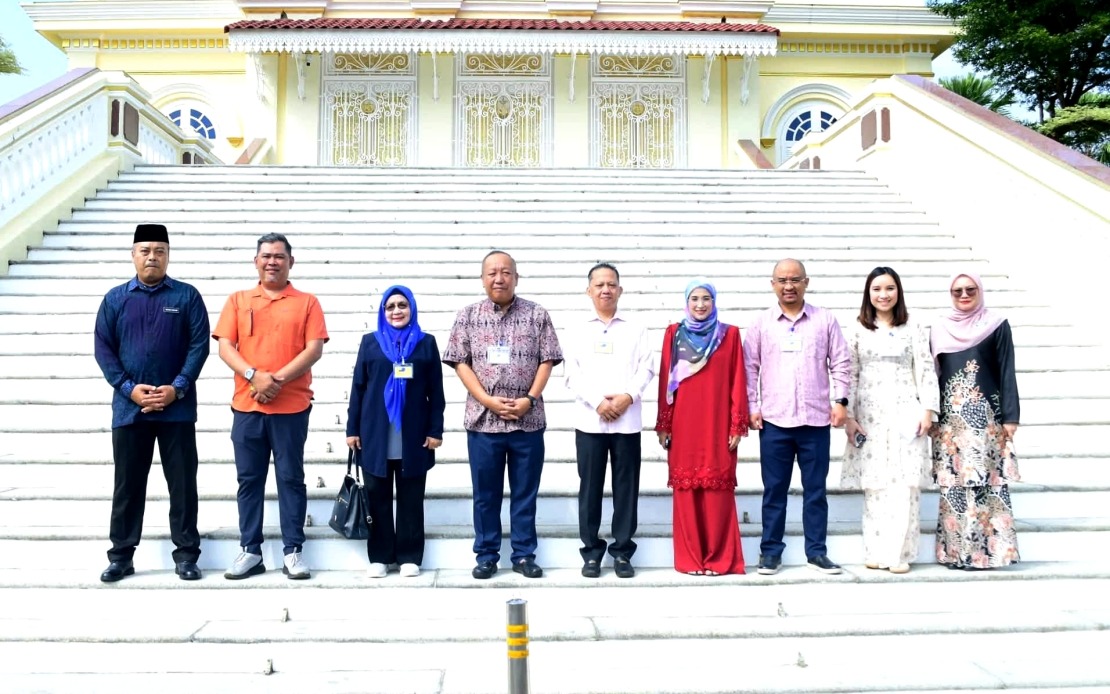
A recent working visit by Sabah's delegation to Johor crystallised the practical dimensions of this partnership. Beyond formal discussions, the Sabah team toured Muzium Diraja Abu Bakar at Istana Besar Johor, embedding themselves in Johor's approach to heritage institution management. This experiential learning component reveals a sophisticated understanding that tourism competitiveness increasingly depends on authentic cultural experiences and expertly preserved historical assets. Malaysia's regional competitors, from Thailand to Indonesia, have long recognised that heritage tourism commands premium pricing and attracts culturally-conscious travellers willing to spend substantially.
Sabah's interest in heritage conservation expertise reflects the state's strategic assessment of its tourism potential. While Sabah possesses considerable natural attractions and indigenous cultural assets, systematic preservation and professional curation of historical resources remain developmental areas. By studying Johor's methodologies in museum management and historical asset protection, Sabah can accelerate its own institutional capacity building. This transfer of best practices represents a form of intangible knowledge sharing that costs little but yields substantial returns in destination authenticity and visitor satisfaction.
The cultural sector represents one of Sabah's identified economic pillars for international tourism development. However, cultural tourism requires more than mere access to historical sites; it demands professional interpretation, preservation standards that meet international expectations, and integrated narratives that help visitors understand the significance of what they encounter. Johor's established heritage institutions provide practical case studies from which Sabah can extract lessons applicable to its own context, whether in conservation technology, visitor engagement strategies, or institutional governance.
For Johor, this partnership acknowledges that tourism is increasingly competitive and benefits from regional networks rather than provincial isolation. Johor's mature tourism sector, developed over decades, gains fresh market opportunities through cross-promotion with Sabah. More subtly, the collaboration positions Johor as a knowledge leader in Southeast Asia's heritage tourism space, elevating its soft power regionally and potentially attracting specialist tourism educators and heritage professionals. The museum tour itself becomes a diplomatic exercise, demonstrating institutional sophistication and quality.
The timing of this initiative carries significance within Malaysia's broader tourism recovery trajectory. Post-pandemic, international arrivals have rebounded, but competition for these visitors intensifies. Southeast Asian destinations increasingly market themselves as integrated regions rather than isolated countries. A Sabah-Johor corridor, properly developed, could appeal to itineraries encompassing multiple states and experiences. For Malaysian tourism authorities, state-level cooperation models offer a scalable template for creating multi-destination value propositions that enhance the nation's overall competitiveness against Thailand's well-integrated regional tourism network or Indonesia's archipelago-wide offerings.
Datuk Jafry Ariffin's expressed confidence in the partnership reflects institutional optimism grounded in practical outcomes. The cooperation demonstrates that Malaysia's states, rather than operating as tourism competitors, can function as complementary nodes within an integrated national system. Visitor numbers to Sabah derive not only from tourists specifically seeking Sabah's attractions but increasingly from regional packages that distribute spending across multiple destinations. Better coordination with Johor positions Sabah within such frameworks more strategically.
The emphasis on economic growth outcomes reflects Malaysia's understanding that tourism constitutes a significant foreign exchange earner and employment generator, particularly in states with limited manufacturing or agricultural sectors. Sabah's geographic position as the gateway to East Malaysia also creates opportunities for tourism to drive broader economic integration within the nation. Improved visitor flows translate into infrastructure development, service sector employment, and downstream economic activity benefiting small businesses.
Looking forward, the Sabah-Johor framework could become a model for other interstate tourism partnerships within Malaysia. If properly implemented with measurable targets and sustained institutional commitment, the collaboration might demonstrate that competitive pressures can drive cooperation rather than isolation. Such outcomes would enhance Malaysia's collective tourism brand and create employment opportunities distributed across multiple regions rather than concentrated in established hubs like Kuala Lumpur.

