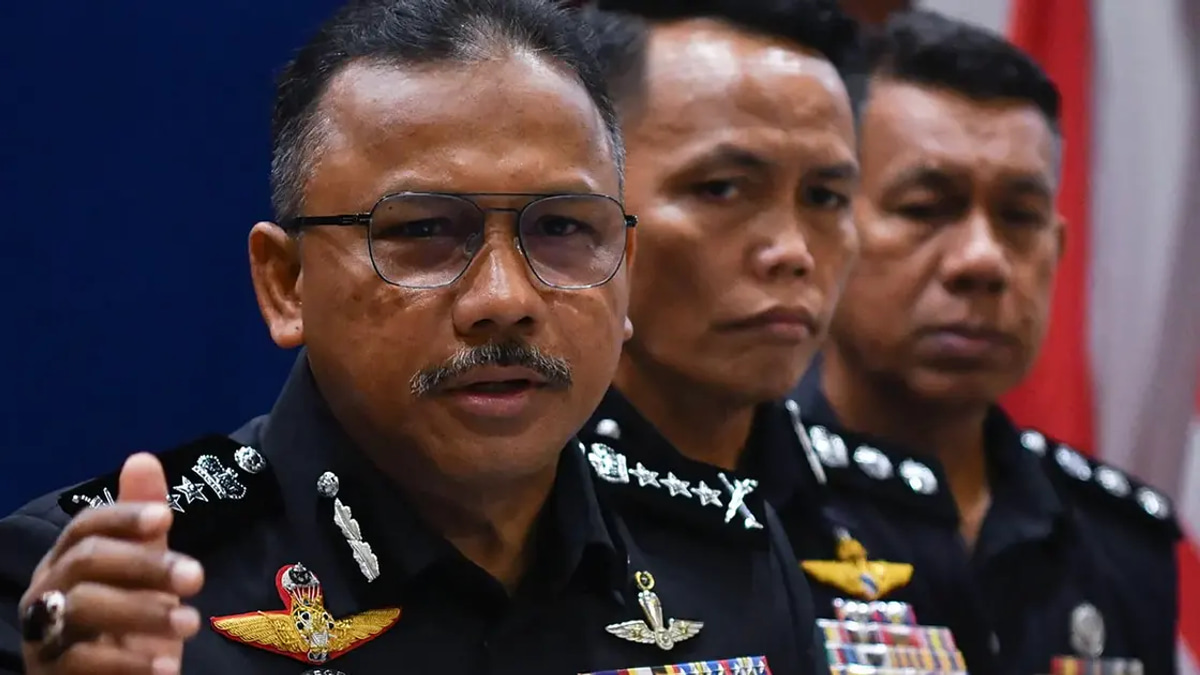
Caretaker Johor Menteri Besar Datuk Onn Hafiz Ghazi has made clear that feedback from the Palace will function as a yardstick to measure the state administration's effectiveness, not as grounds for settling into contentment. Speaking in Johor Baru, the outgoing chief executive distinguished between merely receiving royal counsel and actively deploying it as a framework for institutional improvement, signalling a commitment to continuous advancement rather than static governance.
The distinction drawn by Onn Hafiz reflects a broader understanding that royal institutions in Malaysia carry moral and symbolic weight extending beyond ceremonial duties. When the Johor Sultan or other members of the royal household offer guidance on state matters, it carries expectations of serious implementation. By positioning such advice as a performance benchmark, the caretaker menteri besar is essentially accepting accountability to both the Palace and the public for translating royal observations into tangible policy outcomes.
This framing becomes particularly significant in the context of Johor's political trajectory. The state has long occupied a prominent position in Malaysian politics, and its governance standards often influence perceptions of administrative competence across the country. A menteri besar who interprets royal guidance as a catalyst for improvement rather than a tick-box exercise demonstrates institutional maturity and respect for traditional authority structures that remain valued in the Malaysian political system.
The risk of complacency that Onn Hafiz explicitly rejected is a genuine concern in any administration that receives royal endorsement or encouragement. Officials might interpret favourable feedback as permission to maintain existing practices without deeper examination or reform. By actively warning against this pitfall, the caretaker leader is setting expectations for his administration and, potentially, for successors who will lead Johor following the forthcoming electoral cycle. The message suggests that royal approval should energise rather than pacify governmental efforts.
For Malaysian audiences tracking governance developments in major states, this statement carries broader implications about administrative standards. Johor's approach to implementing royal guidance could establish a template that other state governments observe and potentially emulate. In a federal system where states retain considerable autonomy over local affairs, how individual menteri besar interpret and act upon royal advice helps shape the overall quality of public administration across the nation.
The timing of this declaration, made while Onn Hafiz serves in a caretaker capacity, adds interpretive layers. A caretaker administration typically operates with limited authority to initiate major new policies, yet the outgoing menteri besar is staking a position on how institutional accountability should function. This suggests that the principle he articulates is intended to outlast his tenure, potentially influencing how the incoming administration approaches its relationship with the Palace and the expectations that flow from royal engagement.
Royal institutions in Malaysia maintain significant influence over state governance through their constitutional roles and cultural standing. The Sultan of Johor, like other Malay Rulers, possesses formal powers and informal authority that can substantially affect how policies are shaped and implemented. When palace communications address governmental performance, they deserve serious engagement rather than perfunctory acknowledgement. Onn Hafiz's emphasis on treating such guidance as a performance standard acknowledges this reality while simultaneously asserting that the government retains agency in determining how best to translate royal concerns into concrete action.
The caretaker menteri besar's stance also reflects awareness of public expectations regarding accountability. Johor residents and Malaysian citizens more broadly increasingly expect their elected representatives to demonstrate responsiveness to all forms of legitimate feedback, including guidance from constitutionally mandated institutions. By committing to use royal advice as a benchmark, Onn Hafiz is signalling willingness to submit to external scrutiny and to let institutional performance be evaluated against standards derived from multiple sources of authority and expertise.
Looking forward, this positioning may influence how incoming administrations approach governance in Johor. If the caretaker menteri besar's philosophy gains traction, future state governments might institutionalise processes for systematic review of royal communications and integration of palace-derived insights into policy development cycles. Such mechanisms could enhance overall governance quality while simultaneously strengthening the constructive dialogue between elected officials and hereditary institutions that has historically characterised Malaysian political culture.
The distinction between treating royal guidance as merely ceremonial acknowledgment versus embedding it as a genuine performance metric reflects evolving expectations about how Malaysia's hybrid governance system should function. As Johor moves toward new elections and transition to an elected administration, the principles articulated by the caretaker menteri besar provide a framework for understanding how respect for tradition can coexist with dynamic, improvement-focused governance. This approach ultimately serves both institutional continuity and the practical interests of Johor residents who depend on effective state administration.
%22%2F%3E%3C%2Fpattern%3E%3C%2Fdefs%3E%3Crect%20width%3D%22100%25%22%20height%3D%22100%25%22%20fill%3D%22url(%23ph1w57lg)%22%2F%3E%3Crect%20width%3D%22100%25%22%20height%3D%22100%25%22%20fill%3D%22url(%23ph1w57lp)%22%2F%3E%3Ctext%20x%3D%2250%25%22%20y%3D%2250%25%22%20text-anchor%3D%22middle%22%20dominant-baseline%3D%22central%22%20fill%3D%22rgba(255%2C255%2C255%2C0.95)%22%20font-family%3D%22Georgia%2C%20'Times%20New%20Roman'%2C%20serif%22%20font-weight%3D%22700%22%20font-size%3D%22136%22%20letter-spacing%3D%22-0.02em%22%3ETerengganu%3C%2Ftext%3E%3C%2Fsvg%3E)