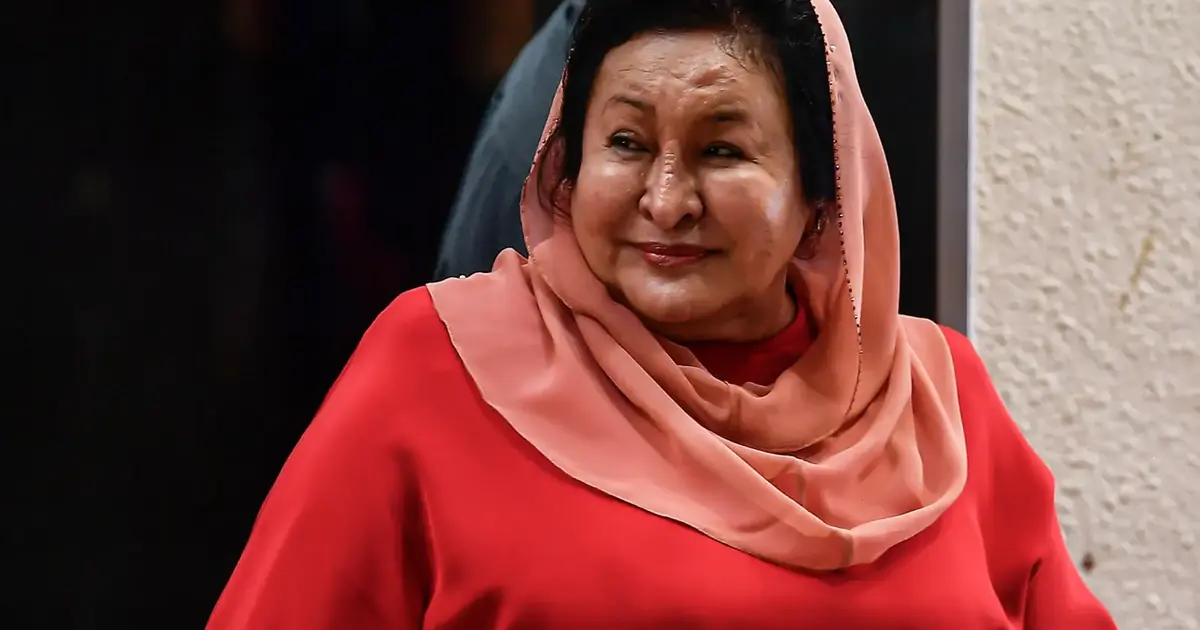
Former prime minister's wife Rosmah Mansor has filed an application to present additional evidence as part of her appeal against her conviction in the solar hybrid project corruption case, marking a significant development in what has become one of Malaysia's most closely watched legal proceedings. Her legal team contends that a key prosecution witness, Rayyan Radzwill Abdullah, was subjected to pressure and coercion when providing testimony that was damaging to her defence during the original trial.
The allegation of witness intimidation represents a serious challenge to the integrity of the prosecution's case. Under Malaysian law, any evidence suggesting that witnesses were improperly influenced or threatened during judicial proceedings can form legitimate grounds for appeal, as the fundamental right to a fair trial depends upon voluntary and uncorrupted testimony. If Rosmah's legal representatives can demonstrate systematic pressure was applied to Rayyan Radzwill Abdullah, it could potentially undermine the credibility of the entire prosecution narrative that led to her conviction.
The solar hybrid project case has attracted intense public attention because it touches on questions of high-level corruption during Malaysia's previous administration. The RM1.25 billion project represents one of the largest-scale allegations of financial impropriety in Malaysian politics, carrying broader implications about governance standards and the independence of the justice system. The case also carries significant weight in how Malaysia is perceived internationally regarding its commitment to combating corruption, particularly given the country's ongoing efforts to restore confidence in its institutions.
Rosmah's appeal strategy appears to focus on attacking the reliability and authenticity of the prosecution's evidence gathering methods rather than contesting the factual allegations themselves. This approach suggests her legal team believes the most viable path to overturning her conviction lies in demonstrating procedural irregularities or witness misconduct, rather than simply claiming her innocence. Such tactics are not uncommon in high-profile cases where the prosecution's case appears strong on the surface but may have vulnerabilities in how evidence was obtained and presented.
The issue of witness pressure is particularly sensitive within Malaysia's legal context, where past cases have raised concerns about the treatment of witnesses in complex corruption investigations. The distinction between legitimate investigative pressure and improper coercion remains a grey area that courts must carefully navigate. If the judge determines that Rayyan Radzwill Abdullah's testimony was compromised, it could affect not only Rosmah's case but also set important precedents for how future corruption trials handle witness testimony.
The timing of this application also carries significance. Legal experts monitoring the case note that the introduction of fresh evidence at the appellate stage requires demonstrating that such evidence was not available during the original trial or that it could not have been discovered through reasonable diligence. Rosmah's legal team must therefore establish why these questions about witness coercion were not properly raised or investigated during the earlier proceedings, which adds another layer of complexity to her appeal.
For Malaysia's justice system, this appeal raises broader questions about the mechanisms available to ensure fair trials and the standards of evidence required to support convictions in high-profile cases. The case occurs within a context where Malaysian courts have been working to rebuild public confidence following various allegations about the impartiality of the judiciary during the previous administration. How the appellate court handles Rosmah's application will likely influence public perception of whether the courts are genuinely independent and whether they properly scrutinise prosecution evidence.
The prosecution's response to these allegations will be equally important. Prosecutors will need to demonstrate that no improper pressure was applied to witnesses, or alternatively, explain why any pressure that occurred was part of legitimate investigative procedures. This could involve producing communications, witness statements, and investigative reports that establish the voluntary nature of Rayyan Radzwill Abdullah's cooperation with authorities.
Regionally, this case continues to attract attention from observers interested in how Southeast Asian democracies handle corruption investigations involving high-ranking officials and their families. The appeal process reflects both the strengths of Malaysia's legal institutions in allowing convicted persons substantial appellate opportunities and the complexities that arise when political figures challenge convictions. The outcome could have implications for how other regional governments approach similar high-level corruption cases.
Legal analysts emphasise that appellate courts must balance two competing interests: allowing defendants sufficient opportunity to challenge convictions based on new evidence or procedural irregularities, while also maintaining finality in judicial proceedings and respecting the original trial process. This balancing act is never straightforward, particularly in cases involving former government figures where political pressures inevitably surround judicial decisions.
The next phase will involve the appellate court reviewing Rosmah's application and determining whether the evidence she seeks to introduce meets the legal standards required for admission at the appellate stage. This preliminary decision will likely shape the broader trajectory of her appeal, determining whether the court will substantially revisit the original trial evidence or whether it will focus narrowly on the specific new material presented. Either path could significantly extend the legal proceedings, which have already stretched across multiple years and consumed substantial judicial resources.

