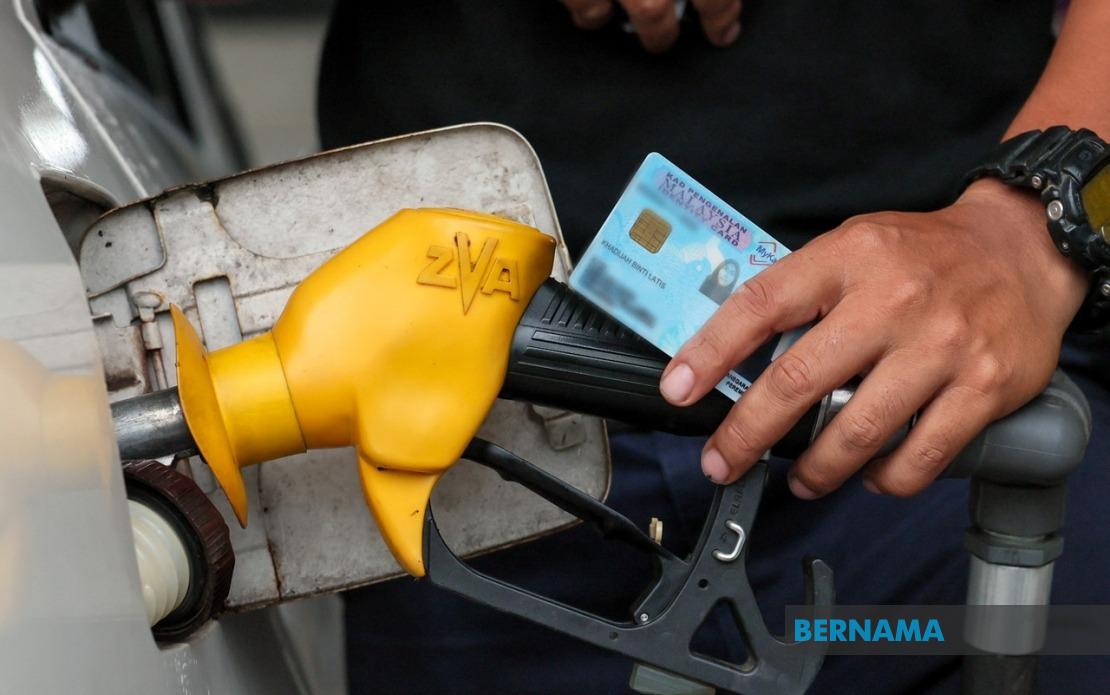
Prime Minister Datuk Seri Anwar Ibrahim announced on National Day that Malaysia will restore the BUDI MADANI RON95 (BUDI95) subsidy quota to 300 litres per month, reversing the reduction to 200 litres that had been in place. The restoration, effective from September 1, will benefit more than 16 million users of the subsidised RON95 fuel programme. Additionally, more than half a million owners of eligible diesel-powered pickup trucks and jeeps will receive up to 400 litres of BUDI Diesel monthly, providing substantial relief across both transport categories.
The decision reflects a recalibration of the government's approach to fuel subsidies as global energy market conditions have stabilised and geopolitical pressures have eased. Rather than signalling an expansion of fiscal capacity, the restoration represents a pragmatic assessment of how subsidy levels should respond to changing circumstances. Economists note that the previous reduction had been implemented during a period of considerable uncertainty in global energy markets, when protecting government finances was deemed essential. With market dynamics shifting, policymakers have determined that the additional allocation is now sustainable while maintaining fiscal discipline.
For lower and middle-income households—the B40 and M40 groups—the additional 100 litres monthly carries particular significance. Herniza Roxanne Marcus, an economics lecturer at Universiti Teknologi MARA's Sabah branch, emphasises that fuel costs constitute a substantially larger portion of disposable income for these groups compared to wealthier households. The expanded quota provides meaningful flexibility in how families budget their monthly expenditures, particularly those living in areas with limited public transport infrastructure where private vehicle use is not optional but essential for work, education and accessing services.
Sabah exemplifies regions where this relief matters most. Travel distances are considerable across the state, and public transport coverage remains sparse in many locations. For rural and semi-rural populations, a personal vehicle often represents the only practical way to commute to employment or access government services. The difference between a 200-litre and 300-litre monthly allowance translates into tangible dollars saved, funds that households can redirect toward food security, children's education, or healthcare expenses. This reallocation effect, while indirect, influences overall household resilience during periods of economic adjustment.
The economic impact extends beyond the immediate relief to individual households. When fuel subsidies increase, the reduction in transportation pressure prevents cost escalation in logistics and goods movement, which in turn helps contain inflationary pressures in other sectors. Fresh produce prices, retail goods delivery costs, and service provider fees all reflect transportation expenses in their final pricing. By moderating fuel costs through expanded subsidies, the government creates a stabilising effect across the broader economy, particularly benefiting consumers in lower income brackets who spend greater proportions of income on essentials.
However, Marcus cautions against interpreting this decision as indicating dramatic improvement in the government's fiscal position. The subsidy system remains a significant budgetary commitment, and the restoration represents a careful balance between fiscal sustainability and social welfare protection. Policymakers have assessed current energy consumption patterns, production costs, and household needs, determining that this allocation level is achievable without compromising long-term fiscal stability. The move demonstrates flexibility in policy calibration rather than a fundamental shift in government finances.
Practical examples illustrate the tangible impact for working individuals. Rozainah Abdul Rahim, a 36-year-old journalist, previously found the 200-litre quota inadequate for her professional requirements. Her work demands daily vehicle use for news coverage assignments, combined with weekly travel between Port Dickson, Negeri Sembilan and Kuala Lumpur for family obligations. Under the previous allocation, she regularly exhausted her monthly quota and faced unexpected fuel costs. The expansion to 300 litres provides genuine relief from this financial pressure, allowing her budget to function as intended without surplus out-of-pocket expenses.
The timing of this announcement carries political and economic implications. Implementation beginning September 1 provides households with improved purchasing power as they navigate the final quarter of 2026. The decision demonstrates the government's responsiveness to cost-of-living concerns that have dominated public discourse, particularly among working and middle-class Malaysians who feel squeezed by various economic pressures. By acting on fuel subsidies—a visible and directly felt benefit—the administration addresses one tangible element of the affordability crisis many households experience.
The expansion of diesel subsidies for pickup truck and jeep owners addresses a distinct constituency, primarily entrepreneurs, small traders, and agricultural operators who depend on these vehicles for income-generating activities. This 400-litre monthly allocation supports a productive segment of the economy that has faced similar cost pressures. Agricultural productivity, small-scale commerce, and rural enterprise development all benefit when fuel costs become more predictable and manageable for this user base.
Analysts emphasise that while this subsidy boost provides meaningful relief, it does not constitute a comprehensive solution to affordability challenges. Rather, it functions as one policy tool within a broader approach to protecting household purchasing power. The government must continue addressing underlying cost drivers—housing, utilities, education, healthcare—through complementary policies and structural reforms. The fuel subsidy expansion purchases time and relief but cannot alone resolve deeper economic structural issues affecting income adequacy for lower-income Malaysians.
Regionally, Malaysia's decision to expand fuel subsidies warrants attention from other Southeast Asian economies facing similar cost-of-living pressures. The approach of adjusting subsidy levels based on changing market conditions and household circumstances may offer lessons for regional policymakers navigating the tension between fiscal responsibility and social protection. How effectively Malaysia's expanded quotas translate into measurable improvements in household financial stability over coming months will inform regional discussions about subsidy policy design and implementation.
The restoration also reflects lessons learned from the previous reduction period. Data on consumption patterns, inflation effects, and household expenditure changes accumulated during those months evidently informed the decision to return to higher allocation levels. This evidence-based policy adjustment suggests that government agencies are monitoring subsidy programme impacts systematically, creating the foundation for more responsive policy design going forward. Moving forward, the question becomes whether this allocation level will prove sustainable as global energy markets and Malaysia's fiscal position continue evolving.

