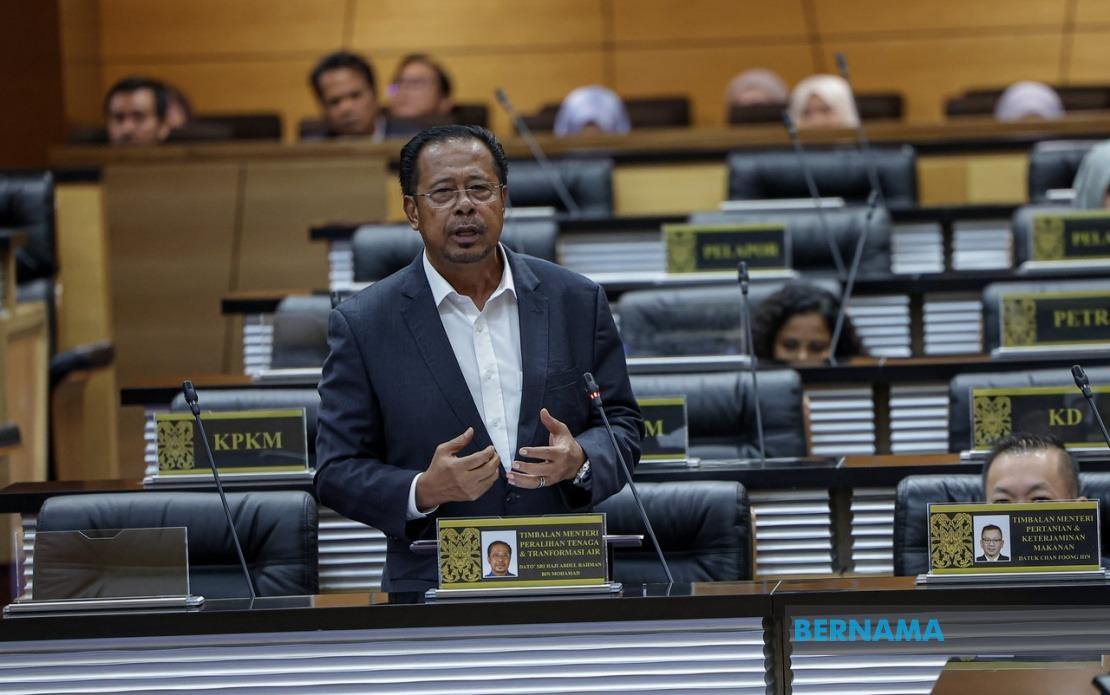
Malaysia's infrastructure push to tackle chronic flooding in Johor has entered a critical planning phase, with the RM99.8 million Integrated River Basin Development (PLSB) initiative for Sungai Skudai positioned to deliver tangible benefits to approximately 15,000 residents upon completion. Deputy Minister of Energy Transition and Water Transformation Datuk Seri Abdul Rahman Mohamad outlined the project's scope and timeline to parliament on June 30, confirming that the initiative, funded under the 12th Malaysia Plan, would simultaneously address flood mitigation, ecosystem restoration, and livelihood support across the affected river basin.
The Sungai Skudai project represents a comprehensive approach to river management that extends far beyond simple flood barriers. Rather than treating symptoms in isolation, the development plan targets the fundamental capacity constraints that make the 46-kilometre waterway vulnerable to overflow during heavy rainfall. Bank strengthening works will form the backbone of the intervention, while strategic widening of select sections to approximately 15 metres will substantially increase the river's ability to channel water safely towards the sea. This combination of structural reinforcement and hydraulic optimisation reflects lessons learned from previous flood events across Southeast Asia, where undersized or poorly maintained waterways have repeatedly overwhelmed surrounding communities.
The project timeline reveals a methodical progression through essential preparatory stages before heavy machinery arrives at construction sites. A consultant appointed in May 2025 is currently developing the comprehensive concept report that will guide all subsequent work. Simultaneously, survey operations that commenced in November 2025 are tracking towards completion by May 2027, providing engineers with precise topographical and hydrological data necessary for design refinement. The land acquisition process, which began in June 2026, faces an August 2027 deadline, a realistic timeframe that acknowledges the administrative complexities inherent in acquiring riverfront properties from multiple stakeholders. Only after these technical and administrative prerequisites are satisfied will procurement processes commence, with physical construction anticipated to begin in mid-2027.
The immediate flood protection benefits are particularly significant for residents in hotspot areas along the river corridor. Ministry officials have identified approximately 50 distinct flood-prone locations, with five concentrated in the Kulai district, each representing past incidents where inadequate drainage capacity overwhelmed local infrastructure. By addressing these specific vulnerability points through the main project, authorities expect measurable reductions in flood frequency and severity. The timing of this intervention is increasingly urgent, as Southeast Asian climate patterns show intensifying rainfall events that exceed the capacity of aging water management systems designed decades ago for different precipitation patterns.
Beyond flood control, the project incorporates ecological and economic dimensions that reflect contemporary understanding of river management. River ecosystem restoration forms a core objective, acknowledging that decades of development and human use have degraded water quality and destroyed natural habitats. These ecological improvements directly support local fishermen and communities dependent on healthy aquatic resources. Enhanced navigability throughout the river system will facilitate traditional transportation routes and maritime activities, while improved operational capabilities for security and emergency management agencies will strengthen rapid response to any incidents occurring along the waterway.
Anticipating potential implementation delays, the ministry has already deployed interim measures through six small-scale projects collectively valued at approximately RM700,000. These stopgap initiatives address the most pressing flood hotspots while the comprehensive main project moves through its lengthy development phase, demonstrating a pragmatic commitment to providing incremental protection during the waiting period. Such intermediate interventions have proven effective in other Malaysian states, buying time for residents while deeper solutions proceed through planning and financing stages.
The broader context of infrastructure development in Johor underscores Malaysia's strategic focus on water security and flood resilience. Johor, as the nation's southernmost peninsular state, faces particular vulnerability to monsoonal patterns and coastal flood risks. The Sungai Skudai project joins an expanding portfolio of water management initiatives across the country, reflecting federal recognition that uncontrolled flooding undermines economic productivity, threatens lives, and strains emergency services. Investment at this scale signals serious governmental commitment to transforming reactive disaster response into proactive risk reduction.
Parallel developments in the region demonstrate complementary infrastructure ambitions. The Ministry of Works simultaneously announced progress on the RM174.53 million Phase Three upgrading of the Pasir Gudang Highway (FT17), with Minister Datuk Seri Alexander Nanta Linggi confirming that implementation would proceed without requiring land acquisition from Keretapi Tanah Melayu Berhad (KTMB). Instead, work permits and right-of-way approvals from the railway operator will govern construction activities in proximity to railway infrastructure. This collaborative approach avoids the protracted negotiations and potential legal complications that land acquisition from state-owned enterprises can entail, enabling scheduled works near railway tracks between February 2027 and December 2028.
The Sungai Skudai project's benefits extend beyond immediate flood protection to encompass broader economic implications for Johor's development trajectory. Enhanced flood resilience increases property values, attracts industrial investment, and reduces insurance premiums for businesses operating in previously vulnerable zones. When 15,000 residents and 50 hectares of surrounding land achieve improved protection from seasonal inundation, the downstream economic activity becomes more predictable and resilient. Supply chains dependent on reliable road access and functioning port facilities benefit from reduced disruption, while agricultural and aquacultural operations gain confidence in production planning.
For Malaysian and Southeast Asian policymakers, the Sungai Skudai initiative offers instructive lessons in scaling flood mitigation across diverse geography and institutional frameworks. The project's integration of hard infrastructure (bank reinforcement, channel widening), soft measures (ecosystem restoration, livelihood support), and administrative coordination (land acquisition, contractor management) reflects a matured approach to water management that acknowledges flooding's multidimensional causes and consequences. As climate patterns intensify across the region, similar comprehensive basin-wide development projects will become increasingly common, making the planning rigour and stakeholder engagement demonstrated here valuable reference points for neighbouring countries wrestling with comparable challenges.
Deputy Minister Abdul Rahman's parliamentary response to Suhaizan Kaiat (PH-Pulai) regarding the project's short-, medium-, and long-term impacts indicates genuine engagement with flood management complexity. Short-term gains will emerge from interim mitigation projects addressing identified hotspots. Medium-term benefits will materialise as primary construction elements enhance drainage capacity and flow management. Long-term outcomes encompassing ecosystem recovery and sustainable livelihood support will unfold as the river system transitions from merely functional infrastructure to a genuinely integrated natural resource serving ecological, economic, and social purposes. This tiered impact framework acknowledges that infrastructure projects operate across multiple timescales, with patience required for full benefits to crystallise.

