The RM38 million Labuan Waterfront Development Project Phase One has undergone a significant restructuring that will see its implementation spread across two distinct geographical zones rather than concentrating solely on the original Victoria Harbour location. This strategic expansion represents a departure from the initial plan presented when the allocation was first announced as part of Budget 2026 by Prime Minister Datuk Seri Anwar Ibrahim in October last year, and reflects evolving considerations about how best to maximise the island's development potential whilst maintaining fiscal prudence.
Under the revised framework now under consideration by the Economy Ministry, the project maintains its urban component at Victoria Harbour Beach, situated at the former wet market site in downtown Labuan. This central location component preserves the original vision of revitalizing the waterfront in the heart of the duty-free island's commercial district. However, rather than expanding this urban development through land reclamation—a process that would have necessitated substantially greater financial investment—planners have opted to create a complementary second phase focused on the Nagalang coastline positioned along the island's periphery.
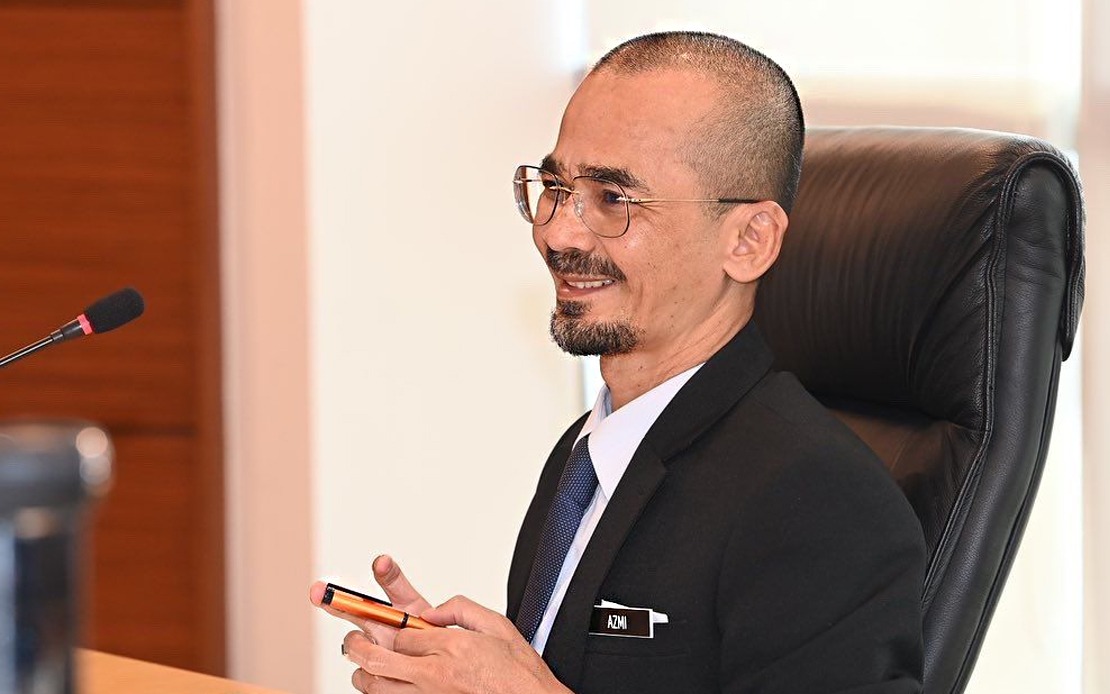
According to Datuk Muhammad Azmi Mohd Zain, Director-General of the Department of Federal Territories, the Nagalang component has been specifically designed to emphasise eco-tourism and recreational development. This thematic distinction acknowledges the different character and potential of the two sites, allowing planners to tailor interventions to local conditions and market opportunities. The Nagalang initiative would leverage the natural coastal environment to create experiences centred on environmental stewardship and leisure activities, thereby attracting a different demographic of visitors whilst supporting broader sustainability objectives for the island.
The decision to bifurcate the project addresses several practical considerations that emerged during the detailed planning phase. Land reclamation—the process of extending shorelines through filling—would have been substantially more costly than the current arrangement, requiring additional budget allocations that were not available within the existing RM38 million envelope. By distributing development across two complementary sites with different development modalities, the authorities have achieved greater versatility in how the investment is deployed. This approach allows the town centre component to proceed with conventional urban waterfront improvements whilst simultaneously opening new territory for nature-based development.
The Victoria Harbour component continues to operate within its original scope and stated objectives, ensuring that stakeholders who anticipated improvements to the downtown waterfront will see those commitments honoured. The absence of reclamation works represents a conscious choice to preserve the existing shoreline character whilst still delivering meaningful enhancements to public access, amenities, and commercial viability in this historically significant location. The former wet market site, which has become vacant urban land, presents an opportunity for productive reactivation without requiring the environmental modifications that reclamation would entail.
The Nagalang expansion introduces an entirely new development vector for Labuan, one oriented toward the burgeoning eco-tourism sector that has gained prominence across Southeast Asia. Federal Territories authorities have recognised that diversifying Labuan's economic base beyond its established roles as a financial centre and duty-free port requires tapping into regional and international travel trends. Eco-tourism development along pristine coastlines has become increasingly attractive to middle-class tourists from across Asia, presenting revenue opportunities for local businesses, employment prospects for residents, and enhanced appeal as a destination.
This two-site approach reflects broader patterns in regional development strategy, where authorities increasingly recognise that concentrating all investment in single locations can create bottlenecks and miss opportunities for spreading benefits. By developing separate but coordinated projects, Labuan can present itself as offering diverse experiences—urban waterfront leisure in the town centre combined with coastal nature-based activities on the periphery. This heterogeneity enhances the island's overall attractiveness to different visitor segments and local users.
The revised proposal has been formally submitted to the Economy Ministry and currently occupies the final decision-making stages within the federal bureaucratic process. This positioning suggests that technical and financial evaluations have been substantially completed, and the remaining steps involve senior ministerial consideration and formal approval. The timing of this submission indicates the project remains on track for eventual implementation, though the precise commencement dates for either component have not been publicly disclosed.
For Malaysian observers of federal development spending, this project exemplifies how initial allocations often evolve through iterative planning processes. The RM38 million commitment announced during Budget 2026 represented a significant investment in Labuan's infrastructure and amenities, reflecting the federal government's continued commitment to developing this unique jurisdiction. The transition from a single-site to a dual-site model demonstrates how planners refine approaches based on technical analysis, cost considerations, and strategic opportunity assessment.
The implications for Labuan extend beyond immediate construction and tourism revenue. By developing both an urban waterfront component and an eco-tourism zone, authorities are positioning the island to appeal to evolving global travel patterns emphasising sustainability and experiential tourism. This dual strategy may also support longer-term aspirations to diversify Labuan's economy and enhance its profile as a destination rather than purely a financial or commercial hub. The project thus represents both immediate infrastructure investment and medium-term positioning within regional tourism and development hierarchies.

