Malaysia's MADANI administration has endorsed a substantial nationwide expansion of mosque infrastructure, committing RM160.82 million across 92 construction initiatives launched since 2023 through mid-year. The ambitious religious facility programme represents a significant portion of government spending on Islamic community infrastructure, with progress already evident across multiple phases of implementation.
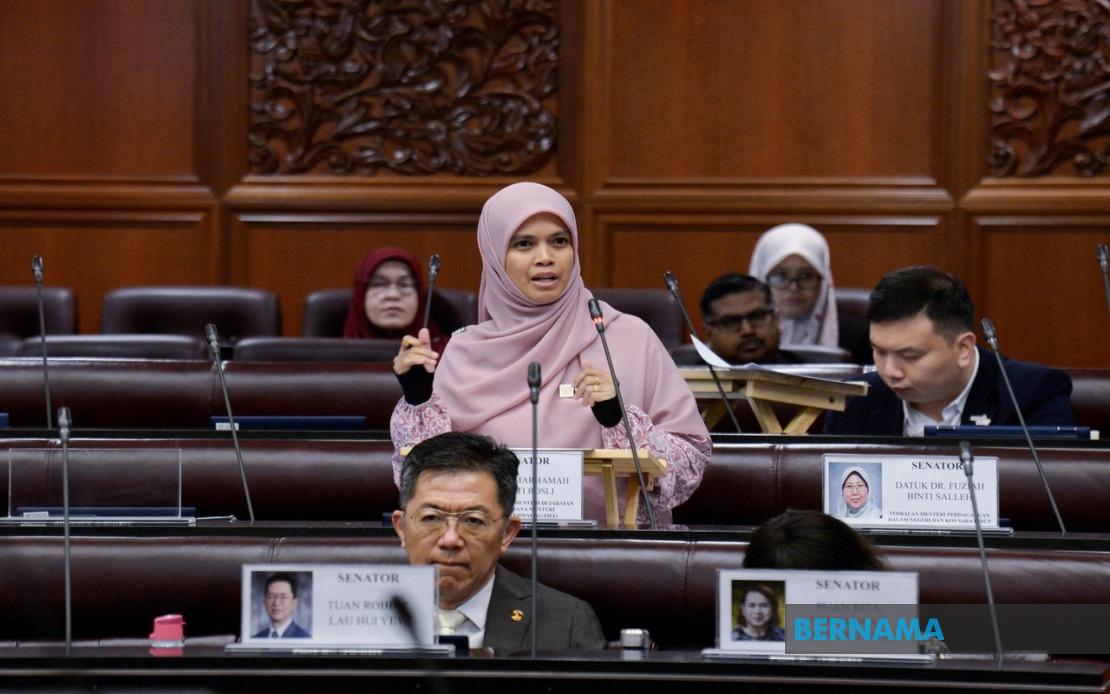
Deputy Minister in the Prime Minister's Department (Religious Affairs) Senator Marhamah Rosli disclosed the scale of the initiative during a Dewan Negara session, providing a comprehensive breakdown of the projects' current status. More than half of the approved schemes—54 in total—have reached completion, demonstrating the administration's capacity to execute religious infrastructure commitments efficiently within a relatively compressed timeframe. The momentum continues with 16 additional facilities actively under construction, indicating sustained investment and workforce deployment throughout the country.
The remaining portfolio of 22 projects occupies earlier development stages, either in pre-implementation phases or navigating procurement frameworks designed to ensure transparency and value-for-money in government spending. This staged approach allows authorities to manage financial disbursement methodically whilst maintaining quality standards across the diverse geographical and logistical requirements of the broader programme.
Marhamah outlined the rigorous criteria guiding site selection and project approval, emphasizing that decisions emerge from systematic engagement with state-level religious authorities. The framework considers demographic pressures, specifically monitoring Muslim population growth and distribution patterns within target areas. Planners evaluate existing mosque capacity and accessibility, ensuring that new facilities genuinely address service gaps rather than creating redundancy. Land suitability assessments, ownership status verification, and confirmation of state government co-financing commitments form integral components of due diligence preceding approval.
This methodical approach reflects recommendations adopted during the 139th Meeting of Menteri Besar and Chief Ministers convened on June 28, 2022, which established shared fiscal responsibility between federal and state governments. The cost-sharing arrangement acknowledges that mosque development benefits from coordinated multi-level governance, distributing financial burden whilst fostering accountability at both governmental tiers. This partnership model potentially strengthens implementation capacity by aligning state and federal interests in ensuring project completion and community integration.
The mosque expansion programme extends beyond physical infrastructure, encompassing broader social welfare dimensions that resonate particularly in Southeast Asian contexts where religious institutions increasingly serve disadvantaged populations. Senator Marhamah emphasized the multifaceted support mechanisms operating through mosque networks, spanning emergency assistance to vulnerable demographic segments including homeless populations, urban poor communities, and low-income households. These initiatives crystallize collaborative frameworks linking the Department of Islamic Development Malaysia (JAKIM), state Islamic religious departments, municipal councils, civil society organizations, and faith-based non-governmental actors.
Welfare programming distributed through mosque channels includes targeted assistance for asnaf categories—religious classifications identifying recipients eligible for zakat distribution—alongside emergency food assistance provisions and community kitchen operations. Such initiatives carry particular significance across Malaysia's urban centres, where rapid economic stratification has widened gaps between affluent and precarious populations. Educational support mechanisms, counselling services, and temporary accommodation facilities extend mosque functions beyond conventional worship and religious instruction toward holistic community welfare provision.
The funeral management services coordinated through mosque networks address cultural and religious observances whilst providing dignified arrangements for families lacking private financial resources. Emergency financial interventions administered through Islamic institutions create safety-net mechanisms for populations experiencing sudden income disruption or catastrophic personal circumstances. These initiatives reflect recognition that religious infrastructure operates most effectively when integrated with comprehensive social policy rather than functioning as isolated worship facilities.
For Malaysian readers, this programme's implications extend across multiple policy dimensions. The commitment to mosque construction responds to documented population growth across expanding suburbs and satellite communities, where worship facility shortages have prompted community complaints in states including Selangor, Johor, and Sabah. The RM160.82 million expenditure represents substantial religious infrastructure investment during an era when government budgetary pressures typically constrain capital development spending. The programme's financing mechanism, distributing costs between federal and state authorities, establishes precedent for collaborative governance arrangements potentially applicable across other infrastructure domains.
Regionally, Malaysia's mosque expansion programme offers comparative insights for Southeast Asian nations navigating similar demographic pressures and urbanization dynamics. Islamic-majority neighbour Brunei and Islamic-minority nations including Indonesia and Thailand maintain distinct mosque development policies reflecting their specific constitutional and social contexts. Malaysia's systematic approach, emphasizing community needs assessment and multi-stakeholder collaboration, demonstrates governance methodologies potentially instructive for regional peers managing religious facility provision amid rapid social change.
The welfare programming dimension acquires particular regional relevance given widespread poverty persistence across Southeast Asia despite aggregate economic growth. Integration of social support mechanisms within religious institutions leverages existing community trust networks and physical infrastructure, potentially improving access to assistance among populations demonstrating limited engagement with formal welfare bureaucracies. This approach recognizes that religious centres occupy unique institutional positions within Muslim-majority societies, commanding legitimacy and accessibility exceeding secular government agencies in many communities.
The MADANI administration's emphasis on evidence-based facility placement, financial transparency, and social functionality suggests a maturation in government thinking regarding religious infrastructure's broader social role. Previous administrations often approached mosque provision primarily through sectarian or political lenses; contemporary framing acknowledges these facilities' potential as nodes within comprehensive community welfare systems. Whether this rhetorical commitment translates into sustained resource allocation and institutional coordination during subsequent budget cycles will provide crucial indicators of policy durability beyond electoral cycles.

