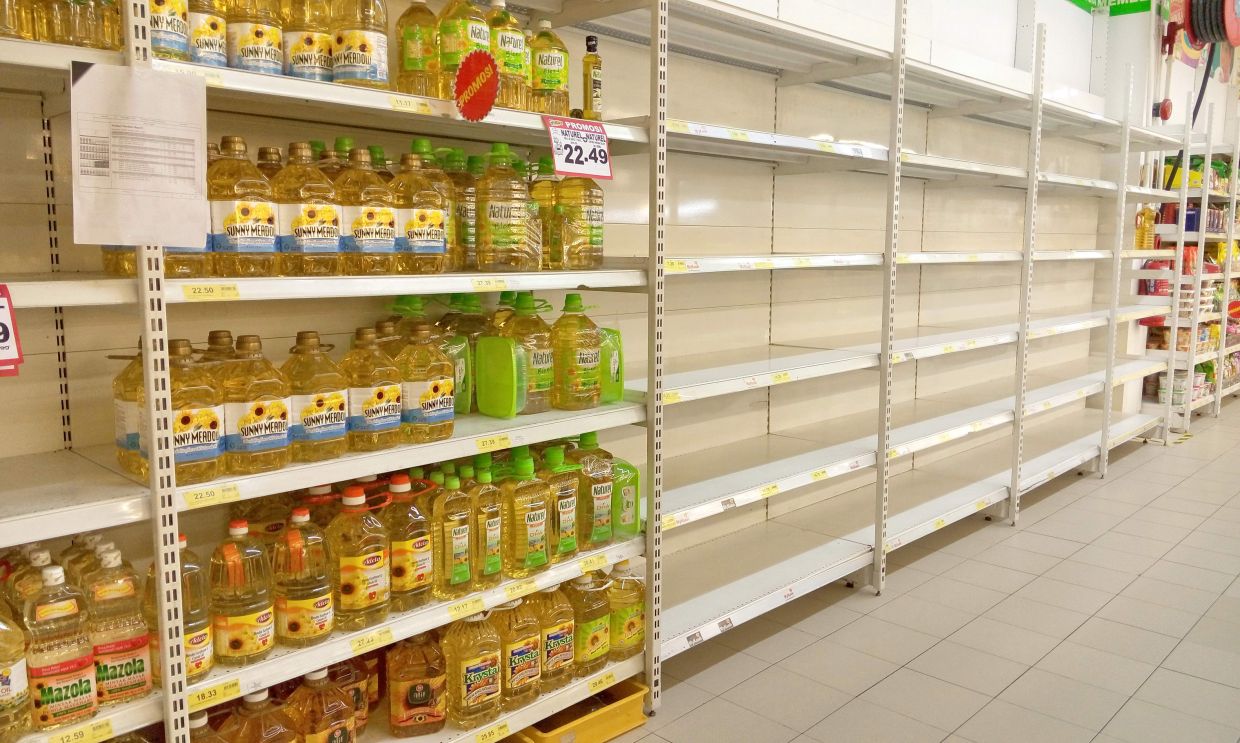
Malaysia's cooking oil subsidy system has haemorrhaged more than RM10.879 billion in the past six years, according to damning findings from the Public Accounts Committee, leaving shelves bare across the nation and raising sharp questions about where the missing funds have gone and who bears responsibility for the collapse in oversight.
The scale of the loss is staggering. Between 2019 and February 2025, nearly RM11 billion allocated to keep cooking oil affordable for ordinary Malaysian households failed to reach intended consumers. Instead, the money appears to have disappeared through leakage, diversion, or systemic inefficiencies that government agencies failed to detect or prevent. The implications are profound: while the government has spent vast sums attempting to cushion consumers from global commodity price shocks, supermarket shelves have remained persistently empty, suggesting the subsidy framework itself has fundamentally broken down.
The government has long positioned subsidy rationalisation and targeted assistance as the cornerstone of its social support strategy. Officials have repeatedly argued that moving away from blanket subsidies towards means-tested programmes ensures public funds reach those who genuinely require help, rather than benefiting higher-income households that can afford market prices. Yet the PAC's revelation exposes a troubling paradox: if the current system is truly more targeted and efficient than its predecessors, how did nearly RM11 billion evaporate from the programme without triggering immediate corrective action?
This question cuts to the heart of institutional accountability. The PAC findings suggest that neither the Ministry of Domestic Trade and Cost of Living, nor the Ministry of Finance, nor the agencies responsible for regulating cooking oil distribution, had adequate mechanisms in place to track subsidy disbursement or identify abnormalities in real time. The absence of early-warning systems allowed the leakage to accumulate over six years, suggesting either catastrophic negligence or deliberate circumvention of oversight protocols that went largely unchallenged.
For Malaysian consumers, the practical consequence has been chronic shortages. Even as government spending on cooking oil subsidies reached unprecedented levels, shoppers faced empty shelves and rationing measures. This disconnect reveals a system where subsidies are distributed to suppliers and producers, yet fail to translate into genuine market availability. The blockage could stem from hoarding by downstream retailers, speculative behaviour by middlemen, or diversions to parallel markets or neighbouring countries where unsubsidised prices command a premium. Without transparent tracking from subsidy disbursement through to retail sale, authorities cannot identify where the system fractures.
Southeast Asian neighbours have grappled with similar subsidy challenges, often with mixed results. Indonesia's experience with fuel and cooking oil subsidies demonstrates how poorly designed programmes can become targets for rent-seeking and diversion, ultimately costing more than they save in consumer welfare. The lesson is uncomfortable: well-intentioned subsidies without robust monitoring mechanisms become vehicles for leakage rather than effective poverty alleviation tools. Malaysia's situation suggests it has not adequately learned these lessons.
The PAC's investigation also raises uncomfortable questions about compliance enforcement. If RM10.879 billion has leaked from the system, it implies either that retailers are selling subsidised cooking oil at unsubsidised prices and pocketing the difference, or that supplies are being diverted to grey markets where they command higher returns. In either case, regulatory agencies tasked with monitoring cooking oil distribution appear to have lacked the capacity, authority, or will to enforce compliance. Spot checks and market inspections evidently did not occur with sufficient frequency or rigour to deter widespread deviation from subsidy protocols.
Politically, the findings create immediate pressure for accountability. The PAC's mandate is to scrutinise public spending, and the scale of this loss demands explanation from the political leadership responsible for overseeing subsidy programmes. Ministers and senior officials must clarify what preventive measures were attempted, why they failed, and what systemic reforms are now underway. Without clear answers, public trust in government claims of fiscal prudence and efficient resource management will continue eroding, particularly among lower-income households who rely most heavily on subsidised essential goods.
The broader policy implications are equally significant. This episode suggests that Malaysia's subsidy architecture requires fundamental redesign rather than marginal adjustments. Policymakers must balance the genuine need to shield vulnerable consumers from commodity price volatility against the fiscal unsustainability of an increasingly leaky programme. One possibility involves shifting from price subsidies to direct cash transfers to eligible recipients, bypassing distribution channels where leakage occurs. Another involves far stricter real-time monitoring of cooking oil flows from subsidy disbursement through to verified retail delivery, leveraging digital tracking systems that several Southeast Asian nations have successfully piloted.
Moving forward, accountability mechanisms must be strengthened. The responsible minister should establish an independent task force to trace the RM10.879 billion, determine whether losses resulted from fraud, mismanagement, or policy design flaws, and recommend prosecutions where criminal conduct is identified. Additionally, future subsidy programmes should incorporate mandatory quarterly audits, real-time supply-chain tracking, and financial penalties for retailers or distributors found diverting subsidised goods. Without such reforms, the risk remains that future subsidy allocations will encounter similar erosion, perpetuating the paradox of rising government expenditure alongside deteriorating consumer access to essential goods.

