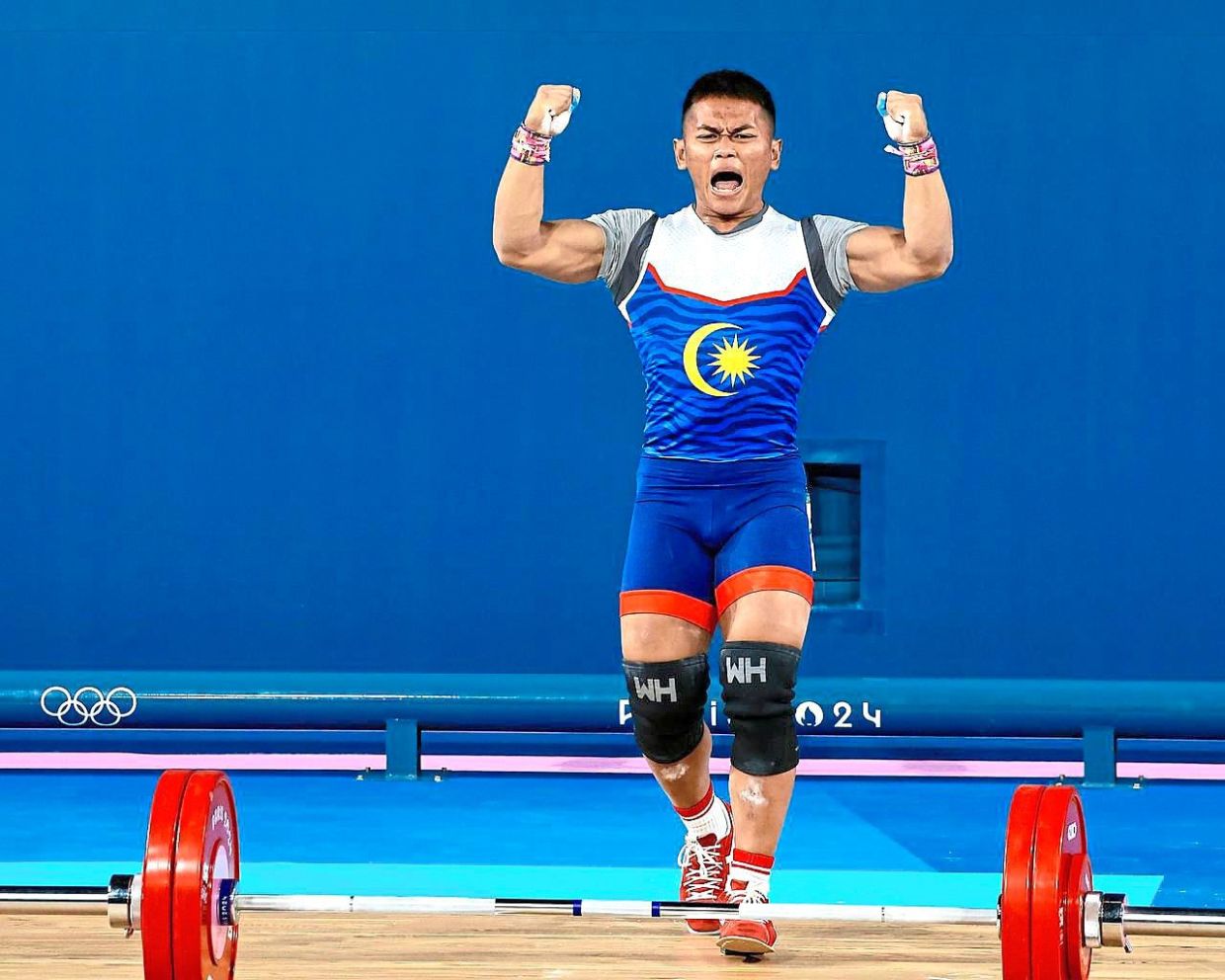
Malaysia's weightlifting programme is set for significant expansion after the sport delivered an exceptional showing at the Glasgow Commonwealth Games last month, prompting the Youth and Sports Ministry to greenlight a RM1 million funding injection aimed at accelerating development across all competitive levels.
Minister Dr Mohd Taufiq Johari announced the boost following consultations with the Malaysian Weightlifting Federation and the National Sports Council, underscoring the government's commitment to establishing weightlifting as a sustainable medal-winning discipline for the nation. The decision reflects a strategic shift towards rewarding demonstrated excellence whilst simultaneously building institutional capacity to sustain future success at international competitions.
The weightlifting contingent's Glasgow performance proved remarkable by any measure. Athletes secured five gold medals, one silver, and one bronze from the Games, positioning weightlifting as Malaysia's single most productive sport during the competition. This dominance stood in sharp contrast to Malaysia's overall medal tally of eight golds, three silvers, and five bronzes, meaning weightlifting athletes alone accounted for more than half the gold medals won by the nation.
Beyond the direct financial allocation, the ministry has committed to comprehensive infrastructure development that addresses long-standing capacity gaps. The Rompin weightlifting training centre, already serving as a key national facility, will undergo significant upgrades as part of a broader vision to transform it into a dedicated Sports Centre of Excellence. This designation typically signals access to world-class coaching, specialised sports science support, and training equipment comparable to international standards.
A particularly noteworthy component of the support package involves the appointment of a dedicated full-time coach to be permanently stationed at Rompin. Dr Taufiq specifically highlighted that this coaching position will prioritise the development of female weightlifters, acknowledging a strategic imperative to build strength in women's categories where Malaysia has demonstrated particular competitive advantage. The focus on female athlete development aligns with global trends in weightlifting where women's categories have become increasingly competitive and medal-rich at major international events.
The National Sports Council has signalled its intention to expand the number of athletes eligible for inclusion in its formal development programme, a decision that will take effect following the conclusion of the Malaysia Games. This expansion represents a meaningful increase in central support and access to government-funded training resources. However, the ministry has stipulated that quota allocation will remain merit-based, with priority extended to athletes demonstrating strong technical aptitude and satisfying established selection benchmarks.
For Malaysian weightlifting, which has historically occupied a niche position within the broader sports ecosystem, this moment represents a potential inflection point. Typically, government support gravitates towards sports with larger participation bases or longer traditions of international success. Weightlifting's Glasgow triumph has evidently shifted perception, demonstrating to policy makers that the discipline possesses both the technical infrastructure and athlete calibre necessary to generate reliable medal returns at Commonwealth and potentially Olympic platforms.
The timing of this investment carries particular significance for Southeast Asia's competitive sporting landscape. Regional rivals including Singapore and Thailand have invested substantially in weightlifting development over recent years, and Malaysia's allocation suggests determination to maintain competitive parity within the region. A well-resourced national programme with improved facilities and dedicated coaching could position Malaysia to challenge for medals at upcoming Asian Games and Commonwealth competitions.
Dr Taufiq's remarks emphasised the government's perspective on sporting investment as long-term institutional development rather than merely celebrating momentary achievements. His characterisation of these measures as building a "stronger weightlifting ecosystem" indicates policy thinking oriented towards sustainable structures capable of producing multiple generations of competitive athletes. This approach typically requires establishing effective talent identification systems, grassroots competition networks, and coaching pipelines that funnel promising young athletes into national programmes.
The Glasgow Games results have also provided weightlifting advocates with powerful evidence to deploy in advocating for institutional recognition and resource allocation. Success at major international competitions generates political capital and public interest that can be leveraged to secure ongoing support. Malaysia's weightlifting federation can now point to recent achievements when negotiating with government agencies or attracting sponsorship partners, strengthening its negotiating position within Malaysia's sports governance structure.
As implementation of these support measures proceeds, attention will turn to whether the injected funding and improved facilities translate into sustained competitive performance. The Rompin facility upgrades and coaching appointments represent necessary but not sufficient conditions for continued success; effective athlete recruitment, injury prevention programmes, and competition scheduling will prove equally important. The Malaysian Weightlifting Federation faces the challenge of converting government goodwill and resources into tangible performance improvements at the next Commonwealth Games and Asian Championships.

