Johor's premier public hospital is undergoing a comprehensive modernisation drive worth RM1.139 billion, with seven interconnected development initiatives designed to substantially enhance both the breadth and quality of its healthcare delivery. The ambitious programme at Sultanah Aminah Hospital reflects the government's commitment to upgrading critical medical infrastructure in the state, addressing capacity constraints that have accumulated as the population and patient load continue to expand.
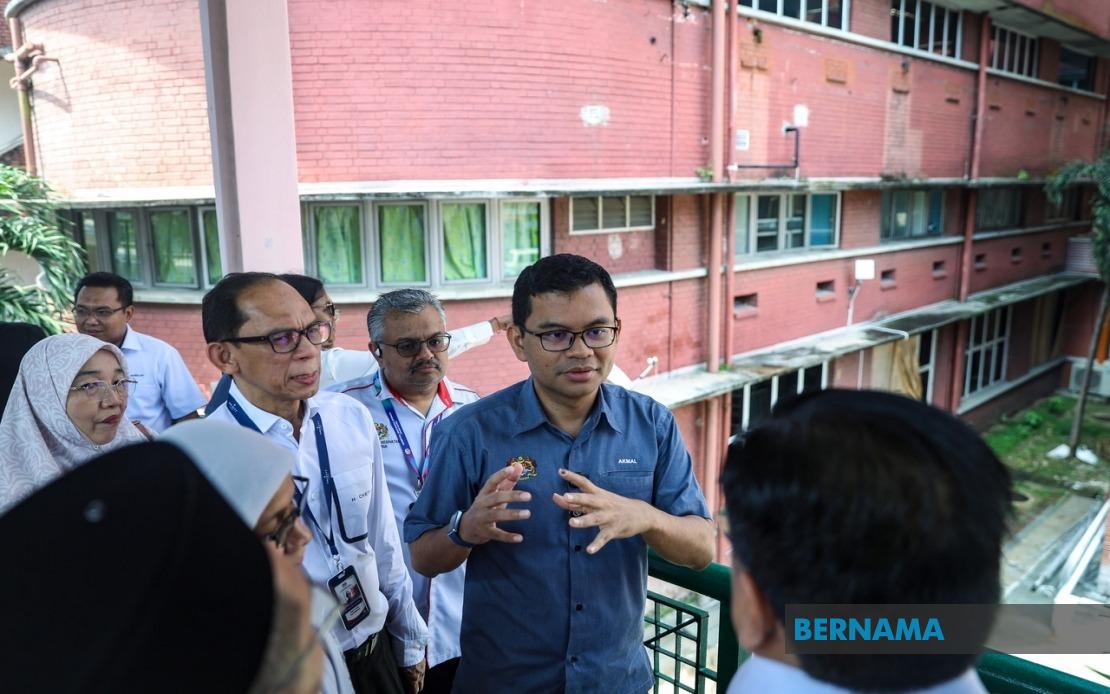
Economy Minister Akmal Nasrullah Mohd Nasir oversaw an inspection of the projects during an official working visit to Johor, underscoring the central government's focus on tracking progress across major regional development initiatives. The minister characterised the endeavour as essential to improving the hospital's operational capabilities and patient experience, positioning the upgrades within a broader framework of healthcare system strengthening across the state.
The electricity infrastructure component represents the foundation of this modernisation effort. Worth RM159 million, the project encompasses a complete overhaul of the hospital's primary power supply alongside all associated electrical and mechanical systems. As of the minister's inspection, physical progress had reached 76.49 per cent, indicating that this critical backbone work is well advanced and on track for completion. Ensuring reliable, redundant electrical systems is fundamental for any modern hospital, where uninterrupted power is non-negotiable for patient safety and continuous operations.
The most substantial and visible transformation will come from the Specialist Clinic Complex, developed across two phases, combined with a new Ambulatory Care Centre and integrated multi-storey parking facility. These three interconnected projects carry a combined valuation of RM877.54 million and represent the centrepiece of the hospital's capacity expansion. The specialist clinics will allow Sultanah Aminah to consolidate and expand its outpatient services, reducing overcrowding and improving patient flow through dedicated consultation and diagnostic spaces. The appointment of contractors for this major component is targeted for February of the following year, indicating that detailed design and tender processes are advancing steadily.
The Day Care Centre component addresses an often-overlooked but critical gap in hospital infrastructure. Providing dedicated facilities for patients requiring short-term, non-overnight medical attention frees up acute ward beds for more seriously ill patients and creates a more appropriate setting for routine procedures and monitoring. The integrated multi-storey parking facility reflects recognition that a modern hospital must address logistical challenges facing patients and visitors, a consideration that has become increasingly important as Malaysian urban areas experience traffic congestion.
Operating theatre capacity expansion forms another key pillar of the improvement strategy. The hospital currently operates twelve operating rooms, a figure deemed insufficient for the surgical demand it faces. The development programme will add three new operating theatres, raising total capacity to fifteen. This represents a 25 per cent increase in surgical throughput capability, allowing the hospital to reduce waiting lists for elective procedures and respond more flexibly to emergency surgical cases. Given that operating theatre time is one of the most expensive and contested resources in any hospital, this expansion has far-reaching implications for surgical case scheduling and patient access.
Implementing such extensive works within an operational hospital presents considerable logistical and operational challenges. The minister acknowledged that carefully managing the construction timeline remains a priority challenge, as disruption to ongoing patient services must be minimised. Hospital development in busy facilities typically requires phased construction, careful coordination between contractors and hospital management, and sometimes temporary relocation of services or departments. The varied timelines across the seven projects suggest that careful sequencing has been planned to manage this complexity.
Broader context reveals that these Johor investments form part of a much larger regional development programme. Since the year 2000 through the current year, a total of 613 development projects and programmes valued at RM56.12 billion have been implemented across Johor state. This portfolio comprises 154 wholly new projects alongside 459 extension or enhancement initiatives, demonstrating sustained commitment to regional infrastructure. The sheer scale indicates that healthcare facility development sits within a comprehensive approach to modernising Johor's public infrastructure across multiple sectors.
Budget execution rates offer insights into implementation momentum. Through late July of the current year, approximately RM2.5 billion had been expended from an annual allocation of RM4.95 billion, representing 50.51 per cent utilisation at that point in the fiscal year. This suggests reasonably healthy progress in project implementation, though the typical acceleration of spending in the final months of the financial year means the final execution rate may climb significantly higher. Consistent budget utilisation indicates that implementation capacity exists and that projects are advancing rather than remaining stalled.
For Malaysian healthcare stakeholders and patients in Johor, these investments signal recognition that public hospital infrastructure requires periodic substantial renewal to maintain service standards and expand capacity in step with population growth. Sultanah Aminah Hospital serves not only Johor Bahru's immediate urban population but also draws patients from across the southern region seeking specialist services. The upgrade programme therefore has implications beyond Johor, as improved capacity at a major public hospital reduces pressure on other regional facilities and potentially improves service accessibility across the southern zone.
The timeline extending into the following year for contractor appointments and subsequent construction suggests that full realisation of these benefits will unfold over a multi-year period. Patients and referring physicians should anticipate a gradual but sustained improvement in available services and facilities as each project component reaches completion. The minister's emphasis on smooth completion reflects awareness that healthcare infrastructure projects, especially those involving operating theatres and critical systems, generate high expectations and scrutiny from medical professionals and the public.

