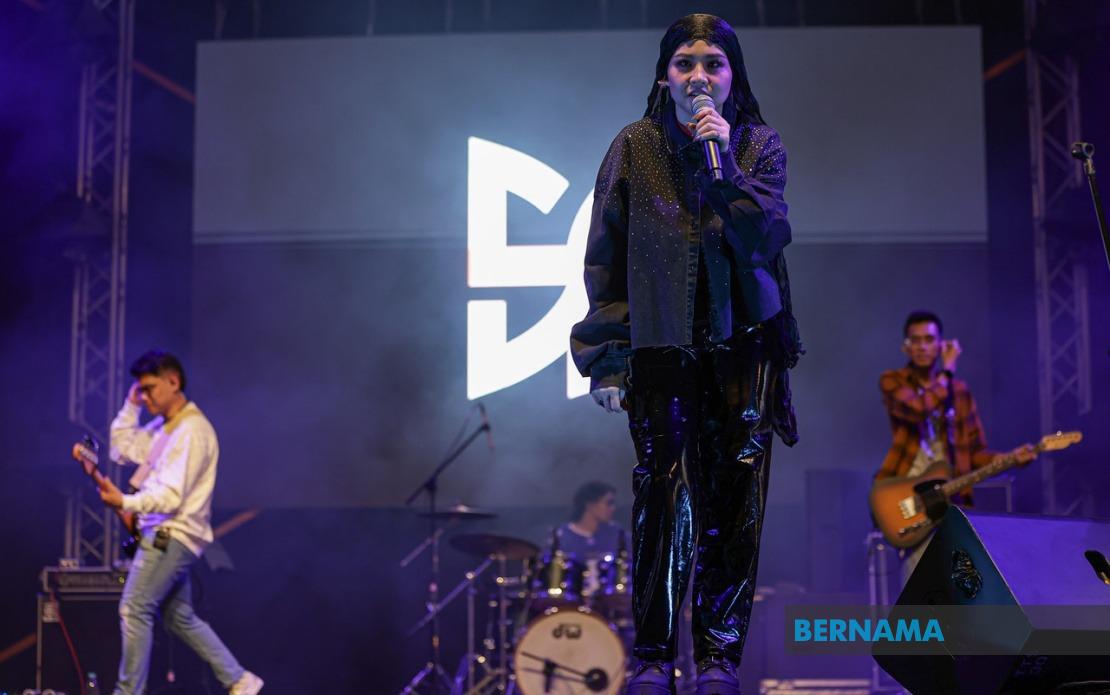
The inaugural evening of the RIUH Pi HAWANA 2026 concert series proved a resounding success in Butterworth, as thousands converged at the PICCA Convention Centre@ Arena Butterworth parking lot to experience live performances from some of Malaysia's most recognisable musical acts. The three-day carnival, organised by MyCreative Ventures as part of the broader HAWANA 2026 Highlight Event, commenced with considerable momentum despite marginal weather challenges, signalling strong appetite among the public for quality live entertainment experiences outside major urban centres.
The event's connection to the National Journalists' Day 2026 celebrations added cultural significance to what might otherwise be a purely entertainment offering. Minister of Communications Datuk Fahmi Fadzil attended the opening performance, underlining the occasion's importance at governmental level. This intersection of journalism profession recognition and grassroots cultural engagement reflects a broader trend across Southeast Asia whereby media and creative sectors increasingly collaborate on public-facing initiatives that strengthen community bonds whilst promoting local talent.
The concert programme commenced at 9:30 pm with an opening set by indie band Pasca Sini, establishing an accessible musical foundation before introducing larger audience draws. Sakura Band and Exists followed, with the latter band commanding particular appeal given their substantial catalogue of commercially successful tracks spanning from the early 1990s onwards. Such programming strategy—pairing emerging acts with established crowd-pleasers—has proven effective across Asian markets in sustaining audience engagement throughout extended evening events.
Weather presented a minor obstacle, with light drizzle affecting the venue throughout the evening. However, attendance patterns suggest meteorological conditions failed to discourage public participation, a notable indicator of the event's perceived value. This weather resilience reflects a characteristic of Malaysian audiences, particularly those willing to travel from neighbouring states such as Kedah to attend scheduled entertainment offerings. The willingness to endure minor environmental inconveniences demonstrates the scarcity of such integrated cultural-entertainment experiences in regional areas outside Kuala Lumpur and other major conurbations.
Zabrina Ishak, a 49-year-old attendee from Bandar Puteri Jaya in Sungai Petani, Kedah, exemplifies the event's cross-generational and geographically dispersed appeal. She discovered the concert through social media promotion via singer Mamat's TikTok account, subsequently deciding to attend alongside her spouse and two sons. Her commendation of the venue layout, particularly the integration of food and beverage vendors enabling concurrent consumption of refreshments and musical performances, highlights how modern audiences evaluate entertainment experiences through lens of holistic comfort rather than purely artistic merit. This multi-functional approach to venue design has become increasingly standard across regional Malaysian events.
Younger demographics represented substantial portions of attendees, evidenced by Nurul Aida Shahnolhadi, a first-year Physics Science student at Universiti Sains Malaysia, who attended with her older sister and friend. At age twenty, she represents the university-age cohort increasingly driving attendance at live music events across Malaysia. Her observation regarding the relaxed atmosphere and quality facilities—particularly rest areas and gathering spaces—suggests organisers effectively addressed logistical concerns often deterring younger audiences from regional venues. Her specific interest in performances by Exists and Sakura Band indicates these bands retain particular resonance amongst university students.
Eighteen-year-old Vynice Boo, a Foundation in Law student at Multimedia University, attended alongside four friends, describing the atmosphere as conducive to social gathering and collective enjoyment. This testimony underscores how contemporary live entertainment functions as social infrastructure for younger cohorts seeking community experiences beyond digital interactions. The emphasis multiple attendees placed on atmosphere, facilities, and social dimensions rather than exclusively on musical performances themselves suggests the event succeeded in delivering comprehensive experiential value extending beyond conventional concert parameters.
The weekend programme structure, operating daily from 4:00 pm through midnight, incorporates diversified activities beyond musical performances. Integration of arts and cultural presentations, local creative product sales, and family-oriented interactive programming reflects recognition that contemporary regional entertainment must accommodate varied demographic interests and consumption patterns. This multifaceted approach differs substantially from traditional concert-centric models, instead positioning the event as comprehensive community engagement mechanism utilising music as primary but non-exclusive draw.
The three-day duration extending through Sunday enables multiple attendance opportunities for those unable to visit opening evening, potentially broadening cumulative audience reach across Penang and surrounding regions. This extended timeline proves particularly significant for regional events competing against concentrated entertainment offerings in Klang Valley. The inclusion of local creative products and food vendors supports peripheral economic activity, generating secondary economic benefits extending beyond primary performers and major corporate sponsors, thereby distributing economic impact across micro and small enterprise operators.
The RIUH Pi HAWANA event's apparent success carries implications for Malaysian event organisers considering comparable initiatives in tier-two and tier-three cities. Evidence suggests regional audiences demonstrate capacity for sustained attendance at professionally managed events offering integrated entertainment, social, and consumption experiences. The strong showing by attendees traveling from Kedah and other neighbouring areas suggests geographic dispersion of quality entertainment opportunities could drive inter-state cultural tourism if replicated across the region. For Malaysian Southeast Asian media and entertainment sectors seeking to develop sustainable content distribution models beyond capital cities, such events provide valuable templates for community engagement and market development.
%22%2F%3E%3C%2Fpattern%3E%3C%2Fdefs%3E%3Crect%20width%3D%22100%25%22%20height%3D%22100%25%22%20fill%3D%22url(%23phmhnbg)%22%2F%3E%3Crect%20width%3D%22100%25%22%20height%3D%22100%25%22%20fill%3D%22url(%23phmhnbp)%22%2F%3E%3Ctext%20x%3D%2250%25%22%20y%3D%2250%25%22%20text-anchor%3D%22middle%22%20dominant-baseline%3D%22central%22%20fill%3D%22rgba(255%2C255%2C255%2C0.95)%22%20font-family%3D%22Georgia%2C%20'Times%20New%20Roman'%2C%20serif%22%20font-weight%3D%22700%22%20font-size%3D%22226%22%20letter-spacing%3D%22-0.02em%22%3EDeputy%3C%2Ftext%3E%3C%2Fsvg%3E)