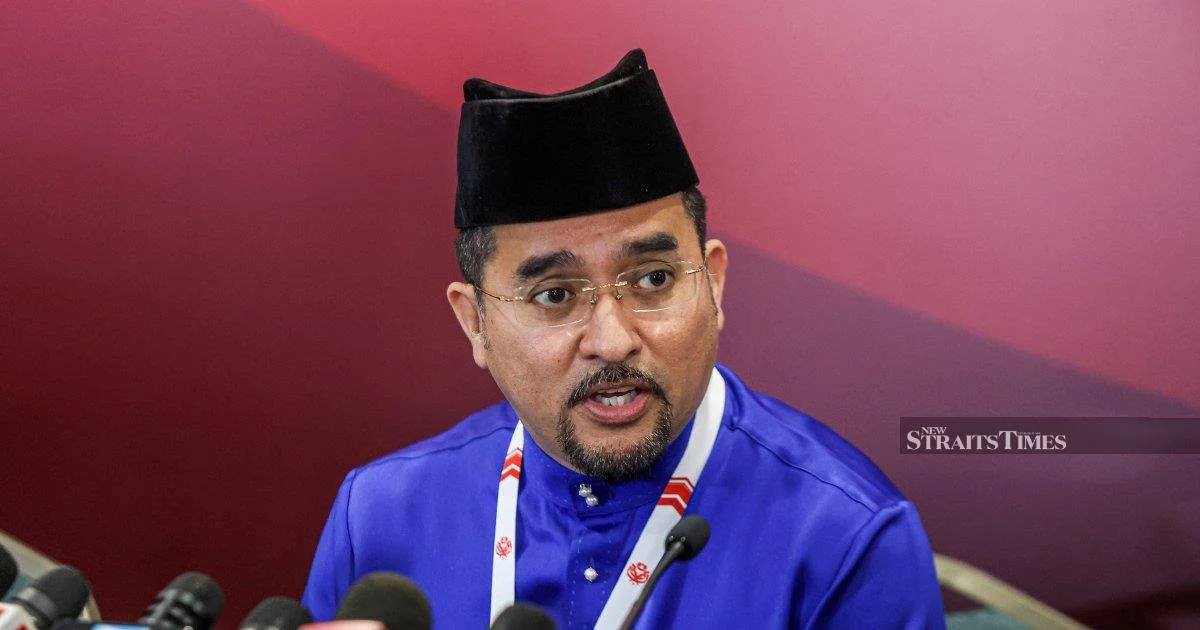
The Barisan Nasional coalition has faced questions about timing in rolling out its slate of candidates for the Johor state election, with the delay ultimately traced back to a meticulous evaluation system. Umno secretary-general Datuk Dr Asyraf Wajdi Dusuki has clarified that the thorough vetting process, rather than internal disagreements or logistical failures, accounts for the extended timeline in finalising the candidate roster.
For Malaysian political observers accustomed to the rapid-fire candidate announcements that typically precede state and federal elections, delays of this nature often spark speculation about divisions within coalition partners or disputes over seat allocations. The explanation provided suggests instead that party leadership deemed comprehensive background checks and suitability assessments more important than speed in moving toward polling day. This approach reflects a broader shift across Malaysian politics toward more structured candidate selection, particularly given increased scrutiny of elected representatives' credentials and conduct.
Johor remains strategically significant for Barisan Nasional's political fortunes in Malaysia. The state has long been considered a BN stronghold, though recent years have witnessed competitive contests as opposition parties strengthen their ground game. The composition of the candidate list therefore carries substantial weight in determining the coalition's prospects in the state polls. Careful vetting becomes even more critical when factoring in the electoral dynamics that have shifted since earlier state elections.
The stringency of the screening process likely encompasses several dimensions of candidate assessment. Electoral commissions and party machinery typically examine prospective candidates' financial transparency, disciplinary records within party ranks, involvement in previous campaigns, community standing, and capacity to mobilise support in their respective constituencies. In Johor's case, the BN apparatus may have devoted particular attention to ensuring candidates could credibly contest against opposition candidates, especially in constituencies where previous results showed narrow margins.
From a regional perspective, Malaysia's major coalitions have increasingly recognised that candidate quality directly impacts voter confidence and turnout. Elections across Southeast Asia have demonstrated that even traditional stronghold states require competitive candidates capable of articulating policy platforms and engaging constituent concerns. The delay in Johor's announcement, viewed through this lens, suggests the BN coalition attempted to field a roster that could withstand scrutiny and deliver results rather than defaulting to automatic seat distributions among affiliate parties.
The vetting framework also likely involved inter-party negotiations within the Barisan Nasional structure. Coalition politics requires balancing representation among component parties—Umno, MCA, MIC, and other affiliated organisations—while ensuring each nominee possesses adequate credentials. These negotiations, though typically conducted behind closed doors, frequently extend timelines as various factions advocate for particular candidates or constituencies. The coordination required to achieve consensus across multiple parties naturally introduces delays not present in single-party candidate selection processes.
For Johor voters, the extended announcement period offers opportunities to scrutinise the eventual candidate slate once released. Voters gain additional time to assess qualifications, track records, and policy positions before heading to the polls. This extended campaign window, though unintended as such, may actually facilitate more informed electoral decision-making among constituencies still evaluating their preferences between rival candidates and coalitions.
The emphasis on rigorous vetting also carries implications for how Barisan Nasional positions itself against opposition alliances. As Malaysian electoral competition intensifies, coalitions compete not merely on policy platforms but on the credibility and capability of their respective standard-bearers. A delay motivated by thorough evaluation potentially signals to voters that the BN coalition prioritises substance over expedience in its candidate selection, a narrative distinction that carries weight in contemporary Malaysian politics where governance competence increasingly influences electoral outcomes.
Umno's secretary-general's public explanation of the delay represents an attempt to control the narrative surrounding the candidate announcement timeline. Rather than allowing speculation about internal party conflicts to dominate media coverage, providing a straightforward rationale emphasising due diligence attempts to frame the postponement as evidence of responsible leadership. Whether this messaging resonates with Johor voters will depend partly on the calibre of candidates eventually announced and their perceived fit with state constituencies.
The stringent vetting process explanation also underscores broader conversations within Malaysian political parties about raising standards in candidate selection. Senior party figures have increasingly acknowledged that electoral victories alone prove insufficient without capable representatives capable of effective constituency service and transparent governance. Johor's extended timeline thus reflects pressure from within Malaysian politics for improved candidate quality, a shift that could influence how future state and federal elections unfold across the country.