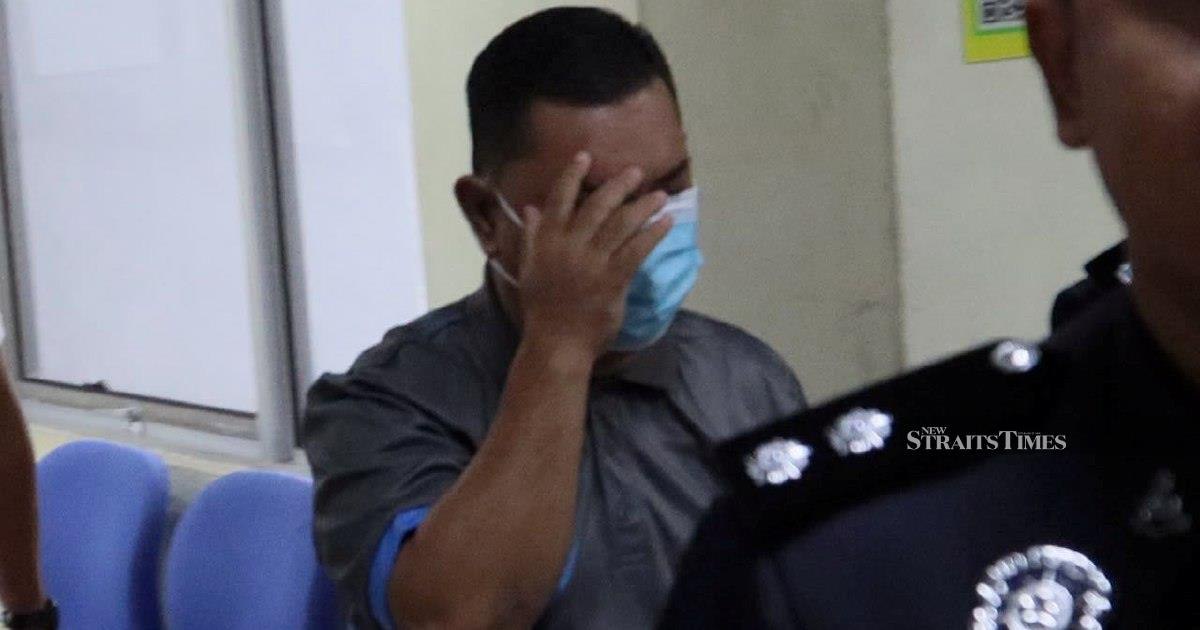
A religious school teacher made his first appearance in Butterworth Sessions Court, where he was formally charged with eight counts related to sexually assaulting and outraging the modesty of several male students under his care. The formal charging marks a significant milestone in a case that has raised serious concerns about safeguarding protocols within faith-based educational institutions across Malaysia.
The allegations against the educator represent a troubling breach of trust within an environment where young learners are placed under the supervision of authority figures. Religious schools occupy a particularly sensitive position in Malaysian society, serving as repositories of moral and spiritual guidance for families who entrust their children to these institutions with heightened expectations regarding pastoral care and ethical conduct.
The specificity of the charges—eight distinct counts covering both sexual assault and outraging modesty—suggests a pattern of behaviour rather than isolated incidents. Such a pattern, if established during trial, would indicate systemic failures in institutional oversight and safeguarding mechanisms that should protect vulnerable students from predatory conduct by staff members.
This case arrives amid growing scrutiny internationally and regionally regarding child protection frameworks within educational settings. Malaysia, like many Southeast Asian jurisdictions, has been strengthening mechanisms to detect and respond to abuse allegations, yet gaps remain in enforcement and prevention strategies. The charging of a religious educator specifically raises questions about whether faith-based institutions maintain the same rigorous screening, monitoring, and accountability standards as secular schools.
The impact on affected students and their families cannot be understated. Beyond the immediate trauma of alleged abuse, victims often face compounded psychological distress from institutional responses that may prioritize reputation protection over victim support. Parents who selected religious schools partly based on institutional ethos and values face the additional dissonance of discovering that such safeguards proved inadequate.
From an institutional perspective, this case will likely prompt religious schools nationwide to conduct internal audits of their child protection policies, staff vetting procedures, and reporting mechanisms. Regulatory bodies overseeing educational standards will face pressure to establish consistent, enforceable guidelines for all schools regardless of religious affiliation, ensuring that vulnerable minors receive equivalent protection across all settings.
The Sessions Court proceedings will require careful examination of evidence and testimony to establish whether the allegations meet the legal threshold for guilt beyond reasonable doubt. The nature of such cases—often involving vulnerable witnesses and allegations that occurred in institutional settings with limited corroboration—presents significant evidentiary challenges for prosecutors while demanding rigorous procedural safeguards to protect the accused's legal rights.
Beyond the immediate case, this situation underscores the importance of creating environments where students feel safe reporting misconduct. Many institutional abuse cases remain hidden for extended periods because students lack confidence that reporting will result in protective action rather than minimization or dismissal. Building transparent reporting channels and demonstrating institutional willingness to prioritize student safety over reputational concerns remains critical.
For Malaysian policymakers and educators, this case serves as a reminder that institutional prestige, religious affiliation, or perceived moral standing cannot substitute for concrete safeguarding systems. Effective child protection requires mandatory reporting obligations, comprehensive staff training on recognizing and responding to abuse indicators, background screening processes, and mechanisms for regular, independent oversight.
The legal proceedings will unfold over coming months, with the court hearing evidence presented by both prosecution and defence. Regardless of the ultimate verdict, the case has already highlighted vulnerabilities in institutional accountability that demand systemic attention beyond the specific individuals involved in this matter.

