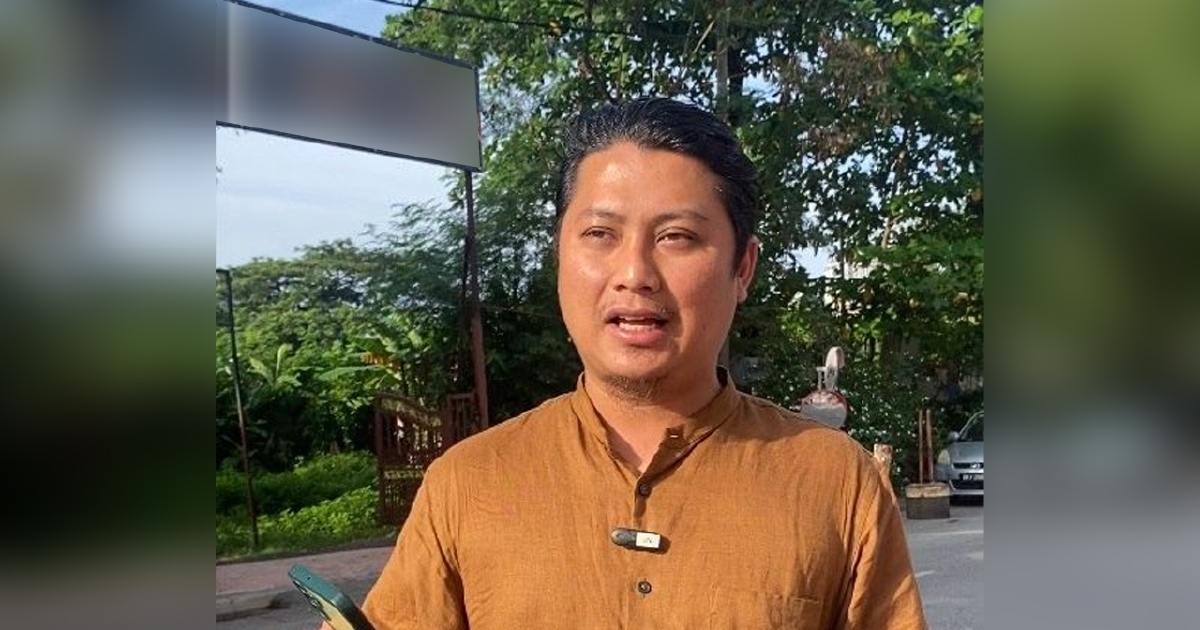
Langkawi's magistrate court will hear charges against social activist Tamim Dahri Abdul Razak tomorrow concerning an allegation that he committed an act intended to insult the beliefs or practices of another religion. The case represents a distinct legal proceeding from an earlier matter involving threats posted on Facebook that had reportedly prompted the activist to leave Malaysia.
Tamim Dahri has become a recognizable figure within Malaysia's activist circles, though his public visibility has been punctuated by legal complications. The timing of this scheduled court appearance marks a significant development in what appears to be an accumulating series of legal challenges facing the activist. His reported departure from the country following the previous Facebook-related threat investigation had suggested he might remain beyond Malaysian jurisdiction for an extended period, making his return and upcoming court date noteworthy.
The charge pertaining to alleged religious insult carries particular significance within Malaysia's legal and social landscape. The nation's penal code provisions addressing acts intended to insult religion or religious sentiments are applied across a range of contexts, from social media communications to public statements and symbolic actions. The specific allegation against Tamim Dahri has not yet been detailed in full, leaving observers uncertain about whether the case involves digital content, public remarks, or other forms of expression that authorities have classified as insulting to religious adherents.
Malaysia's approach to religious speech remains a delicate area where enforcement intersects with free expression debates. Courts have historically maintained relatively consistent interpretation of these statutes, though recent years have witnessed heightened sensitivity surrounding online religious commentary. The magistrate court system in Langkawi will serve as the initial judicial venue, with the proceedings likely to attract attention from civil society organizations monitoring freedom of expression issues across the region.
The activist's legal predicament reflects broader tensions within Malaysian society regarding the boundaries of permissible religious discourse. Social media platforms have transformed how religious conversations occur in public spaces, creating new jurisdictional and evidentiary challenges for enforcement authorities. Authorities have increasingly scrutinized online commentary involving religious subjects, particularly when accusations emerge that speakers have crossed from legitimate criticism into territory deemed disrespectful to faith communities.
Tamim Dahri's activism has historically focused on various social and political issues, positioning him within networks of individuals engaged in public advocacy and commentary. His particular perspective and methodologies have occasionally generated controversy, contributing to the legal complications he now faces. The convergence of his activism with charges related to religious sensitivity underscores how activist work in Malaysia frequently intersects with questions about religious expression and acceptable discourse boundaries.
The Langkawi magistrate's court proceedings will occur against a backdrop of ongoing conversations throughout Southeast Asia concerning religious freedom, minority protections, and state authority over religious expression. Malaysia's multicommunal society requires careful balancing between protecting religious sentiments and preserving space for legitimate criticism and dialogue. How courts address such cases influences the broader environment for public discourse on matters touching upon religion and belief systems.
Observers will likely scrutinize whether the charges reflect measured enforcement of existing legal provisions or constitute disproportionate restriction of legitimate expression. Civil society groups monitoring judicial proceedings have established frameworks for evaluating such cases, considering factors including the specific conduct alleged, proportionality of charges, and consistency with previous enforcement patterns. The outcome may establish precedential guidance affecting how similar allegations are addressed in future proceedings.
The separate nature of this religious insult charge from the earlier Facebook threat case suggests that multiple legal matters have accumulated against Tamim Dahri simultaneously. Managing multiple judicial proceedings across different substantive areas creates additional complexity for defendants navigating Malaysia's court system. The activist's legal team will need to coordinate defense strategies across distinct charges, each carrying separate evidentiary and procedural requirements.
From a regional perspective, Malaysia's handling of cases involving religious speech carries implications beyond national borders. Southeast Asia's diverse religious landscape and generally protective constitutional frameworks around religious freedom mean that how individual nations address such cases influences regional norms and practices. Other governments throughout the region monitor judicial interpretations in neighboring jurisdictions when evaluating their own approaches to religious expression questions.
The court appearance also reflects ongoing questions about digital governance and expression in Malaysia. As online platforms continue expanding their role in public discourse, authorities face mounting pressure to address content flagged as potentially offensive to religious communities. Prosecutorial decisions regarding which cases warrant formal charges versus other enforcement mechanisms remain subjects of considerable scrutiny and debate within activist and legal professional communities.

