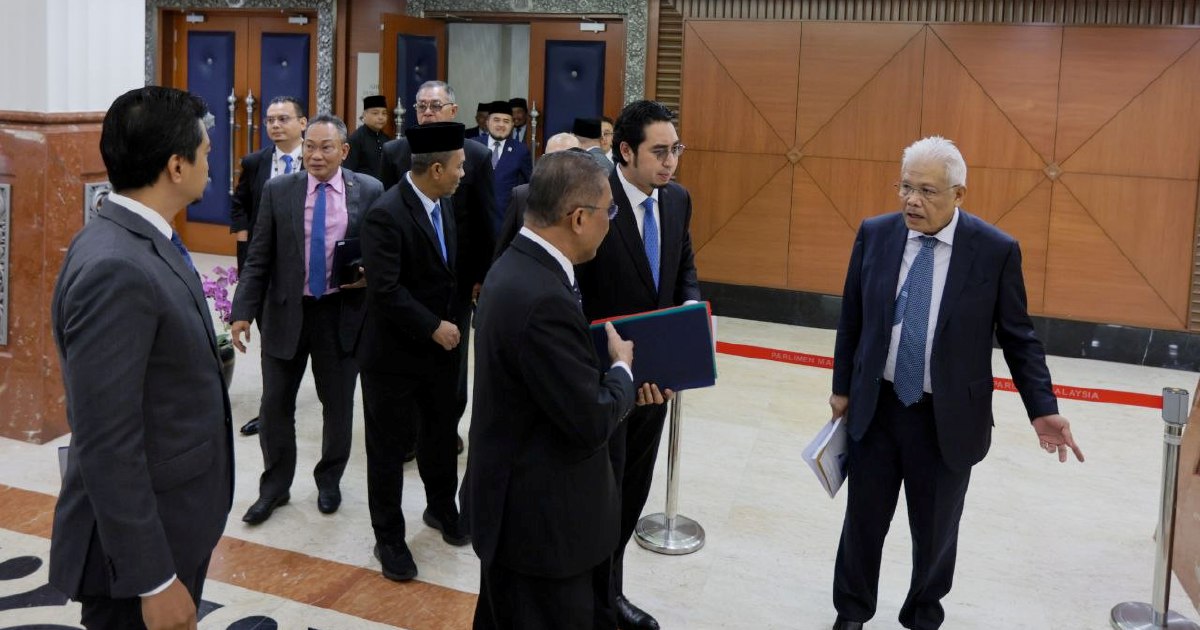
The government's religious affairs minister has made a public appeal for opposition lawmakers to return to parliamentary proceedings and participate in substantive debate over findings from a Royal Commission of Inquiry into Tabung Haji, signalling the administration's openness to cross-party discussion on the pilgrim fund's governance issues.
Dr Zulkifli Hasan's call reflects growing emphasis from the government benches on ensuring that opposition participation in parliamentary business extends to major policy and institutional reviews. The invitation to engage with the RCI report indicates confidence in the inquiry's findings and a willingness to subject those conclusions to the legislative scrutiny that opposition members conventionally provide during Dewan Rakyat sessions.
Tabung Haji, formally known as the Pilgrimage Fund Board, stands as Malaysia's primary financial institution dedicated to assisting Muslim citizens in funding their Hajj pilgrimage to Mecca. The pilgrim fund manages billions of ringgit in deposits from approximately 25 million contributors and maintains strategic importance both as a religious institution and as a major domestic financial entity with significant implications for Malaysian households undertaking one of Islam's five pillars.
The Royal Commission of Inquiry was established to examine management practices, governance structures, and financial decisions within the institution following public concerns regarding investment performance and administrative conduct. Such inquiries typically investigate matters of public interest where official oversight bodies warrant deeper investigation into institutional operations and accountability frameworks.
Parliamentary debate on RCI reports represents a formal mechanism through which legislators can examine findings, scrutinise recommendations, and deliberate policy implications before government implementation. Opposition participation enriches this process by introducing alternative perspectives, questioning methodologies, and ensuring that conclusions withstand robust interrogation from various political viewpoints. The minister's appeal underscores recognition that meaningful parliamentary discourse requires engagement from all major political constituencies.
The Dewan Rakyat serves as Malaysia's primary legislative forum where representatives from both government and opposition coalitions theoretically converge to debate national matters of consequence. When opposition members abstain from these discussions, particularly regarding institutional inquiries affecting millions of Malaysian citizens, gaps emerge in the deliberative process that constitutes responsible parliamentary governance.
For Malaysian readers, the Tabung Haji matter carries direct relevance given the institution's centrality to Islamic observance financing. Any governance deficiencies or financial mismanagement within the fund directly threaten the savings and pilgrimage aspirations of millions who have entrusted their accumulations to the institution. Comprehensive parliamentary examination of RCI findings therefore serves the interest of ordinary Malaysian savers seeking assurance regarding institutional competence and trustworthiness.
The opposition's perspective on governance matters often emphasizes transparency and accountability mechanisms, areas where their questioning during parliamentary debate can clarify implementation details and strengthen public confidence in institutional reforms. The minister's invitation suggests governmental willingness to expose the RCI findings to this level of critical examination, potentially indicating confidence that the inquiry's work reflects genuine investigative rigour rather than selective findings.
Regional context matters here as well. Across Southeast Asia, pilgrim fund management has periodically generated controversy in various Muslim-majority nations, making Malaysia's approach to institutional accountability noteworthy. Transparent parliamentary handling of the Tabung Haji inquiry demonstrates commitment to governance standards that can serve as comparative reference for other jurisdictions grappling with similar institutional questions.
The broader implication extends to parliamentary culture itself. In functional democracies, opposition participation in legislative proceedings—particularly on significant institutional matters—reinforces the principle that no single political faction monopolizes legitimate inquiry into matters affecting the public interest. When an administration invites such participation, it signals confidence in its position while simultaneously affirming institutional norms that transcend partisan divisions.
For stakeholders monitoring Malaysian governance developments, the minister's appeal warrants attention as an indicator of how the government intends to manage public concerns regarding institutional performance. Opposition MPs returning to debate the RCI report would provide electorate with comprehensive examination of findings from multiple political angles, strengthening informed public understanding of whatever reforms the inquiry recommends.
The effectiveness of the government's invitation ultimately depends on opposition leadership's assessment of whether meaningful engagement remains possible within current parliamentary dynamics. Credible debate requires participants to believe their contributions will influence outcomes or at minimum receive serious consideration rather than predetermined dismissal. Whether that perception exists among opposition benches will determine whether Dr Zulkifli Hasan's appeal achieves its intended objective of enriching parliamentary examination of the Tabung Haji inquiry's conclusions.

