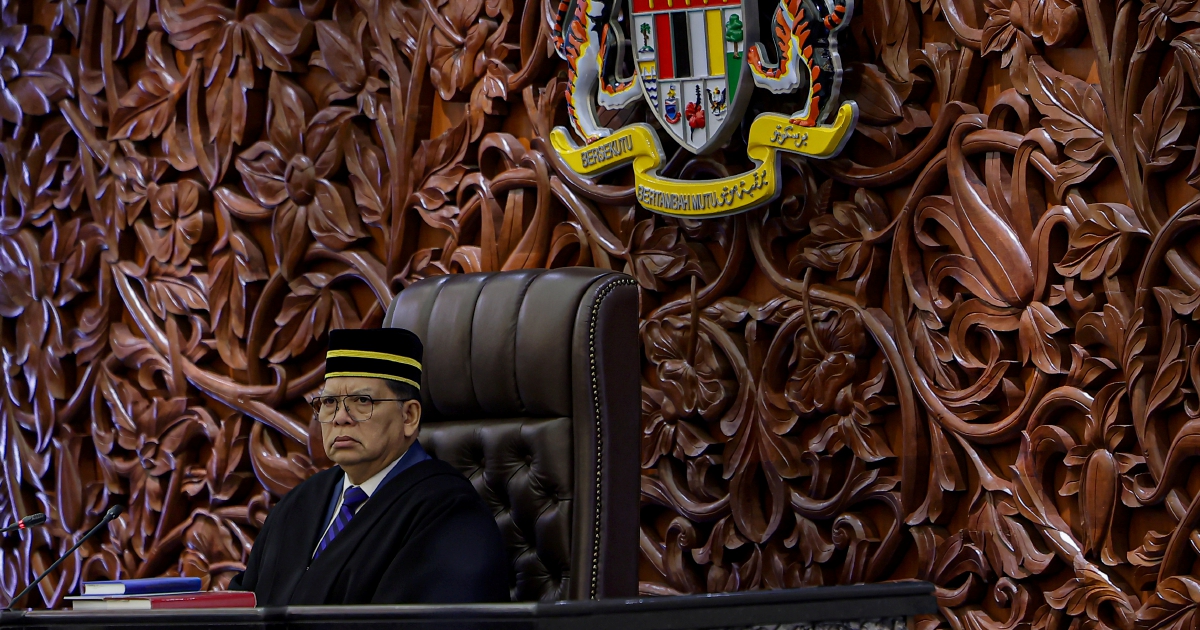
Parliamentary proceedings will focus on governance at Malaysia's pilgrimage savings institution next week when Religious Affairs Minister Dr Zulkifli Hasan tables a comprehensive review into Tabung Haji's operations. The special sitting in the Dewan Rakyat represents a watershed moment for the organisation, which manages savings for Muslims intending to perform the hajj while overseeing substantial investments across domestic and international markets.
The Royal Commission of Inquiry tasked with examining Tabung Haji's affairs has completed its investigation into matters touching on institutional management, investment decisions, and financial accountability. The inquiry was initiated amid concerns about the fund's operational practices and the safeguarding of pilgrims' contributions. This legislative presentation will allow lawmakers to scrutinise the investigation's conclusions and recommendations before parliament.
Tabung Haji operates as a crucial financial institution within Malaysia's Islamic banking ecosystem, holding funds deposited by millions of Muslims preparing for their spiritual journey to Mecca. Beyond its primary mandate, the organisation functions as a significant investor, deploying pilgrim savings across real estate, equities, and alternative asset classes. The scale of these operations—encompassing billions of ringgit—underscores why governance standards and transparency mechanisms at the institution carry weight beyond religious affairs circles.
The timing of this parliamentary revelation carries implications for Malaysian Muslims, particularly the estimated millions who have entrusted their hajj savings with Tabung Haji. Any findings regarding mismanagement or operational deficiencies could shape future reforms to governance structures, investment oversight, or deposit protection mechanisms. Public confidence in the institution remains significant given its cultural importance within the Islamic community and its role as custodian of pilgrims' aspirations.
For regional observers, Malaysia's handling of this inquiry reflects broader trends across Southeast Asia regarding institutional accountability within religiously-aligned organisations. Many nations in the region manage similar pilgrim savings schemes, and the approaches taken in Malaysia may influence governance discussions elsewhere. The parliamentary scrutiny signals commitment to transparent review processes, even when institutions carry religious significance.
The inquiry's scope likely examined board decision-making processes, investment performance benchmarks, internal control mechanisms, and alignment between fund management practices and Islamic principles. Investment losses or allocation decisions that diverged from stated policies would naturally draw investigative focus. Understanding how Tabung Haji allocates resources between savings returns for pilgrims and operational sustainability provides insight into institutional priorities.
Investor and depositor interest in the RCI findings extends beyond the Muslim community. Domestic financial regulators monitoring systemic stability, rating agencies assessing sovereign-linked entities, and international observers tracking Islamic finance developments all maintain interest in how Malaysia's pilgrimage fund operates. Transparency around governance practices reinforces confidence in Malaysian financial institutions generally.
Dr Zulkifli Hasan's presentation methodology will likely shape public reception of the findings. Comprehensive disclosure of investigative conclusions, identified weaknesses, and proposed remedies demonstrates institutional willingness to address shortcomings. Conversely, guarded presentations or selective information release could undermine confidence restoration efforts. Parliamentary questioning following the minister's address will test the completeness of information being disclosed.
The broader context involves Malaysia's consistent efforts to strengthen institutional governance across government-linked organisations. Multiple review mechanisms, enforcement agencies, and oversight bodies have intensified scrutiny of public and quasi-public entities in recent years. Tabung Haji's RCI represents one component of this wider accountability framework, signalling that no institution—regardless of its religious or cultural significance—operates outside governance expectations.
Implementation of RCI recommendations will determine whether this inquiry catalyses meaningful reform or remains a procedural exercise. Parliamentary members will likely press the Religious Affairs Ministry regarding concrete action timelines, resource allocation for implementing changes, and mechanisms to prevent recurrence of identified problems. Establishing accountability for implementing recommendations transforms inquiry findings from reports into operational improvements.
The hajj pilgrimage remains deeply meaningful across Southeast Asian Muslim communities, with Tabung Haji serving not merely as a financial institution but as a trusted intermediary facilitating religious observance. This dual nature—financial entity and religious facilitator—means governance review carries emotional and practical dimensions. Ensuring institutional integrity directly supports pilgrims' ability to fulfil their faith obligations.
Looking forward, the RCI findings may prompt reviews of similar pilgrim savings mechanisms across the region. Regional Islamic finance councils and institutional governance forums often examine best practices emerging from individual nations' reform processes. Malaysia's approach to Tabung Haji governance could establish precedents influencing how neighbouring countries structure their own religious financial institutions.
Parliament's engagement with these findings through dedicated debate and questioning will create formal record of government accountability regarding pilgrimage fund management. This legislative scrutiny, combined with media coverage and public discussion, establishes transparency essential for restoring depositor confidence and demonstrating institutional commitment to reform.

