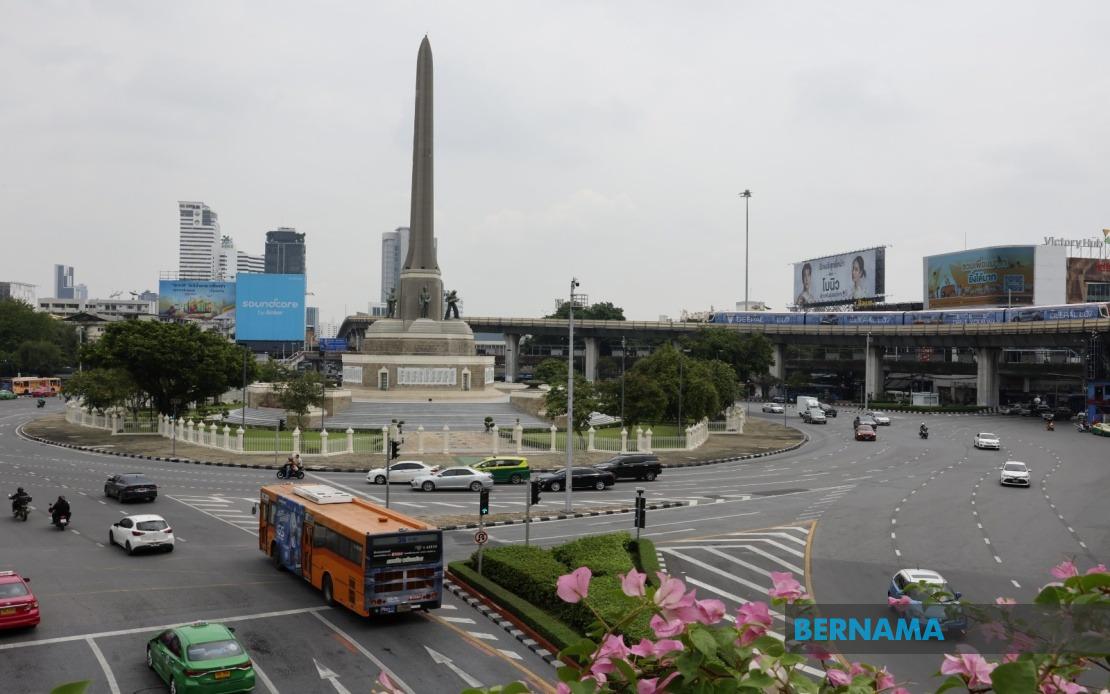
Across Southeast Asia this week, regional governments have prioritised interconnected challenges spanning security, environmental stewardship and generational leadership, signalling a region navigating complex external pressures while managing domestic transformations. The flurry of policy announcements and diplomatic initiatives underscores how closely aligned the region's prosperity remains to global stability, particularly as Middle Eastern tensions reverberate through energy markets and supply chains that sustain ASEAN economies.
Indonesia's decision to deepen its collaboration with OceanX, the globally renowned marine research organisation, represents a significant escalation in its commitment to preserving biodiversity across seven strategically important marine national parks. The partnership with the Ministry of Forestry signals Jakarta's recognition that combating illegal fishing, pollution and climate-driven ocean degradation requires expertise and resources beyond its existing institutional capacity. For a nation whose archipelago depends economically and ecologically on healthy marine ecosystems, this alliance amplifies Indonesia's ability to implement evidence-based conservation strategies that balance resource extraction with long-term environmental sustainability. The initiative gains particular importance as other maritime Southeast Asian states increasingly compete for fish stocks and ocean resources, making coordinated protection efforts more critical to regional stability and food security.
Laos meanwhile took decisive action to protect the Xong River, with President Thongloun Sisoulith ordering comprehensive crackdowns on illegal mining activities while elevating tourism management standards. The directive reflects growing awareness that unregulated resource extraction threatens both ecological integrity and the revenue streams that tourism generates for Vang Vieng, one of the country's most economically valuable destinations. This balancing act—between extractive industries and sustainable development—mirrors challenges across poorer Southeast Asian economies dependent on natural resource revenues yet vulnerable to environmental degradation that erodes long-term growth prospects. The Korean International Cooperation Agency's $4.4 million investment in Laotian livestock safety systems demonstrates how development partnerships address food security vulnerabilities, strengthening supply chains that increasingly connect regional markets and consumer health standards.
Myanmar and Vietnam have reaffirmed their partnership while separately pursuing domestic policy refinements. Myanmar's directive requiring Burmese-language labelling on all pre-packaged snacks illustrates how governments deploy regulatory tools to protect consumers and enhance food safety awareness. Vietnam and Myanmar's renewed commitment to deepen tourism, trade and investment cooperation reflects the enduring strategic importance of bilateral ties within Southeast Asia's increasingly interconnected economic landscape, even as both nations navigate distinct political circumstances. These agreements, though modest in announcement scale, reinforce the regional preference for multilayered partnerships that transcend ideological differences and create mutual economic incentives.
ASEAN's engagement with external partners has crystallised around energy and food security concerns, with the ongoing Middle Eastern crisis forcing regional governments to confront the vulnerability of supply chains and energy markets to geopolitical shocks. This dialogue highlights ASEAN's precarious position as a region economically integrated with global markets yet dependent on stable energy supplies for manufacturing competitiveness and electricity generation. Member states must weigh competing priorities: maintaining neutrality in great power competition while securing reliable energy access, a balancing act that shapes everything from foreign policy alignments to domestic energy infrastructure investments. The Philippines' temporary suspension of classes due to inclement weather, while seemingly routine, underscores the region's vulnerability to climate-related disruptions that compound other structural challenges.
Singapore's cabinet transitions, announced by Prime Minister Lawrence Wong, embody a deliberate generational transition designed to nurture younger leaders while retaining experienced hands-on-deck governance. This managed succession reflects confident institutional stability and long-term planning rarely visible across the region, where leadership transfers often generate uncertainty. Singapore's citizens meanwhile maintain the world's most powerful passport, commanding visa-free or visa-on-arrival access to 192 destinations—a testament to the city-state's global standing and its residents' mobility advantages. This contrast underscores Singapore's unique position within Southeast Asia as a developed, stable, internationally integrated economy, distinctions that inform its distinct priorities and governance models.
Thailand's Police Commission unanimously appointed Pol Gen Samran Nuanma as the nation's 16th national police chief, succeeding Pol Gen Kitrat Phanphet upon his September retirement. Such senior appointments in the Thai context carry outsized significance given the security establishment's historical role in the country's political dynamics, though this particular succession appears orderly. Simultaneously, Bangkok's Airport Rail Link resumed full service after clearing a derailment at its Khlong Tan depot, a development reassuring to businesses and tourists dependent on reliable infrastructure. These administrative matters, individually modest, collectively reflect the operational continuities essential to regional stability and economic functioning.
Vietnam's contraction in overseas remittances signals shifting migration patterns and employment conditions among its diaspora communities, dynamics that reverberate through rural economies dependent on foreign earnings. This trend demands examination of whether migration flows are repositioning toward other destinations, whether economic downturns abroad are reducing worker earnings, or whether rising domestic opportunities are retaining workers at home. For Malaysia and other regional labour-importing economies, understanding Vietnam's remittance movements illuminates changing cross-border human mobility patterns that shape both receiving and sending economies throughout Southeast Asia.

