The government's stance on whether to convene a Royal Commission of Inquiry into allegations of organised criminal networks operating within the Malaysian Anti-Corruption Commission remains contingent on the conclusions drawn from ongoing investigations and the recommendations submitted by the relevant enforcement bodies.
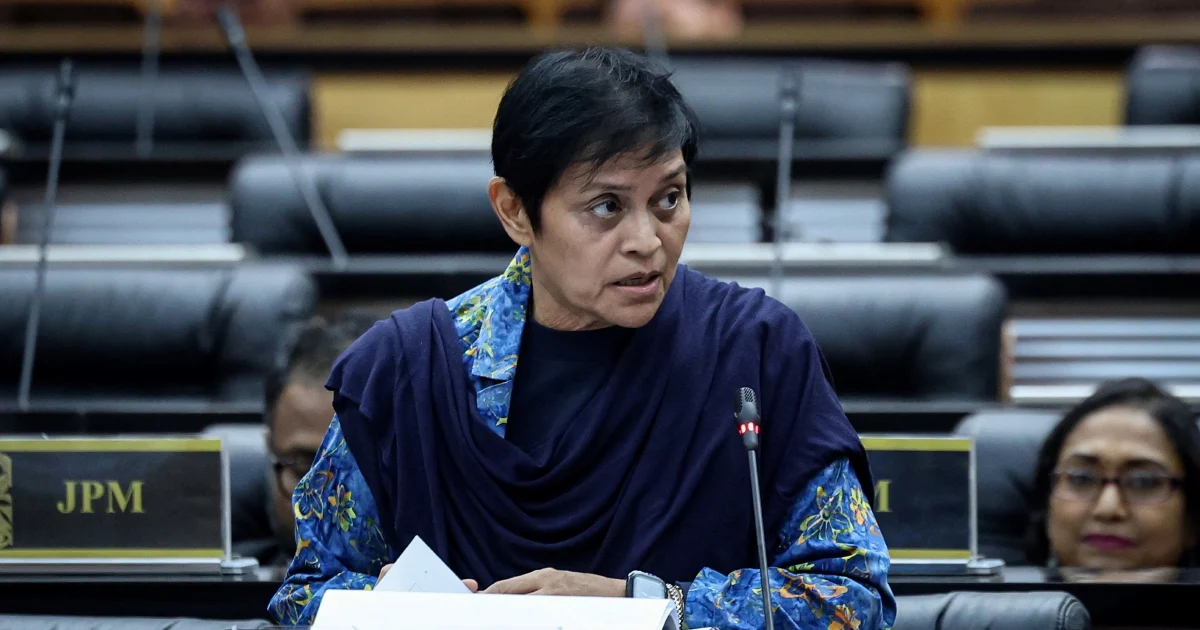
Minister Azalina Othman Said outlined this measured approach in Kuala Lumpur, emphasising that any such consequential decision cannot be made in isolation or precipitously. Instead, it must be grounded in concrete evidence and aligned with established constitutional and administrative frameworks that govern the appointment of royal commissions in Malaysia.
The suggestion of a corporate mafia embedded within the MACC—the very institution tasked with combating corruption and misconduct across the nation's public and private sectors—has struck a particularly raw nerve. Such allegations, if substantiated, would represent a profound institutional failure and undermine public confidence in an agency that serves as a cornerstone of Malaysia's anti-corruption architecture. The severity of these claims has prompted heightened scrutiny and demands for transparency from civil society groups and stakeholders across the country.
The investigation phase currently underway will be crucial in determining whether evidence exists to support allegations of systematic wrongdoing, collusion, or organised criminal enterprise within the MACC's ranks. Various law enforcement and investigative agencies are examining available documentation, testimonies, and operational records to build a factual foundation for policy decisions. Without such evidence, establishing a royal commission might appear performative rather than substantive, wasting resources and public goodwill.
Malaysia's legal framework stipulates specific procedures for establishing royal commissions, typically reserved for matters of exceptional public significance. These commissions are not initiated lightly; they require comprehensive justification and are intended to address systemic issues rather than individual infractions. The government's emphasis on legal procedures reflects an acknowledgment that institutional credibility hinges not just on results, but on the legitimacy of the processes undertaken to achieve them.
The public interest dimension adds another layer to this deliberation. Malaysians have a vested interest in knowing whether the institution responsible for investigating corruption has itself become corrupted. Mass media coverage and social media discourse have amplified concerns, creating pressure for swift and decisive action. However, rushing toward a royal commission without adequate investigative groundwork could backfire, appearing as either a political manoeuvre or a publicity exercise rather than a genuine commitment to accountability.
Regionally, Malaysia's response to this crisis will be watched by neighbouring countries grappling with similar institutional integrity questions. Singapore's Corrupt Practices Investigation Bureau and Indonesia's Komisi Pemberantasan Korupsi have faced periodic scrutiny, yet maintain relatively robust reputations through transparent governance and regular institutional audits. How Malaysia navigates this challenge could influence the region's broader approach to anti-corruption agency oversight.
The timing of any RCI decision also carries political significance. An inquiry that arrives too late may be dismissed as performative backpedalling; one convened prematurely risks being viewed as proceeding without sufficient evidence. This tightrope requires careful navigation by government officials, particularly given Malaysia's history of controversial commissions that have prompted accusations of selectivity or bias.
Meanwhile, the ongoing investigations themselves demand adequate resourcing and independence. If preliminary findings do warrant a full royal commission, the credibility of that future inquiry will depend substantially on the quality and integrity of the groundwork laid now. Investigators must follow evidence wherever it leads, without political interference or institutional self-interest clouding their judgment.
Civil society organisations and transparency advocates are watching closely, ready to scrutinise both the investigation methodology and the government's ultimate decision. They represent a form of public accountability mechanism, ensuring that any eventual outcome commands at least grudging legitimacy across Malaysia's diverse stakeholder landscape.
The distinction between allegations and proven misconduct remains paramount. While corporate mafia narratives make for compelling headlines, Malaysia's institutions will be judged on their commitment to distinguishing between rumour and reality, between speculation and substantive wrongdoing. Only when that distinction is clearly established can policymakers make informed decisions about whether a royal commission is truly warranted or whether alternative accountability measures might suffice.
For now, the government's position—awaiting investigative results and maintaining procedural rigour—reflects institutional caution rather than stonewalling. Whether this approach ultimately satisfies public expectations will depend on the transparency of coming disclosures and the swiftness with which leadership acts once findings are finalised.

