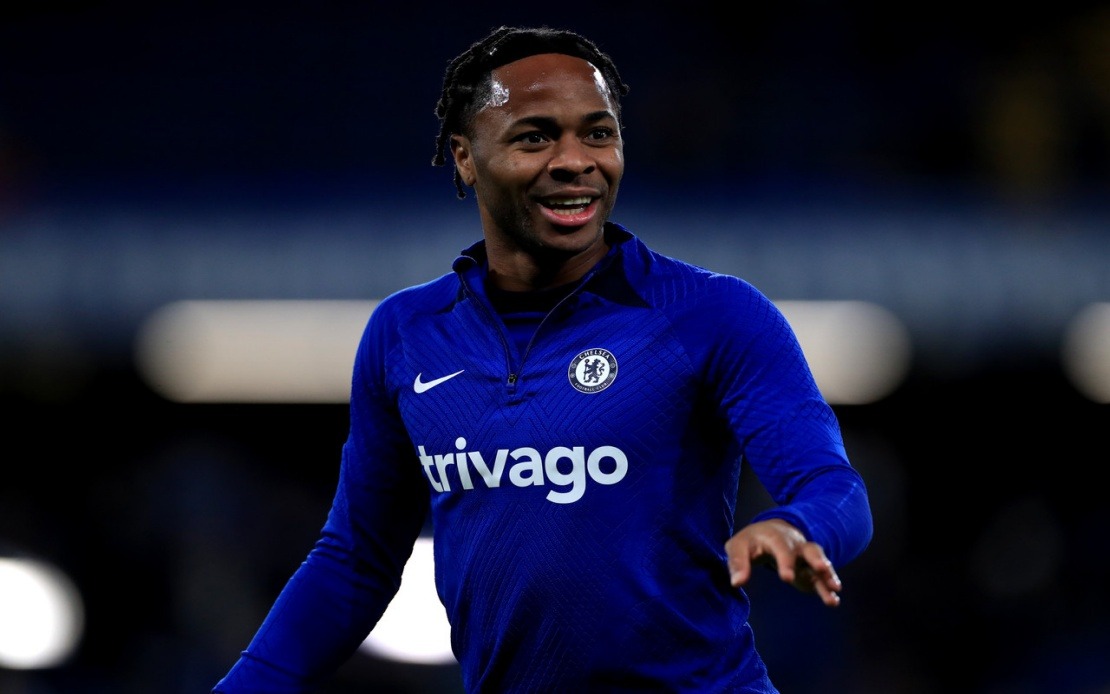
Raheem Sterling, the decorated England forward who represented his country 82 times, faces serious criminal charges stemming from a traffic incident on Britain's busiest motorway corridor. Hampshire and Isle of Wight Constabulary has charged the 31-year-old with dangerous driving, possession of nitrous oxide for wrongful inhalation, and failing to provide a specimen following a single-vehicle collision involving a Lamborghini on the M3 southbound near Minley interchange on May 28. Sterling, who resides in Berkshire, is scheduled to appear at Basingstoke Magistrates' Court on September 15 for his initial hearing.
The incident itself was limited in scope—police confirmed that no other vehicles were involved in the crash and no injuries resulted from the collision. However, the charges carry significant implications for Sterling's reputation and career trajectory. The allegation of nitrous oxide possession is particularly noteworthy given heightened public discourse around substance misuse among professional athletes and the broader legal framework surrounding the so-called "laughing gas," which has become a subject of regulatory attention across the United Kingdom.
Sterling's footballing achievements have been substantial and well-documented. The forward's international career spanned multiple championship campaigns, most notably contributing to England's run to the Euro 2020 final under Gareth Southgate, where the team narrowly lost to Italy. His 20 goals across 82 caps represent a meaningful contribution to the national team's attacking prowess during a period of relative resurgence for English football on the continental stage. His pedigree at club level is equally impressive, with a career trajectory that mirrors the evolution of modern elite football.
Sterling began his professional journey through the youth system at Queens Park Rangers before securing his breakthrough at Liverpool, where he developed into a consistent performer. His subsequent transfer to Manchester City in 2015 proved transformative, establishing him as a cornerstone of the club's dominant period in English football. During his tenure at the Etihad Stadium, Sterling accumulated four Premier League titles, five League Cups, and an FA Cup victory in 2019, positioning himself among the most decorated English players of his generation. His departure to Chelsea in 2022 represented a significant move within the Premier League's upper tier, though his subsequent experience at Stamford Bridge proved less fruitful, leading to loan placements at Arsenal during the 2024-25 season and an eventual transfer to Dutch side Feyenoord.
Beyond his on-pitch accomplishments, Sterling has cultivated a prominent public profile as an advocate for social justice and anti-racism initiatives. His activism earned him recognition beyond sport when he received an MBE in the 2021 Queen's Birthday Honours for services to racial equality. This accolade reflected his sustained commitment to speaking against intolerance and discrimination within football and society more broadly. His advocacy became increasingly visible during a period when England matches were marred by fan protests against players taking the knee as a gesture of solidarity against racism, a controversy that highlighted the tensions between activism and traditionalist opposition within English football culture.
The timing of these charges coincides with what appears to be a challenging phase in Sterling's career trajectory. His diminished role at Chelsea and subsequent loan moves suggest a player navigating the difficult transition that many elite athletes face in their early thirties. The legal complications arising from the May incident add a significant complicating factor to this professional uncertainty. For Malaysian and Southeast Asian observers following English football, Sterling's situation presents a cautionary narrative about the pressures and temptations that accompany elite sporting status, particularly in Western contexts where substance access and lifestyle pressures differ markedly from footballing environments in the region.
The specific nature of the charges—particularly the nitrous oxide allegation—reflects broader societal concerns about recreational drug availability and use patterns among young adults in the United Kingdom. Nitrous oxide, while ostensibly marketed for culinary purposes, has become increasingly associated with recreational misuse, prompting regulatory discussions and public health campaigns across British society. The inclusion of this charge within the context of a motorway traffic incident underscores law enforcement priorities regarding substance-impaired driving, a category of offense that carries considerable legal jeopardy and public opprobrium.
Sterling's court appearance scheduled for September 15 will represent a critical juncture in both his legal standing and public reputation. Magistrates' court proceedings in England typically handle less serious offenses, though dangerous driving charges can occasionally be escalated to Crown Court depending on circumstances and prosecutorial discretion. The outcome of this hearing will determine whether the case proceeds, whether charges are modified or dismissed, and what trajectory Sterling's personal and professional rehabilitation might follow. For a player of his standing and public profile, the reputational damage has likely already commenced, regardless of eventual legal outcomes.
The broader implications for English football are more modest but noteworthy. Sterling's situation joins a long historical list of professional footballers navigating legal difficulties, from conviction to eventual return or permanent career disruption. His status as an established international figure means that the case will receive sustained media attention both domestically and internationally. The incident also invites reflection on duty-of-care responsibilities within elite football organizations and whether clubs and national bodies have adequate support mechanisms for players facing personal and legal challenges that extend beyond performance-related concerns.
For Sterling's international prospects, the situation introduces significant complications. His 82 caps and established role within the England setup may be jeopardized depending on legal outcomes and the Football Association's own disciplinary procedures. The organization has previously addressed off-field misconduct by players representing the national team, and this incident will undoubtedly prompt internal governance discussions regarding standards and expectations for international representatives. Whether Sterling maintains a pathway to future England selection will depend on judicial outcomes, organizational decisions, and ultimately his capacity to rehabilitate his public standing.

