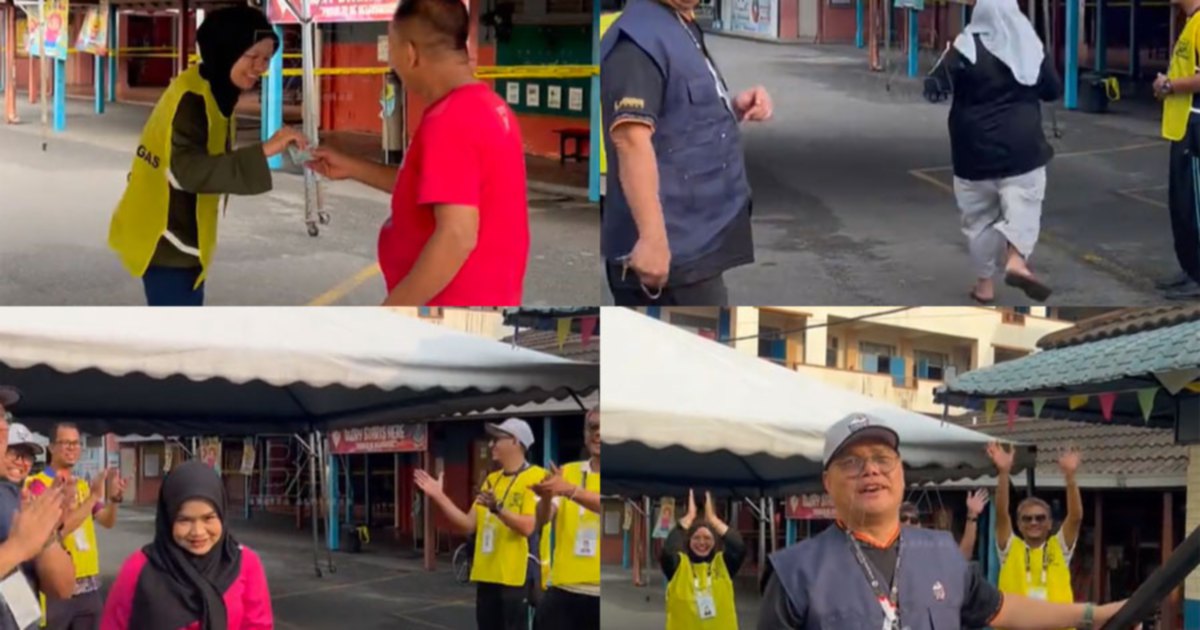
A video that has taken social media by storm documents the frenzied conclusion of voting in the Negri Sembilan state election, capturing the genuine urgency as citizens worked to exercise their democratic right before officials closed the polling stations at 6pm. The footage, which has circulated extensively across multiple platforms, provides a striking visual narrative of civic participation and the importance voters attach to having their say in the electoral process.
The clip records what appears to be a deliberate last-minute surge at one or more polling centres, with individuals visible in the recording moving with evident determination toward the voting booths. The widespread sharing of this content reflects broader Malaysian public engagement with electoral events, particularly in state-level contests that may otherwise receive less mainstream media attention than federal elections. The video has resonated across different demographics, suggesting it captures something universally relatable about the democratic experience.
State elections in Malaysia hold particular significance for voters whose primary engagement with the political system may be at the regional level. Negri Sembilan, as one of the nation's thirteen states, conducts its own legislative assembly elections to determine which party or coalition forms the state government. These contests determine how state resources are allocated, including matters affecting local economic development, education, healthcare delivery, and infrastructure investment. The level of voter turnout and enthusiasm documented in the viral footage underscores the continued relevance these elections maintain within Malaysian political life.
The decision by polling officials to maintain strict adherence to the 6pm closing time reflects standard electoral protocols designed to ensure procedural integrity. However, the visual drama created by the deadline generates compelling viewing and discussion material. This phenomenon is not unique to Malaysian elections; voting deadline rushes have been documented internationally and frequently become points of social media focus because they encapsulate the drama of democratic participation in a compressed timeframe.
The viral nature of the footage raises questions about voter awareness and electoral accessibility. The apparent last-minute quality of the rush captured in the video suggests that some voters may have left their voting until the final possible moment, which could indicate either time management challenges, uncertain working schedules that prevented earlier voting, or perhaps deliberate timing by those confident they could make the deadline. Understanding such patterns requires examining whether voting hours, location accessibility, and public awareness campaigns effectively facilitate participation across different worker groups and geographic areas.
From a media and communications perspective, the video exemplifies how electoral events increasingly generate organic content that shapes public discourse outside traditional journalistic channels. The circulation of such material on platforms including Facebook, Twitter, TikTok, and WhatsApp means that voter experiences and perceptions of elections are being documented and shared by participants themselves. This grassroots documentation can either reinforce confidence in the electoral process by showing engaged citizens, or conversely raise concerns about accessibility if the footage appears to show voters being rushed or constrained by time limitations.
The social media engagement around this clip suggests that Negri Sembilan voters maintain reasonable enthusiasm for state-level elections despite the competing demands of contemporary life. Malaysian voter turnout patterns have shown variable levels of engagement depending on perceived election significance and political context. Documenting the final-hour surge provides one data point suggesting that at least a meaningful segment of the electorate actively participates when voting opportunities arise.
For election administrators and advocates of electoral participation, such viral moments offer both opportunity and challenge. While the footage demonstrates voters' willingness to prioritise voting, the apparent necessity for a last-minute rush might prompt review of whether polling centre hours, availability of early voting options, or public communication about voting schedules could be adjusted to better distribute the voting population throughout the day. Many developed democracies have experimented with extended polling periods, advance voting facilities, and postal voting options specifically to reduce the deadline-related pressure captured in this video.
The international dimension of how Malaysian electoral events gain attention through social media circulation also deserves consideration. Videos of voting queues and deadline rushes contribute to the global narrative about democratic engagement in Southeast Asia. These images, whether framed positively as evidence of voter enthusiasm or more critically as revealing systemic access problems, influence international perceptions of Malaysian electoral health and civic participation rates.
Looking forward, the Negri Sembilan example offers a case study in how contemporary Malaysian elections unfold in the age of ubiquitous mobile video. The formal electoral procedures remain unchanged, but the documentation and rapid dissemination of voting experiences create new layers of public awareness and discussion. Whether such viral content ultimately strengthens democratic engagement or merely creates entertainment value remains an open question for media analysts and political scientists studying Southeast Asian electoral dynamics.

