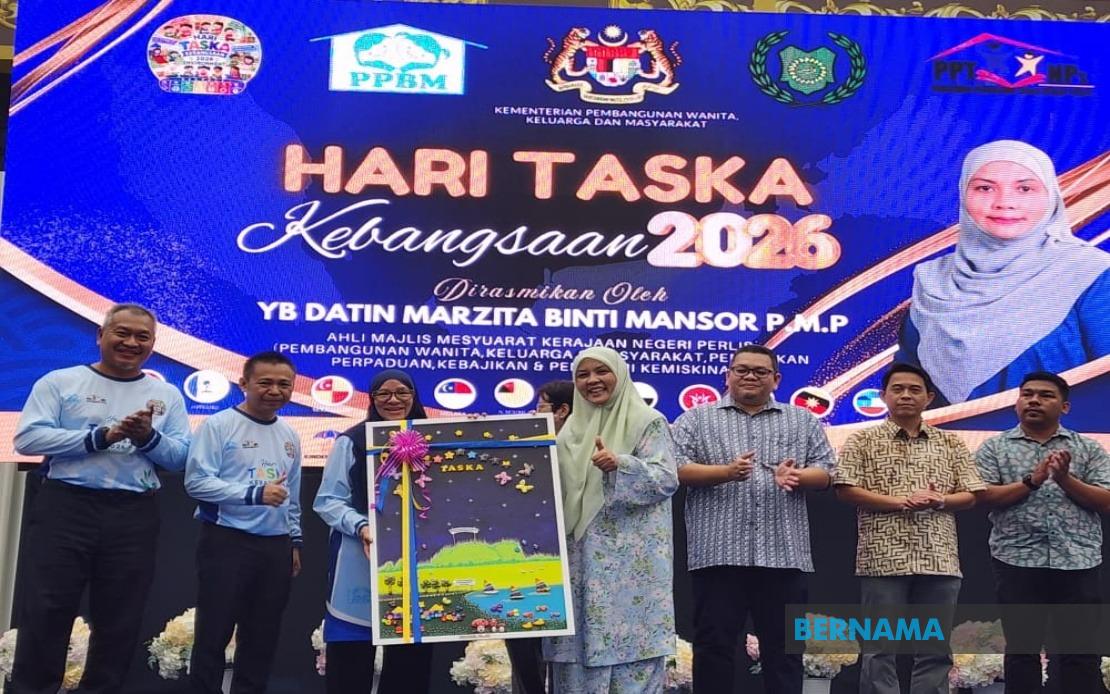
Malaysia's childcare sector faces a critical challenge in translating international child protection standards into everyday practice, according to leaders gathered in Perlis for the 2026 National Childcare Day celebrations. The Association of Registered Childcare Providers Malaysia (PPBM) has emphasised that the principles enshrined in the Convention on the Rights of the Child must move beyond policy documents and into the hearts and practices of childcare facilities across the country. Speaking at the event in Kangar, where Datin Marzita Mansor, chairman of Perlis' Women, Family and Community Development, Education, Unity, Welfare and Poverty Eradication Committee, officiated proceedings, PPBM president Adjunct Professor Norsheila Abdullah articulated a vision of childcare that goes considerably deeper than the conventional understanding of the sector.
The scope of quality childcare has long been misunderstood in many communities, with families and even some providers equating adequate care solely with the provision of meals and maintenance of clean, hygienic spaces. PPBM's leadership challenges this narrow interpretation, arguing instead that genuine quality encompasses a far richer spectrum of needs and entitlements. Beyond the basics of nutrition and sanitation, quality childcare must facilitate the development of protective relationships between caregivers and children, deliver consistent emotional support that helps youngsters navigate their formative years, provide learning experiences that stimulate cognitive growth, and fundamentally respect the inherent dignity and individual rights of every child in their care. This holistic approach aligns with international best practices but requires a significant shift in how many Malaysian childcare providers conceptualise their role and responsibilities.
The critical distinction that Norsheila draws between mere supervision and genuine childcare strikes at the heart of why this issue matters for Malaysia's development trajectory. The question is not simply whether children have been kept safe and fed during their time at a facility, but whether they have genuinely been protected from harm, whether their voices have been heard and valued, whether they have been respected as individuals with inherent rights, and crucially, whether the environment has afforded them genuine space to flourish and develop as autonomous persons deserving of dignity. This expanded definition has profound implications for how childcare centres operate, how staff are trained, and what metrics communities should use to assess whether a facility truly serves the best interests of its young charges.
Creating such an environment represents a genuinely shared undertaking that extends well beyond the boundaries of formal childcare institutions. PPBM argues persuasively that childcare providers, parents, extended families, community organisations and broader society all bear responsibility for establishing spaces that are simultaneously safe, caring, genuinely inclusive, and intellectually stimulating for children. When these elements combine, they transform a childcare facility from a warehousing operation into a genuine developmental resource. This collective responsibility framework is particularly relevant for Malaysia, where extended family networks and community engagement have traditionally played significant roles in child-rearing. Mobilising these existing social structures in service of child rights could substantially amplify the positive impact of formal childcare provision.
The principle of "no child left behind" has emerged as particularly important in PPBM's advocacy work, reflecting global recognition that many children with diverse needs and abilities have historically been marginalised within standard childcare settings. Translating this principle into actual childcare practices requires deliberate, sustained effort to build inclusive environments that recognise and respond thoughtfully to the varying requirements of different children. Some youngsters may require additional support due to developmental delays, learning differences, physical disabilities, behavioural challenges, or emotional trauma. Without deliberate inclusive design, these children risk being simply accommodated rather than genuinely served, potentially deepening existing disadvantages rather than mitigating them.
Safety and protection remain non-negotiable foundations, with PPBM emphasising that these critical safeguards can never be negotiated away in pursuit of other objectives. Everyone engaged in childcare work must maintain constant vigilance for signs of abuse, neglect, or safety risks, and possess both the knowledge and courage to take decisive action when concerns emerge. This vigilance extends beyond obvious physical dangers to encompass psychological harm, social exclusion, and emotional neglect. Building a truly protective environment requires creating cultures where children feel safe reporting concerns, where adults take those reports seriously, and where institutional responses are swift, child-centred, and genuinely protective rather than defensive or dismissive.
The developmental consequences of providing children with secure, nurturing environments during their earliest years are profound and long-lasting. Research increasingly demonstrates that children who experience consistent care, safety, and positive relationships during early childhood demonstrate more robust trajectories across physical health, emotional regulation, social competence, cognitive development, language acquisition, and character formation. These foundational capacities established in early childhood create advantages that persist into school years and beyond, suggesting that childcare quality represents one of the most cost-effective investments a nation can make in its human capital. For Malaysia specifically, strengthening early childhood development could help address educational achievement gaps that often emerge later and prove increasingly difficult to remediate as children progress through schooling.
PPBM's advocacy reflects a sophisticated understanding that investing resources in early childhood development constitutes a long-term strategic investment in national prosperity and social cohesion. The children currently in Malaysian childcare facilities will become the workers, leaders, parents, and citizens upon whom the nation's future depends. The quality of their early experiences, the developmental foundations they establish, and the degree to which their rights and dignity are respected during these formative years will influence their contributions to society throughout their lives. This intergenerational perspective elevates childcare from a peripheral family service to a matter of genuine national importance deserving sustained attention, adequate funding, and continuous quality improvement.
The 2026 National Childcare Day celebration, themed "The Environment as a Driver of Holistic Child Development," provides a timely platform for Malaysian society to reexamine prevailing assumptions about what childcare should accomplish. PPBM's message challenges stakeholders to think expansively about the role childcare plays in children's lives and to commit resources and energy to elevating standards across the sector. Implementation will require training programmes that equip childcare workers with the knowledge and skills to provide developmentally appropriate, rights-respecting care; regulatory frameworks that establish and enforce quality standards; adequate remuneration to attract and retain qualified personnel; and community engagement that builds broader societal commitment to valuing children's early years.

