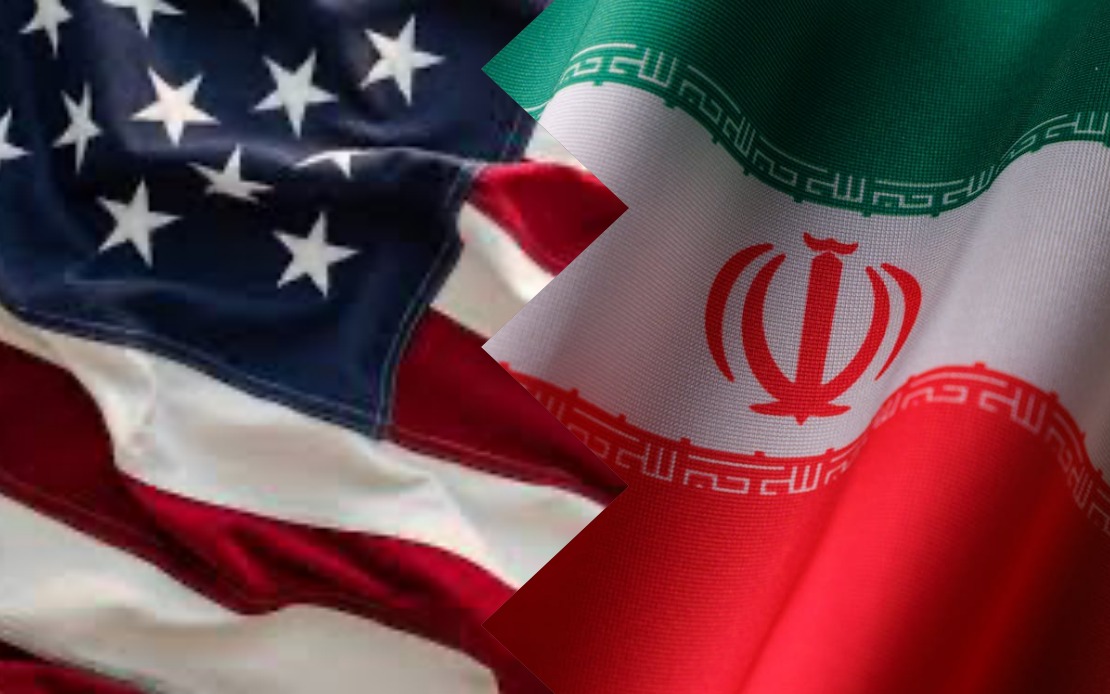
Qatar's Foreign Ministry has announced that separately mediated diplomatic discussions between delegations from the United States and Iran in Doha have concluded with what officials characterise as meaningful headway on substantive issues. The announcement, made through Foreign Ministry spokesman Majed Al Ansari on the X platform, underscores the continuing role of Gulf mediation in facilitating dialogue between Washington and Tehran at a moment of heightened regional tensions.
The mediating parties, comprising Qatar and Pakistan, conducted individual sessions with each delegation before concluding the talks. According to Al Ansari's statement, the discussions specifically addressed implementation questions and outstanding matters related to the Islamabad Memorandum of Understanding, building upon previous diplomatic momentum established at the Lake Lucerne Summit. The delineation between separate meetings rather than direct negotiations reflects the sensitivity of US-Iran relations and the critical importance of intermediaries in maintaining communication channels.
The timing of these diplomatic overtures carries particular weight given recent regional developments that have destabilised the broader Middle Eastern environment. The talks occur in the aftermath of a significant military incident on February 28, when a combined US-Israeli strike resulted in the death of former Iranian Supreme Leader Ali Khamenei. The strike represented a major escalation in what had previously been a period of tentative, albeit fragile, diplomatic engagement between Washington and Tehran through Qatari and Pakistani channels.
For Southeast Asian observers, particularly those in Malaysia and the region, these developments carry implications extending beyond bilateral US-Iran relations. The Gulf remains a critical economic zone upon which numerous Asian economies, including Malaysia's own energy security, fundamentally depend. Sustained tensions in this theatre risk disrupting global oil markets, maritime trade routes, and the broader stability that underpins regional prosperity. Successful mediation that de-escalates tensions therefore serves Southeast Asian interests directly.
The Islamabad Memorandum of Understanding has become a focal point for these negotiations, representing a framework through which various contentious issues between the two powers might be compartmentalised and addressed methodically. The commitment to continue substantive discussions signals that despite Khamenei's death and the funeral ceremonies scheduled for Friday, both Washington and Tehran retain sufficient diplomatic investment to maintain engagement. This persistence is noteworthy given that such incidents frequently trigger recriminations and suspensions of dialogue.
Qatar's pivotal mediating role reflects its established position as a neutral broker capable of engaging both American and Iranian interests without appearing aligned to either power. The successful continuation of talks through this critical juncture demonstrates Qatar's diplomatic acumen and its value as an interlocutor. Pakistan's joint participation in these mediation efforts underscores the broader multilateral character of attempts to stabilise US-Iran relations, indicating that regional powers beyond the immediate Gulf are invested in preventing further escalation.
The agreement to schedule subsequent meetings at the earliest feasible opportunity, contingent upon the conclusion of Iranian funeral proceedings, suggests that both delegations are treating this dialogue as sufficiently valuable to weather near-term ceremonial obligations. The explicit acknowledgment of these funeral arrangements in the official statement indicates respect for Iranian protocols and an awareness of the domestic political context within which Iranian negotiators must operate following their former Supreme Leader's death.
For Malaysia and Southeast Asia more broadly, the implications of sustained US-Iran engagement warrant close attention. A renewal of open conflict would inevitably ripple through global energy markets, potentially affecting regional economies dependent upon stable petroleum pricing and supply chains routed through the Strait of Hormuz. Conversely, successful diplomatic resolution through the patient, mediated approach now underway offers prospects for stabilisation that would benefit all trading nations in Asia.
The Qatari and Pakistani mediation framework also offers lessons in multilateral problem-solving that might inform approaches to other regional disputes. The emphasis on phased discussions, separate meetings that allow face-saving for each party, and structured agendas focused on specific agreements rather than comprehensive settlements represents a pragmatic diplomatic methodology increasingly relevant in a multipolar world where direct confrontation risks escalation but engagement offers possibilities for incremental progress.
As these talks proceed, the international community remains attentive to whether this mediation effort can produce concrete agreements that reduce tensions or whether the underlying hostilities will eventually overcome diplomatic channels. The funeral proceedings for Ali Khamenei will provide a temporal marker for observing whether momentum continues or whether the bilateral relationship enters another period of tension. For now, the announcement of positive progress offers modest grounds for optimism that communication between these two consequential powers can survive even severe provocations, a development with significance extending well beyond the Middle East to affect stability and prosperity across Asia.

