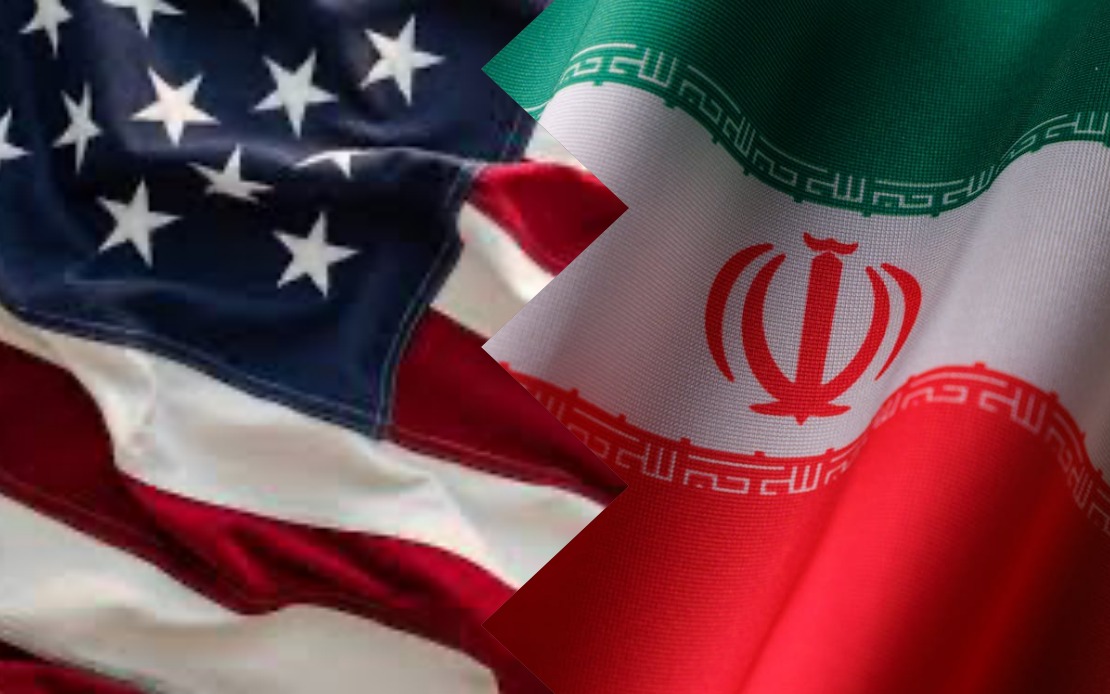
Qatar has embarked on an intensive diplomatic campaign to solidify Gulf state backing for the fragile US-Iran peace framework, with Prime Minister and Foreign Minister Sheikh Mohammed bin Abdulrahman Al Thani conducting separate high-level conversations with counterparts across the region. His calls to leadership in the United Arab Emirates, Saudi Arabia, Kuwait, Oman and Bahrain represent a coordinated push to marshal support for the memorandum of understanding that Washington and Tehran signed in June, signalling Doha's role as a stabilising force amid persistent regional tensions.
The timing of Qatar's intervention underscores growing anxiety in Gulf capitals about the sustainability of recent diplomatic gains. The memorandum itself emerged from a Pakistan-mediated negotiation process that culminated in June, positioning Islamabad as a crucial intermediary in regional geopolitics. Yet the agreement has already proven fragile, with the US and Iran exchanging military strikes for nearly two weeks last month after the framework collapsed. This volatility has left other Gulf states uncertain about whether the accord represents genuine progress or merely a temporary pause in escalating hostilities.
During his conversations, Al Thani placed particular emphasis on the necessity for sustained commitment to dialogue and diplomatic channels as the primary mechanism for resolving outstanding disputes. His messaging reflected a broader Qatari strategy of positioning the emirate as a neutral broker capable of facilitating agreement between adversaries, a role Doha has cultivated over decades through its hosting of various resistance and militant groups, as well as international organisations. By championing the memorandum, Qatar seeks to anchor regional security architecture in negotiated settlement rather than military competition.
A central element of Qatar's advocacy focused on freedom of navigation through the Strait of Hormuz, one of the world's most strategically vital waterways through which approximately one-third of seaborne traded oil passes. The strait's security carries profound implications not only for the Middle East but for global energy markets and economies throughout Asia, including Malaysia and Southeast Asia. Any disruption to shipping through these chokepoints could trigger significant commodity price fluctuations affecting regional economies dependent on energy imports. Al Thani's emphasis on preserving navigation rights reflected recognition that sustained military escalation could threaten international commerce and regional economic stability.
The broader context of these discussions reveals a region still reeling from months of tense military posturing. Since February, when the US and Israel launched coordinated strikes against Iranian targets, regional security architecture has remained severely strained. Iran responded with retaliatory attacks, creating a cycle of escalation that threatened to spiral into wider conflict. The April ceasefire offered temporary respite, but last month's collapse of the June memorandum demonstrated the fragility of agreements lacking robust international enforcement mechanisms and multilateral buy-in from affected parties.
Qatar's appeal for unified Gulf coordination reflects an implicit acknowledgment that no single state can enforce regional stability unilaterally. Instead, collective commitment across the Gulf Cooperation Council framework, and potentially beyond, remains essential for preventing further escalation. By conducting simultaneous outreach to multiple capitals, Al Thani attempted to build momentum for coordinated implementation of the memorandum's provisions, treating each bilateral conversation as reinforcing messages for collective action. This approach recognised that sustained diplomatic progress requires not merely bilateral US-Iran engagement but active support from neighbouring states with genuine leverage and interests in regional de-escalation.
For Malaysia and other Southeast Asian nations, developments in the Persian Gulf carry tangible consequences. Beyond energy security concerns, regional instability threatens maritime commerce, disrupts global supply chains, and creates security challenges for regional powers navigating competing great power interests. Qatar's diplomatic initiative represents an attempt to preserve space for multilateral engagement in a region increasingly characterised by great power competition and proxy conflicts. The success or failure of efforts to implement the US-Iran memorandum will significantly influence whether the Middle East moves toward managed coexistence or descends further into military confrontation.
Al Thani's reaffirmation of Qatar's support for comprehensive regional agreements reflected Doha's institutional interest in being recognised as an indispensable player in Middle Eastern diplomacy. Having hosted the Taliban, Palestinian factions, and serving as an unofficial intermediary between various regional parties, Qatar has invested substantially in its reputation as a neutral venue and broker. By championing implementation of the US-Iran memorandum, Qatar reinforces this positioning while simultaneously advocating for the specific outcome—regional stability—that aligns with its broader strategic interests.
The discussions also addressed broader questions of bilateral cooperation and security architecture that extend beyond the immediate US-Iran relationship. Each Gulf state harbours distinct concerns about Iranian regional activities, from missile development programmes to support for non-state armed groups. The memorandum addressed some of these concerns through provisions meant to constrain military escalation, but implementing these provisions requires sustained commitment and verification mechanisms. Qatar's outreach implicitly encouraged other Gulf states to view implementation as a collective responsibility rather than a technical matter between Washington and Tehran.
The diplomatic initiative arrives at a moment when Middle Eastern geopolitics face profound uncertainties. Shifts in US policy priorities, ongoing Israeli-Palestinian tensions, and competition between multiple regional and international powers create a complex environment where even carefully negotiated agreements can unravel. Qatar's push for Gulf coordination represents an effort to create sufficient collective pressure and institutional commitment to preserve the memorandum despite these pressures. Whether this approach succeeds will depend substantially on whether the underlying US-Iran agreement proves durable and whether its implementation produces tangible security improvements that justify continued regional investment in diplomacy.

