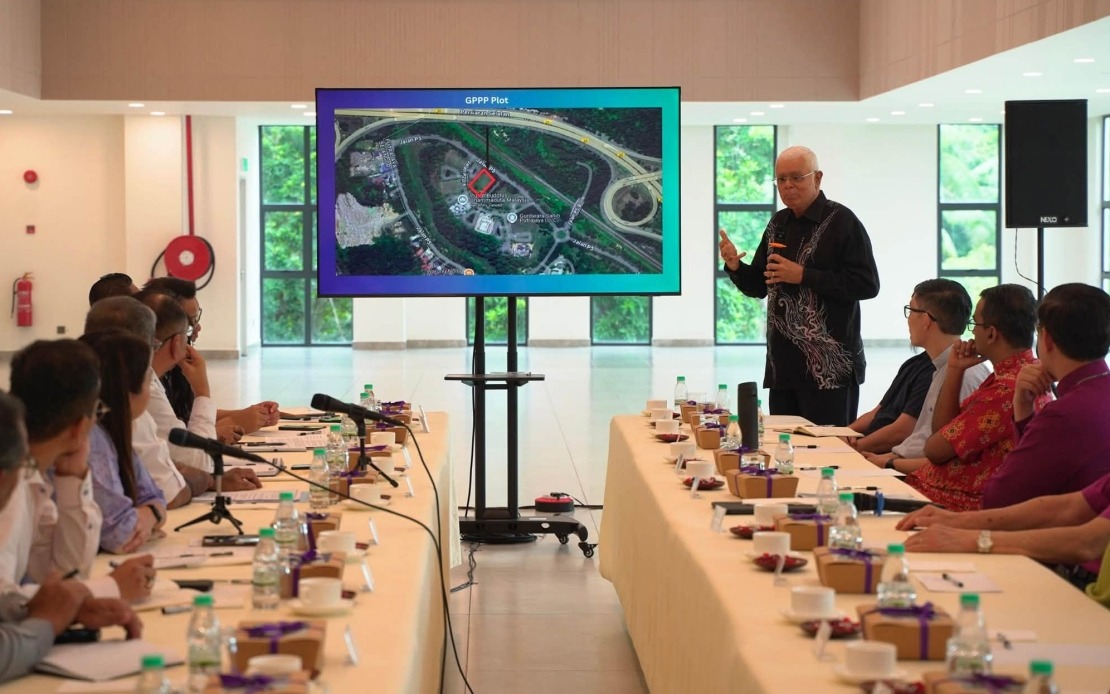
The federal government has designated multiple sites within Putrajaya's Precinct 20 for non-Muslim places of worship, a strategic initiative that has been in development since 2013, according to National Unity Minister Datuk Aaron Ago Dagang. This planned allocation demonstrates a deliberate approach to accommodating Malaysia's religious diversity within the capital's urban landscape, with the minister emphasising that the arrangement supports systematic and inclusive city planning rather than ad-hoc religious site allocation.
The development reflects broader policy objectives outlined in Putrajaya's Structure Plan 2050, specifically Policy 17, which envisions the federal territory as an inclusive and compassionate community where diverse populations coexist with mutual respect. By intentionally clustering interfaith infrastructure in a designated precinct, planners aim to create a geographical focal point for religious tolerance and peaceful coexistence among Malaysia's multireligious society. This geographical approach differs from scattered religious sites and instead fosters proximity and interaction among faith communities.
Aaron's statement, made during a joint visit with Minister in the Prime Minister's Department (Federal Territories) Hannah Yeoh to the newly established Prince of Peace Church in Precinct 20, underscores the government's active role in supporting this vision. The minister highlighted how the initiative aligns with the Harmoni MADANI programme launched by the National Unity Ministry in 2024, which promotes the foundational principles of understanding, respecting, accepting, and celebrating Malaysia's multireligious character across society.
Precinct 20 currently hosts several operational religious facilities. The Prince of Peace Church represents the newest addition to the precinct's growing interfaith landscape, while the Dhammaduta Malaysia Buddhist Centre has been serving the Buddhist community since 2023. This existing infrastructure demonstrates that the precinct is transitioning from planning stage to practical reality, with working facilities already accommodating worshippers from different traditions.
Multiple other major faith institutions are at various stages of development within the same precinct. The Gurdwara Sahib Putrajaya continues construction to serve Malaysia's Sikh community, while preparations advance for the Dewi Sri Lalithaambigai Alayam temple serving Hindu worshippers and the San Qing Taoist Temple catering to Taoist adherents. Additionally, a specifically designated site has been reserved for a future Roman Catholic church, ensuring comprehensive representation across major faith traditions practised in Malaysia.
The strategic clustering of these diverse religious institutions creates what officials describe as an interfaith hub—a concept gaining traction globally as cities recognise that proximity between faith communities can generate mutual understanding rather than conflict. By concentrating worship spaces, dialogue facilities, and interactive areas within Precinct 20, planners envision communities naturally encountering one another, potentially breaking down barriers through ordinary interaction and shared civic space. This model differs significantly from segregated religious zoning.
For Malaysian readers, this development carries particular significance given ongoing national conversations around religious harmony and social cohesion. Malaysia's constitutional framework guarantees freedom of religion alongside Islam's special position, yet practical implementation of religious infrastructure planning often generates political sensitivities. Putrajaya's approach demonstrates how systematic planning can accommodate this constitutional balance by proactively allocating spaces rather than responding reactively to requests, potentially reducing tensions that arise when communities perceive inequitable treatment.
The timing of these announcements also reflects the government's renewed emphasis on unity messaging following the 2023 national elections. By highlighting inclusive governance through religious site allocation, the administration signals commitment to managing Malaysia's religious diversity as a governance strength rather than a liability. This framing aims to distinguish Malaysia's model of managed religious pluralism from more fractious international examples.
From an urban planning perspective, Precinct 20's interfaith hub represents innovative thinking about how modern cities can physically embody social values. Rather than dispersing religious facilities throughout urban areas where they might generate neighbourhood conflict, concentrated development with proper facilities—parking, community spaces, event areas—demonstrates that coexistence requires adequate infrastructure and intentional design. This approach holds lessons for other Malaysian cities managing similar religious diversity.
The project's decade-long incubation period, from 2013 planning to 2024 implementation, suggests the government navigated significant coordination challenges involving multiple ministries, faith communities, and urban planners. This extended timeline underscores that interfaith infrastructure projects require stakeholder buy-in and careful consultation beyond typical construction timelines, though lengthy development periods can also frustrate community expectations.
Looking forward, Precinct 20's successful development could influence religious site allocation policies across Malaysia's other major urban centres. Cities such as Kuala Lumpur, Shah Alam, and George Town face similar pressures to accommodate growing religious communities within limited space, making Putrajaya's model potentially replicable. However, success depends on genuine community engagement extending beyond ceremonial ministerial visits, with ongoing dialogue between faith leaders and administrators maintaining harmony as populations grow.

