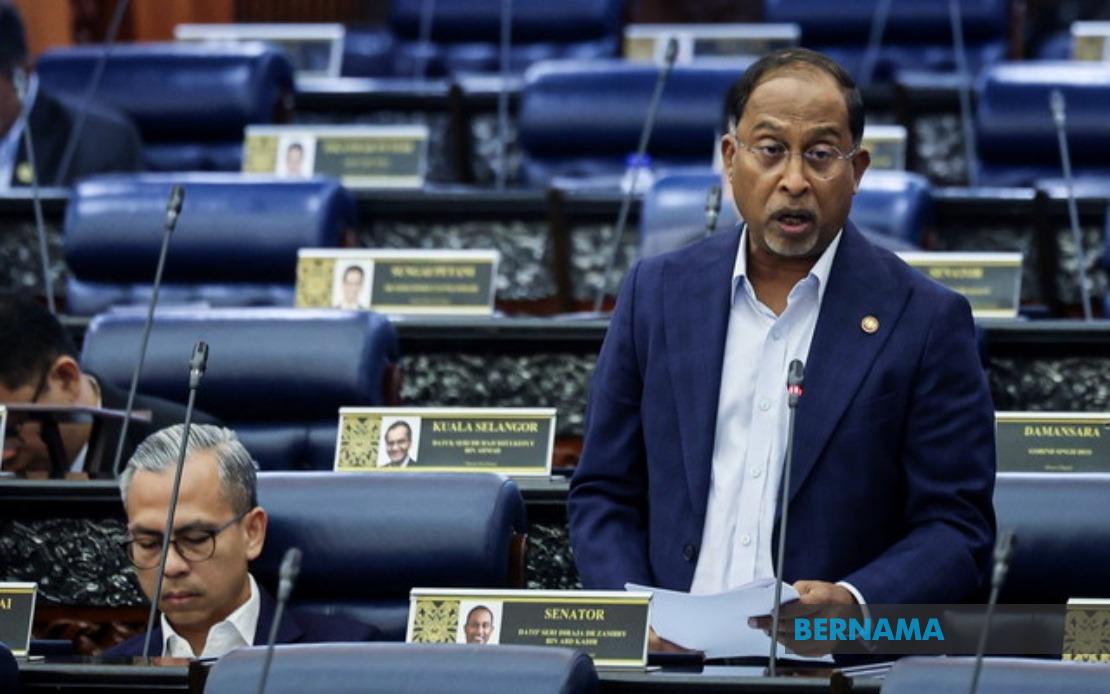
Malaysia's National Higher Education Fund Corporation (PTPTN) successfully recovered RM197 million in loan repayments during the twelve-month period through its network of debt negotiation agencies (APH), representing tangible progress in addressing the nation's student loan delinquency challenge. Higher Education Minister Datuk Seri Dr Zambry Abdul Kadir disclosed the figures at the Dewan Rakyat, emphasising that the recovery rate had climbed 6.4 per cent compared to the equivalent twelve-month stretch in the prior year, validating the approach adopted by these intermediary collection entities.
The improvement underscores a persistent tension in Malaysia's higher education financing landscape. PTPTN, which has disbursed loans to millions of Malaysian students over decades, faces mounting arrears as borrowers struggle with economic pressures and unemployment. The decision to engage external debt recovery agencies reflects the fund's attempt to balance aggressive collection with a social conscience—a delicate equilibrium that has drawn scrutiny from lawmakers concerned about vulnerable borrowers being subjected to aggressive recovery tactics.
As of May this year, PTPTN had transferred 103,418 borrower accounts to APH agencies, collectively representing arrears exceeding RM3 billion. These figures illustrate the scale of the challenge confronting policymakers. The referral process itself is highly selective: only borrowers with arrears stretching beyond 120 months—a full decade—and those against whom court judgments have been recorded are forwarded to APH. This threshold ensures that casual defaulters or those experiencing temporary hardship remain within PTPTN's direct management framework.
Zambry was careful to characterise the APH engagement not as punitive but rather as a targeted collection mechanism reserved exclusively for the most entrenched cases. He stressed that PTPTN's internal collection machinery must first exhaust its remedies before any account graduates to external agency handling. The minister's language reflected political sensitivity around the issue, particularly given recent parliamentary questions about oversight mechanisms and borrower safeguards. Lim Lip Eng from the Kepong constituency had specifically requested clarification on guidelines governing APH operations and the existence of special repayment pathways for borrowers experiencing genuine financial distress.
Crucially, Zambry asserted that even after accounts reach APH, negotiation pathways remain open. The ministry's position suggests that these agencies operate as intermediaries rather than enforcement arms, maintaining dialogue with borrowers to explore mutually acceptable settlement arrangements. This framing is important for Malaysian public discourse, where stories of aggressive debt collection have sparked concerns about borrower welfare and the fairness of loan recovery processes against individuals from modest socio-economic backgrounds.
The government has committed to individualised assessment protocols for borrowers facing financial difficulties. PTPTN legal officers are empowered to evaluate appeals and propose restructured repayment schedules tailored to each borrower's demonstrated capacity. The assessment framework incorporates multiple variables: current income levels, existing financial obligations, and the borrower's wider socio-economic circumstances. This approach theoretically prevents blanket enforcement that might devastate households already struggling with multiple debt obligations and uncertain employment.
The emphasis on fairness and prudence reflects broader policy objectives within Malaysia's higher education ecosystem. Policymakers recognise that overly harsh collection could drive borrowers toward informal lending markets or cultivate long-term resentment toward the tertiary education system itself. The PTPTN's dual role—as both creditor and social institution—requires it to preserve the integrity of the loan system while acknowledging that many borrowers face circumstances beyond their control.
The 6.4 per cent improvement in APH collections must be contextualised within Malaysia's wider economic landscape. With inflation pressuring household budgets and sectoral unemployment affecting certain demographics disproportionately, the modest recovery rate may reflect continued headwinds rather than robust borrower capacity. Young graduates in contested job markets or those working in precarious gig economy positions may struggle with fixed repayment obligations regardless of collection mechanism sophistication.
Regionally, Malaysia's approach invites comparison with other Southeast Asian nations managing substantial student loan portfolios. Countries like the Philippines and Indonesia grapple with similar delinquency challenges, though with varying degrees of institutional sophistication and borrower protection frameworks. Malaysia's recourse to APH agencies distinguishes its approach from purely in-house collection models, introducing private sector discipline while attempting to maintain humanistic oversight.
The transparency of the collection statistics and the minister's parliamentary responses suggest growing accountability expectations around PTPTN operations. Civil society organisations and opposition parliamentarians have increasingly scrutinised loan recovery practices, potentially restraining aggressive tactics. The appointment of APH agencies, while necessary for managing portfolio arrears, occurs within this context of heightened public interest and political oversight.
Looking forward, PTPTN faces perpetual pressure to balance fiscal sustainability with social responsibility. The RM3 billion in arrears among the 103,418 handed-over accounts represents concentrated institutional risk, but it also represents real households with deteriorating financial circumstances. The ministry's insistence that negotiation pathways remain available even post-referral suggests recognition that recovery divorced from borrower realities ultimately proves counterproductive.
The 6.4 per cent growth in APH-facilitated collections, while positive from a fiscal perspective, raises questions about whether current policy frameworks adequately address root causes of delinquency. Without parallel initiatives addressing borrower income trajectories, employment opportunities, or targeted debt relief for those in genuine hardship, collection improvements may simply represent marginal gains achieved through incremental pressure rather than systemic solutions.

