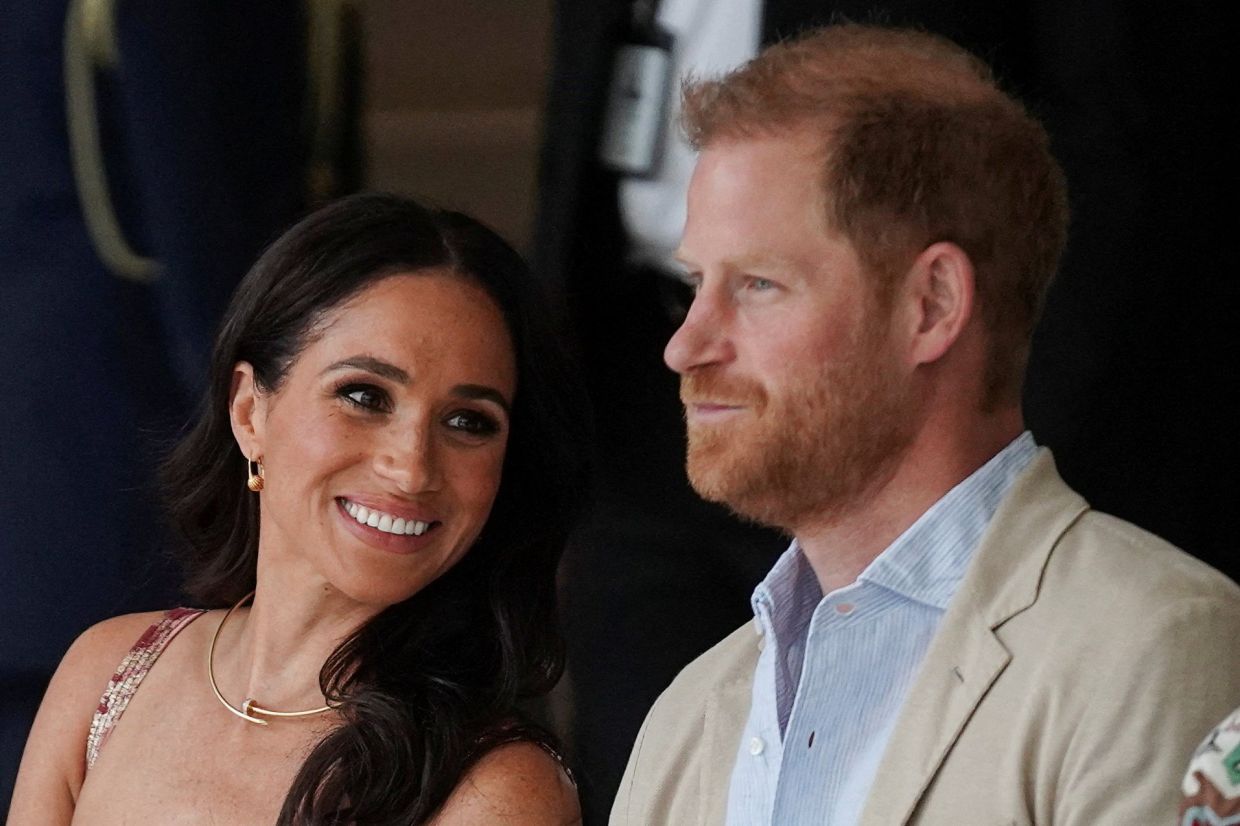
Prince Harry and Meghan have announced plans to return to the United Kingdom with their two children, though the move will not entail a resumption of their former roles as active members of the royal family, according to reports from British media outlets this week. The decision marks a significant shift in the couple's trajectory since they stepped back from official duties more than six years ago to pursue commercial ventures in California. Prince Archie, aged seven, and Princess Lilibet, aged five, have secured places at schools in Britain and are scheduled to begin their education in September.
The relocation represents a notable development in the ongoing saga of the Sussex family, particularly given the fraught history between Harry and Meghan and the wider royal household over the past several years. The couple's initial departure to Montecito in Southern California was facilitated by lucrative media and streaming partnerships, most prominently with Netflix and Spotify, which provided the financial independence they sought. That exit was accompanied by explosive revelations about their experiences within the institution, detailed through interviews and Harry's published memoir, which deepened the rift with the rest of the royal family.
A critical catalyst for the reunion announcement appears to be Harry's expressed desire for reconciliation with his father, King Charles III, who is currently undergoing treatment for cancer. The diagnosis has evidently prompted reflection on family relationships and the passage of time, with Harry publicly stating his eagerness to rebuild connections. In an interview with the BBC, the prince acknowledged the urgency: "I would love reconciliation with my family. There's no point in continuing to fight anymore. I don't know how much longer my father has." This candid admission signals a potential turning point after years of escalating confrontation.
The palace was formally notified of the couple's intentions on Sunday, a detail that underscores the significance of the announcement. Notably, King Charles was not apprised of their plans during their most recent visit to Britain last month, suggesting this decision developed after their face-to-face meetings. The couple's prior visit included time spent at the king's Highgrove estate, marking the first occasion since Queen Elizabeth II's platinum jubilee in 2022 that Archie and Lilibet had seen their grandfather. Such family moments appear to have influenced the trajectory toward this more permanent arrangement.
While Buckingham Palace has maintained its traditional stance of declining to comment on matters pertaining to non-working members of the royal family, and the Sussexes' representatives have similarly refrained from public statements, the timing and nature of the announcement reflect careful orchestration. The move signals an attempt at rapprochement without conceding the independence and autonomy that the couple has fought to maintain. By returning to the UK while explicitly remaining non-working royals, Harry and Meghan appear to be charting a middle path between their prior life and the institution they departed.
The legal complications shadowing this relocation cannot be overlooked. Harry remains embroiled in a protracted dispute with British tabloid publishers over alleged phone hacking and privacy violations, battles he has largely lost in court. Most significantly, the prince now faces a substantial financial liability following a recent judgment that held him and fellow plaintiffs responsible for Associated Newspapers' legal fees, estimated at £34.5 million. These legal entanglements have consumed considerable time and resources, yet the decision to relocate suggests Harry's calculation that proximity to family takes precedence over these persistent conflicts.
Security remains another contentious issue complicating the family's return to Britain. Harry has engaged in lengthy legal battles with the government over police protection for his family while in the UK, arguing that royal lineage justifies such safeguards regardless of working status. After losing that dispute last year, the prince expressed renewed commitment to family reconciliation, framing his security needs as incidental to his broader desire for reunion. The practical arrangements surrounding protection for his children at British schools will likely require negotiation and remain an underlying tension.
The implications of this move extend beyond the immediate Sussex family dynamics. The relocation will undoubtedly intensify existing tensions with Prince William, the heir to the throne, who has maintained distance from his brother throughout the estrangement. Former BBC royal correspondent Peter Hunt predicted that William would find the announcement deeply troubling, suggesting that Harry's physical presence in Britain will force difficult conversations that the prince might otherwise avoid. The growing proximity between Harry and Charles, if sustained, could create complications for William's future position and the family's internal politics.
For Malaysian and Southeast Asian observers, this development illustrates the persistent personal and political complexities that characterise modern monarchy, even within one of the world's most established royal institutions. The tension between institutional loyalty and individual autonomy, between public duty and family relationships, and between traditional hierarchies and contemporary values mirrors debates occurring across the region. Moreover, the commercial dimensions of the Sussexes' arrangement—their streaming contracts and media ventures—reflect broader trends about how public figures and former royals navigate the digital age and celebrity culture.
The return to the UK also raises questions about the couple's long-term intentions. Whether this marks the beginning of a gradual reintegration into British life or represents a temporary arrangement remains uncertain. The emphasis on non-working status suggests they will not seek restoration of official roles, yet the establishment of permanent residence and children's education in Britain indicates a fundamental shift in orientation. For a couple who have built their post-royal brand around independence and authenticity, the relocation represents a complex negotiation between past identity and future direction.

