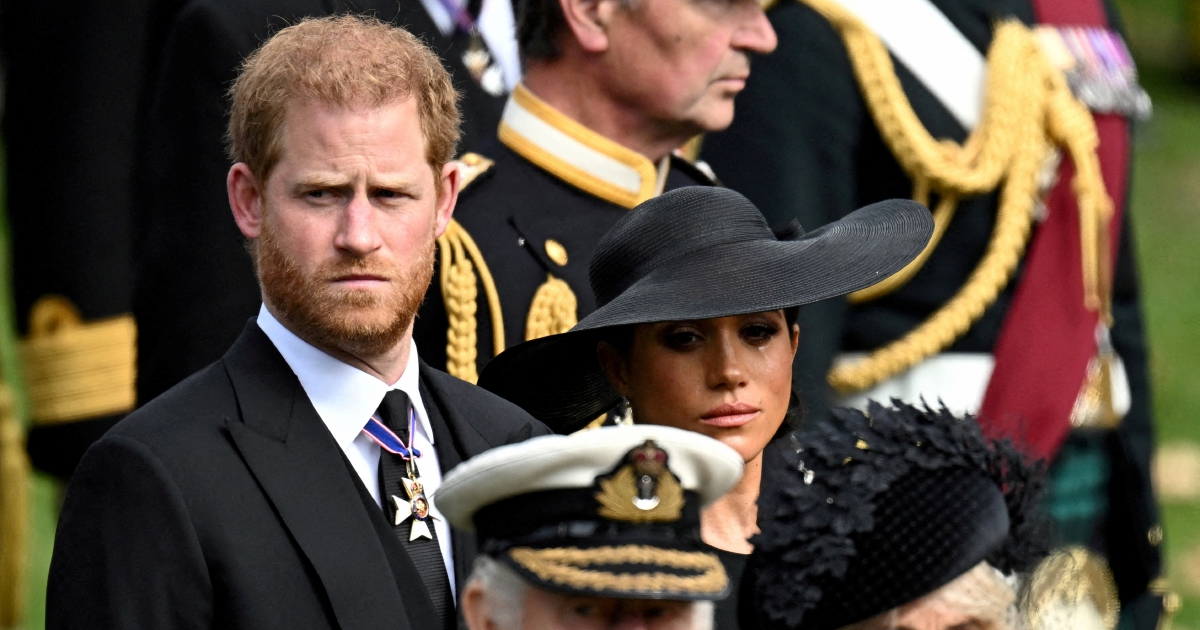
In a significant setback for privacy advocacy, Prince Harry and a coalition of high-profile celebrities including singer Elton John now face paying millions of pounds to cover the legal expenses of the Daily Mail's publisher following a judicial ruling that their privacy lawsuits were pursued in an unreasonable manner. The decision marks a pivotal moment in the ongoing tension between media freedom and celebrity privacy rights in Britain, with the financial burden potentially serving as a cautionary tale for other public figures considering similar legal action against established news organisations.
The ruling by the judge effectively reverses the momentum of the claimants, who had initiated their legal challenge against Associated Newspapers Limited with significant public support and media attention. The determination that their lawsuits lacked reasonable foundation suggests that the court found fundamental flaws in either the legal strategy or the substantive claims themselves, raising questions about how such high-profile cases are framed and presented to the judiciary.
Prince Harry's involvement in this case carries particular resonance given his well-documented grievances with sections of the British tabloid press. The royal has long maintained that invasive journalism and privacy violations drove him and his wife Meghan Markle away from the UK and ultimately across the Atlantic to establish their life in North America. This legal defeat appears to complicate his broader campaign against what he perceives as reckless media practices, though his legal team may still pursue alternative remedies or appeals.
The implication of Elton John alongside Prince Harry underscores that this was not merely a single individual's grudge but rather a coordinated effort by multiple victims of alleged media overreach. The singer, throughout his decades-long career, has been a vocal advocate for privacy protections and has previously taken legal action against publishers. His participation suggested that the case enjoyed substantial credibility among entertainment and public figures who have historically suffered from invasive coverage.
From a Malaysian and Southeast Asian perspective, this ruling carries implications for how media regulation and privacy protection operate in different jurisdictions. While Malaysia maintains its own media laws and privacy frameworks, the outcome of high-profile international cases shapes global conversations about the balance between press freedom and individual rights. The British judicial system's emphasis on the reasonableness of legal conduct demonstrates that even sympathetic claims can fail if pursued through improper mechanisms.
The financial consequences of the ruling extend beyond mere monetary penalties. Public figures contemplating legal action against major publishers must now factor in the risk that an unsuccessful case could saddle them with opponent's legal bills totalling millions. This creates a significant barrier to access to justice for those who cannot afford such potential liabilities, effectively privileging wealthy defendants and potentially discouraging legitimate privacy claims from proceeding through the courts.
Associated Newspapers Limited, which operates the Daily Mail and Mail on Sunday, represents one of Britain's most powerful media enterprises. The publisher's victory in this case strengthens its position in ongoing disputes with other claimants and reinforces established media companies' ability to weather legal challenges from public figures. The ruling may embolden other publishers to contest similar claims more aggressively, knowing that courts may penalise what they view as unreasonable legal strategies.
The decision also reveals tensions within contemporary approaches to privacy litigation in common law jurisdictions. British courts have progressively expanded privacy protections over recent decades, particularly following the implementation of the Human Rights Act and its incorporation of European privacy standards. However, this ruling suggests that judges remain willing to apply procedural constraints and reasonableness tests that can undermine substantive privacy claims, even when dealing with sympathetic claimants.
For Malaysian observers, the case demonstrates how media regulation operates differently across Commonwealth jurisdictions. While Malaysia has defamation and privacy frameworks, British courts show greater willingness to examine the procedural propriety of how cases are conducted, not merely their substantive merits. This reflects broader differences in judicial philosophy and the emphasis placed on fairness in legal process across different systems.
The immediate aftermath of the ruling will likely see the named claimants consulting with their legal advisers about potential appeals or alternative remedies. British law does permit challenges to certain judicial decisions, though the threshold for overturning a judge's ruling on procedural matters remains high. Meanwhile, other public figures who have considered similar legal action will be monitoring developments closely, weighing the personal costs of continued litigation against privacy concerns.
Beyond the immediate financial implications, this case crystallises a broader question about celebrity power and media accountability. While Prince Harry and Elton John possess considerable resources to absorb financial penalties, the precedent may disadvantage less wealthy individuals facing similar privacy violations. The ruling thus potentially creates a two-tier system where only the exceptionally wealthy can afford to challenge powerful publishers, fundamentally affecting access to justice in privacy matters.

