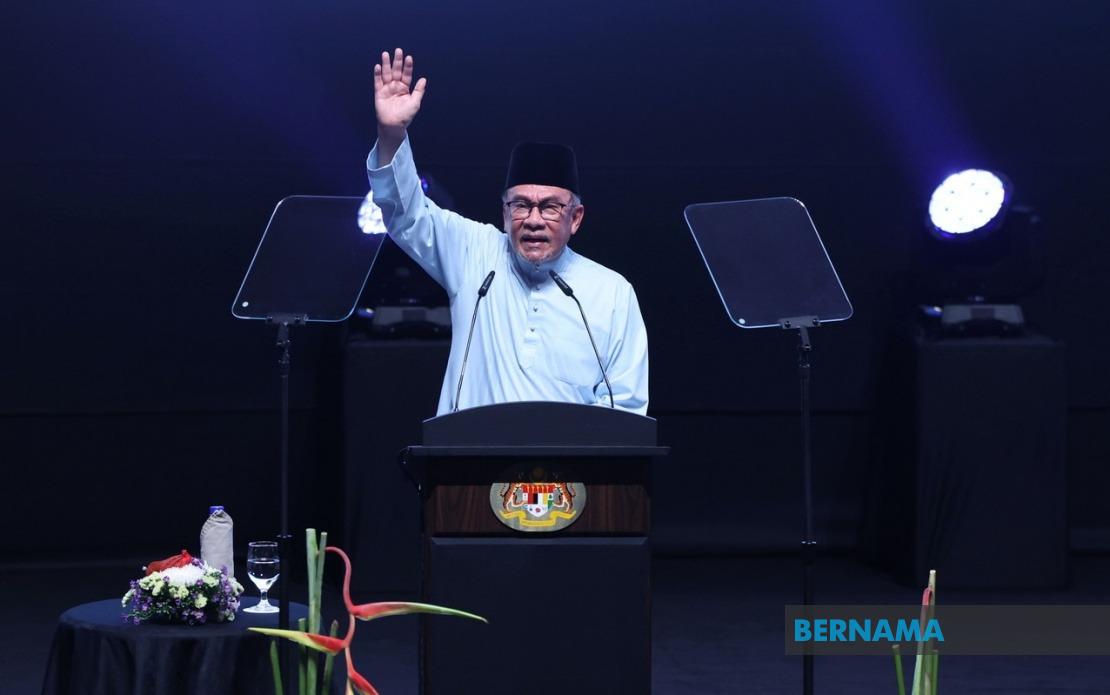
Malaysia's 2026 National Day Prime Minister's Address Ceremony will take place at the Putrajaya International Convention Centre at 2 pm, according to an announcement by the Ministry of National Unity. The timing and venue selection follow careful consideration of current environmental conditions affecting the country, particularly the haze that has impacted several states across the region.
The relocation of the ceremony from its traditional home at Dataran Merdeka in Kuala Lumpur represents a significant logistical decision by the National Day and Malaysia Day 2026 Celebration Working Committee, which falls under the purview of the Ministry of Communications. Organisers attributed the move to persistent haze conditions that have affected air quality across multiple states, prompting a reassessment of the original arrangements to prioritise attendee wellbeing.
The Malaysian Meteorological Department had previously warned of deteriorating air conditions, with forecasts indicating hazy weather in Sabah and high haze concentrations expected to persist in Johor, Melaka, Negeri Sembilan, Selangor, Kuala Lumpur and Putrajaya through to August 31. By shifting the venue indoors to PICC's controlled environment, officials aim to shield guests and the general public from exposure to poor air quality while maintaining the dignity and significance of the national occasion.
According to the Ministry of National Unity's statement, the decision prioritised three key considerations: ensuring the safety of attendees, protecting public health, and maintaining comfort levels for all participants. The 2 pm start time was selected to align with these protective measures while allowing sufficient preparation time for the ceremony's execution.
The Prime Minister's address represents a cornerstone event in Malaysia's annual National Day commemorations. The ceremony serves as a platform through which the MADANI government articulates its vision and developmental aspirations for the nation. Beyond the immediate policy pronouncements, the occasion traditionally provides an opportunity to reinforce the government's commitment to fostering national pride and reinforcing the bonds of citizenship among Malaysians.
The Ministry of National Unity emphasised that the 2026 ceremony retains its fundamental purpose: to reflect the nation's hopes, strengthen patriotism, and deepen public attachment to Malaysia's founding ideals and democratic values. The event aims to channel the collective spirit of independence that characterises the national consciousness while reaffirming commitments to unity and social cohesion.
Invitations have been extended broadly across Malaysian society, with organisers encouraging participation from all communities as a demonstration of solidarity and shared national purpose. This inclusive approach underscores the government's stated commitment to celebrating diversity and building consensus around core national values, particularly the principles of mutual respect, acceptance of pluralism, and collective responsibility for the nation's future.
From a practical standpoint, the shift to PICC offers several operational advantages beyond environmental protection. The venue provides climate-controlled facilities with modern audio-visual capabilities, ensuring that the Prime Minister's address reaches a wide audience both in attendance and through media broadcasts. This technological capacity allows the government to maximise the reach and impact of its National Day messaging.
The haze situation reflects broader environmental challenges affecting Southeast Asia, with transboundary air pollution patterns influencing national event planning across the region. For Malaysia, where air quality fluctuations are seasonal and occasionally severe, official decisions to modify outdoor ceremonies have become increasingly common during vulnerable periods. The shift to indoor venues represents pragmatic governance responsive to climatic realities.
Looking ahead, the PICC venue choice may establish a precedent for future National Day ceremonies, particularly given climate variability projections. Indoor venues provide organisational flexibility for managing such events regardless of meteorological conditions, though traditionalists may note the symbolic significance of Dataran Merdeka's historical connection to Malaysian independence and national celebrations.
The government's communication around this adjustment emphasises consensus-building and public participation. By framing the venue change as a measure to enhance rather than diminish the occasion, authorities hope to maintain public enthusiasm for National Day observances while managing environmental risks transparently. The inclusive messaging reflects efforts to present governance decisions as responsive to citizen welfare rather than as administrative impositions.
Malaysians attending the PICC ceremony will participate in a carefully orchestrated programme designed to project national unity and governmental competence. The controlled environment allows organisers to manage logistics precisely, though observers might reflect on what is gained and lost when such significant national moments transition from public squares to convention centre interiors.
As the date approaches, the government will likely provide further operational details regarding ticketing, security arrangements, and media access. The shift to PICC represents a minor but symbolically laden adjustment to Malaysian national ceremony protocols, reflecting how contemporary governance must balance tradition with practical responsiveness to environmental and health considerations affecting national events.

