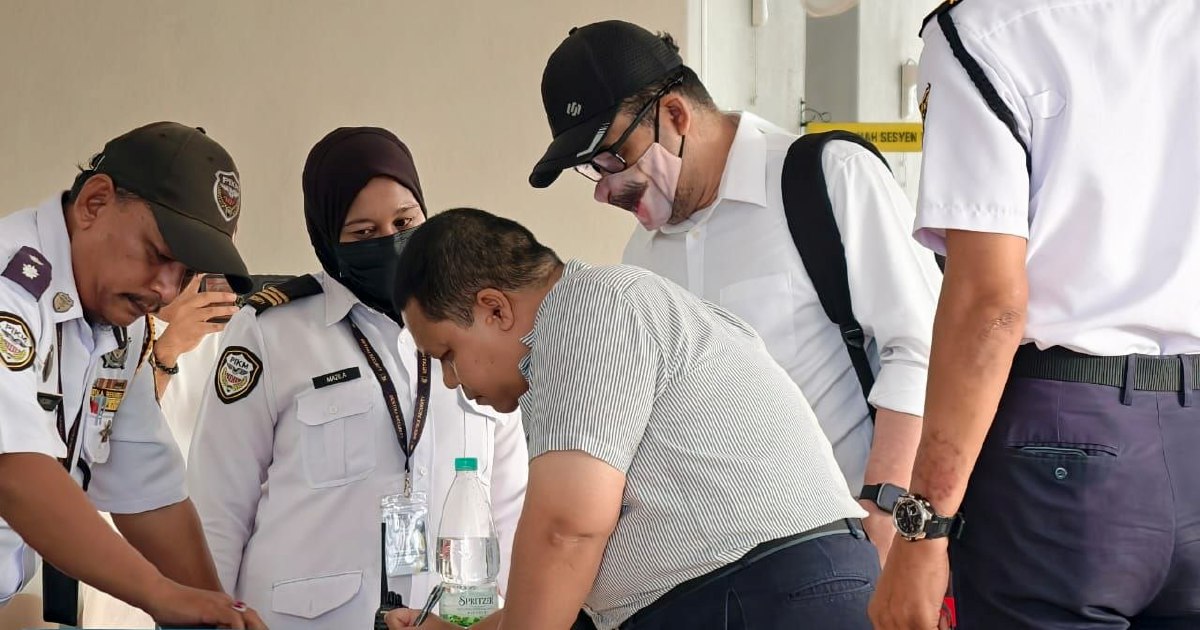
A preschool teacher appeared before the Sessions Court in Seremban today to face two separate charges relating to the physical sexual assault of an 8-year-old male pupil. The alleged offences are said to have occurred in April, marking another troubling case of child abuse within an educational environment.
The formal charges represent a significant development in protecting children's welfare within Malaysia's early childhood education system. Preschools serve as primary environments where young children spend considerable time away from parental supervision, making institutional safeguards critically important. This case underscores ongoing vulnerabilities in monitoring and accountability mechanisms that remain inadequately addressed across numerous educational facilities nationwide.
Allegations involving educators and young children carry particular gravity given the inherent power imbalance and trust dynamics present in such relationships. Parents entrust educational institutions with their children's physical and psychological wellbeing, assuming reasonably that proper screening, training, and oversight protocols are firmly established. When such fundamental trust is violated, consequences ripple far beyond individual victims to affect community confidence in the entire preschool sector.
The specific circumstances surrounding this April incident have prompted heightened scrutiny regarding institutional response procedures. Early intervention and appropriate reporting channels prove decisive in both protecting additional potential victims and ensuring swift justice. Authorities and educational bodies must examine whether existing complaint mechanisms functioned effectively or whether systemic gaps enabled prolonged misconduct.
This prosecution reflects increasing legal action against perpetrators of child sexual abuse, a positive development indicating stronger enforcement. However, legal accountability represents merely one component of comprehensive child protection frameworks. Prevention through rigorous staff vetting, continuous training, environmental design that maximises supervision, and creating safe reporting channels for children themselves remain equally essential preventative measures.
The preschool sector across Southeast Asia has faced recurring challenges regarding child safety standards. Many facilities operate with minimal regulatory oversight, inconsistent background check procedures, and inadequate trauma-informed training for staff. Malaysia's ongoing development of stronger institutional standards provides opportunity to establish benchmarks that other regional jurisdictions might emulate, potentially elevating safeguarding practices throughout the region.
Children of this age frequently lack sophisticated communication abilities regarding abuse, complicating detection and reporting. Educators, healthcare providers, and family members require training to recognise behavioural and physical indicators that might signal abuse. Creating environments where children feel empowered to communicate discomfort or inappropriate contact constitutes a foundational protective strategy that unfortunately remains underinstitutionalised across many Malaysian preschools.
The broader implications extend beyond individual accountability to encompass systematic reform. Professional bodies overseeing educators must establish mandatory reporting requirements, standardised training curricula addressing appropriate boundaries and child protection, and regular review processes. Parents similarly deserve access to transparent information regarding their children's daily interactions and institutional safety protocols.
Community awareness campaigns addressing child safety and available reporting mechanisms can empower families to recognise warning signs and take protective action. Many incidents remain unreported due to parental uncertainty regarding proper channels or fear of institutional retaliation. Establishing anonymous reporting systems and publicising support services for affected families encourages disclosure and investigation.
This case serves as reminder that institutional settings frequented by children warrant continuous vigilance and evolution in protective frameworks. While prosecution provides justice for victims, preventing future incidents demands proactive investment in screening processes, environmental safeguards, and cultural shifts prioritising child welfare above institutional reputation or convenience. The education sector must recognise that comprehensive child protection represents not ancillary burden but foundational professional responsibility.
As proceedings continue, attention should focus equally on supporting the affected child through trauma recovery services. Psychological support, medical care, and familial counselling remain critical for healing and preventing long-term developmental consequences. Educational institutions bear responsibility for facilitating such support pathways and collaborating with health authorities to ensure comprehensive victim assistance.
The Seremban case contributes to national discourse regarding child protection policy development. Policymakers reviewing current legislation and institutional regulations have opportunity to incorporate lessons learned from this and similar cases, establishing more robust safeguarding standards that other nations might reference. Malaysia's response to such incidents ultimately reflects societal commitment to prioritising vulnerable children's fundamental rights and security.

