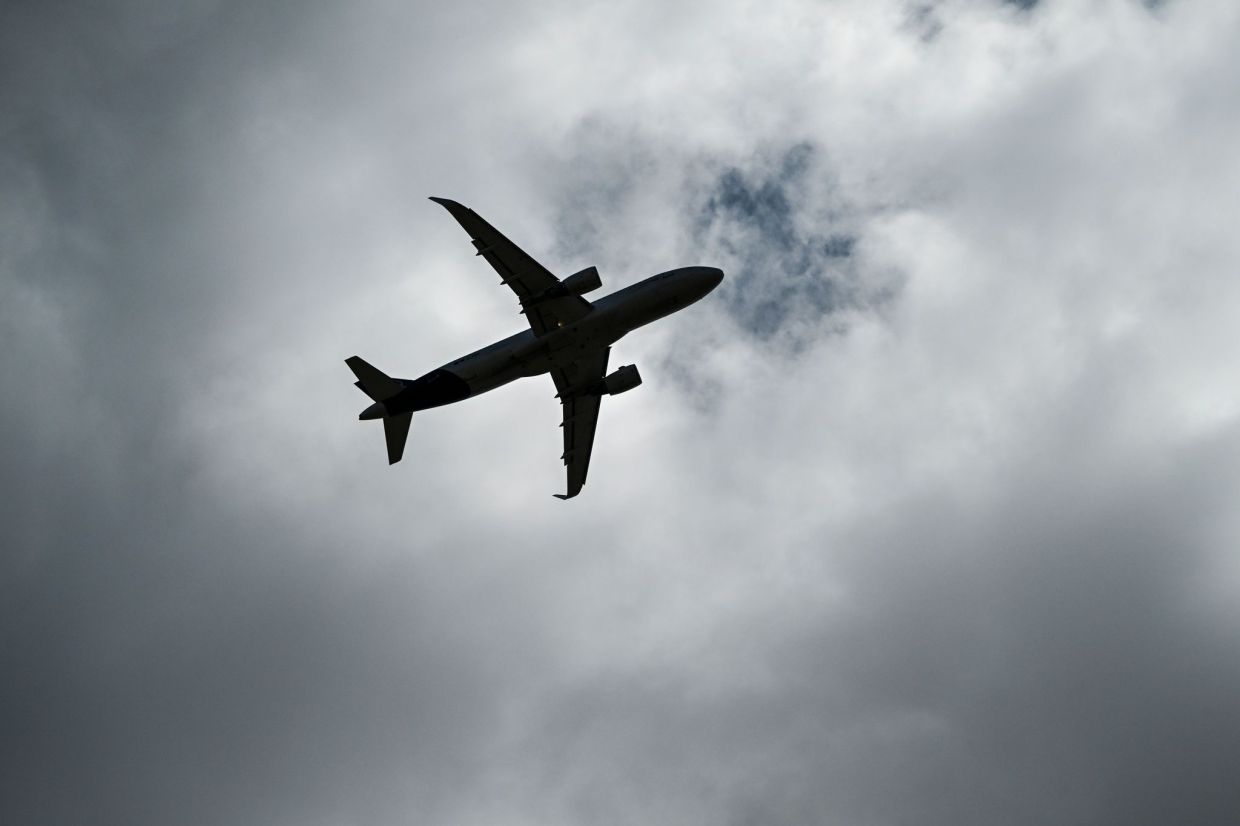
A Swiss International Air Lines flight bound for Boston was forced to divert to Dublin after a passenger's power bank began emitting smoke mid-flight, prompting the airline to issue an urgent descent. The incident represents the second emergency caused by malfunctioning portable electronic devices aboard Lufthansa Group carriers within a fortnight, underscoring growing safety concerns around battery-powered accessories in cabin environments where rapid containment is challenging.
The flight carrying 206 passengers experienced smoke developing in the cabin due to the power bank malfunction. While the situation triggered an emergency signal that granted the aircraft priority landing status, Swiss clarified that this was not formally classified as an emergency landing despite the precautionary nature of the diversion. Passengers were subsequently accommodated in hotels in Dublin while the airline coordinated alternative travel arrangements to their intended destination.
Just weeks prior, another Swiss flight travelling from Zurich to New York had made an unscheduled landing in Bangor, Maine, when smoke appeared in the cabin. That incident stemmed from a charging case for wireless headphones that had become wedged between seats, where it was damaged and subsequently ignited. The proximity of these two incidents has drawn attention to the cumulative risk posed by lithium-ion batteries and electronic charging devices that passengers routinely carry aboard commercial aircraft.
Lufthansa Group, the parent company overseeing Swiss and multiple other European carriers, implemented comprehensive restrictions on portable power banks at the beginning of 2026 in response to escalating safety risks. Under the updated policy, passengers are prohibited from using or charging power banks during flight. The airline permits each traveller to carry no more than two units in carry-on baggage, with strict requirements governing where these devices may be stored and used.
According to Lufthansa's regulations, power banks must remain in seat pockets, on the passenger's person, or in carry-on luggage positioned beneath seats. Critically, the airline forbids transporting these devices in checked baggage or storing them in overhead compartments, recognising that fires in inaccessible cargo holds present significantly greater hazards than those in pressurised cabins where crew can respond. The airline emphasises that power banks with capacities between 100 watt-hours and 160 watt-hours require advance approval from the carrier, with approved medical devices exempted from the restrictions.
These guidelines align with recommendations issued by international aviation safety authorities, reflecting growing consensus about the dangers posed by lithium-ion batteries in aircraft environments. The batteries' propensity to enter thermal runaway—a chain reaction of internal chemical degradation that generates intense heat—makes them particularly problematic at altitude where cabin pressure and ventilation systems differ markedly from ground conditions. Once initiated, thermal runaway is nearly impossible to extinguish using conventional fire suppression methods, making prevention through careful storage and usage protocols the primary defence.
Lufthansa has extended equivalent restrictions to electronic cigarettes, which contain similar battery technology and pose comparable risks. Passengers are forbidden from charging e-cigarettes aboard aircraft, and these devices are subject to the same storage limitations as power banks. The prohibition reflects recognition that vaping devices, while smaller than traditional power banks, utilise identical lithium-based cells vulnerable to the same failure modes.
For Malaysian and Southeast Asian travellers planning to fly with Lufthansa Group carriers—including Swiss, Austrian Airlines, Brussels Airlines, and regional partners—familiarity with these policies has become essential. Many passengers accustomed to carrying multiple charging devices for extended international journeys may face restrictions that differ substantially from their home carriers. Airlines operating within the region, including Malaysia Airlines, AirAsia, and Singapore Airlines, maintain their own policies regarding portable electronics, necessitating advance research before packing.
The repeated nature of these incidents underscores a broader challenge facing the aviation industry: reconciling passenger expectations for continuous device connectivity with the physical realities of operating pressurised aircraft carrying hundreds of people. As international travel rebounds to pre-pandemic levels and travellers increasingly depend on smartphones, tablets, and laptops, portable charging solutions have become viewed as essential rather than luxury items. The tension between convenience and safety has crystallised around these incidents.
Airlines face a delicate balance in communicating safety requirements without appearing obstructionist or technology-adverse. Many passengers remain unaware of lithium-ion battery hazards, viewing power banks as innocuous consumer electronics rather than potential fire sources. The diversion to Dublin, while safely managed by trained Swiss crews, carries real costs: passenger inconvenience, hotel expenses, schedule disruptions, and reputational impact. Yet incidents that conclude without injury or major damage remain far preferable to the catastrophic scenarios that uncontrolled cabin fires could produce.
Lufthansa's decision to implement these restrictions ahead of regulatory mandates signals anticipatory risk management rather than reactive policymaking. As other global carriers observe these incidents and assess their own exposure, similar policies may proliferate across the industry. Passengers travelling in coming months should consult their airline's website or contact customer service before departure, ensuring their portable devices comply with on-board regulations and are properly stored throughout their journey.
The Dublin diversion ultimately achieved its intended outcome: the malfunctioning power bank was safely contained, passengers reached their destination with minimal harm, and the incident generated valuable data informing future aviation safety protocols. Yet the recurrence of such incidents within a two-week window suggests that passenger education, rather than technical fixes alone, remains aviation's most pressing challenge.

