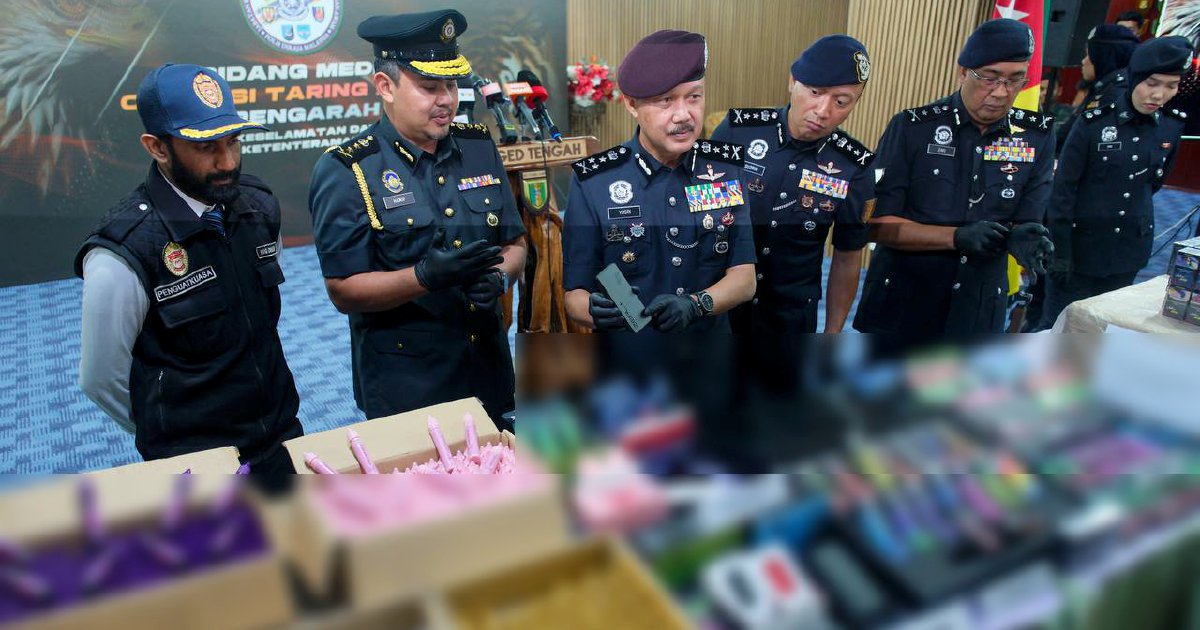
The Royal Malaysian Police have dealt a substantial blow to organized tobacco and nicotine smuggling networks operating across Selangor, with enforcement teams conducting two coordinated raids that netted contraband cigarettes and vape products valued at more than RM15.5 million. The operations, executed late last month, represent an escalating crackdown on what police sources characterize as increasingly sophisticated distribution syndicates trafficking in illicit nicotine products across Malaysia's most populous state.
Selangor, as the commercial and industrial hub of the country, has long served as a critical entry and redistribution point for smuggled goods destined for Malaysian markets and neighboring regions. The concentration of major ports, highways, and industrial zones throughout the state creates multiple vulnerabilities that trafficking organizations have historically exploited to move contraband across the nation. The scale of this particular operation suggests that authorities are intensifying surveillance and intelligence-gathering efforts to dismantle networks that had previously operated with relative impunity.
The seizure reflects growing tensions between government revenue protection objectives and the proliferation of illicit vaping and tobacco products in Southeast Asia. Customs duties and excise taxes on tobacco products represent a significant revenue stream for the federal government, and widespread smuggling directly undermines public health policy objectives tied to nicotine regulation. The concurrent targeting of both traditional contraband cigarettes and vape products indicates that authorities view the two categories as part of an integrated illegal supply chain rather than separate enforcement challenges.
Vape products have emerged as a particular enforcement concern across Malaysia in recent years, occupying an ambiguous regulatory position that complicates official responses. While certain vaping products remain technically legal for personal import in limited quantities, large-scale trafficking clearly violates customs regulations and illicit trade legislation. The prominence of vaping products in these raids underscores a broader regional trend, with similar operations reported across Thailand, Singapore, and Indonesia as authorities grapple with controlling the distribution of increasingly popular nicotine delivery devices.
The involvement of organized syndicates, as referenced in official statements, suggests that these smuggling operations have evolved beyond informal entrepreneurial activity into structured criminal enterprises with specialized functions. Such organizations typically maintain dedicated networks for procurement, transportation, warehousing, and distribution, often incorporating corruption or coercion to facilitate their operations. The targeting of "syndicates" specifically indicates that police believe they have identified hierarchical organizations meriting sustained investigation beyond the immediate seizures.
For Malaysian consumers and public health officials, the proliferation of smuggled vaping products presents multiple concerns beyond simple customs violations. Counterfeit and unauthorized vaping products sold through illicit channels frequently lack quality control standards, potentially exposing users to harmful or contaminated substances. The inability of health authorities to track the composition and safety profiles of illicit products complicates efforts to monitor adverse health outcomes and respond to emerging public health threats related to nicotine consumption.
The RM15.5 million valuation, while substantial, likely represents only a fraction of the total contraband circulating through Selangor during any given period. Law enforcement agencies typically estimate that seizures represent a small percentage of overall smuggling volume, suggesting that these raids have interrupted only one operational segment of larger distribution networks. The raids' timing and geographic focus may indicate that police intelligence units have identified specific vulnerabilities or opportunities within broader smuggling infrastructures.
Successful enforcement against smuggling networks requires sustained coordination between multiple agencies, including the Royal Malaysian Police, Malaysian Customs Department, and increasingly, specialized financial intelligence units tracking the proceeds of organized smuggling. The apparent coordination demonstrated in these two simultaneous operations suggests improved inter-agency collaboration, though enforcement experts note that disrupting established supply chains typically requires extended investigations targeting not merely street-level distribution but upstream procurement and financial flows.
The concentration of smuggling activities in Selangor has broader implications for national security and organized crime control. Criminal syndicates engaged in tobacco and nicotine trafficking often maintain connections to networks involved in drug trafficking, human smuggling, and other transnational organized crime activities. Dismantling one smuggling operation frequently reveals connections to broader criminal enterprises, providing authorities with intelligence opportunities extending beyond customs violations.
Looking forward, these enforcement actions will likely prompt smuggling organizations to adjust their operational patterns, potentially shifting routes or methods to circumvent intensified police presence in Selangor. The sustainability of enforcement gains depends on maintaining investigative pressure and closing identified vulnerabilities in border and port security. Regional cooperation, particularly with Singapore and Indonesia, has become increasingly important given the cross-border nature of Southeast Asian smuggling networks.
For Malaysian businesses operating legitimately in tobacco and vaping sectors, large-scale smuggling operations create significant competitive distortions by undercutting legal suppliers through tax avoidance and avoiding compliance costs. The enforcement effort therefore serves not merely public health and revenue protection objectives but also market integrity interests among compliant commercial operators. The RM15.5 million seizure represents both a victory for customs authorities and an acknowledgment of the ongoing challenge posed by sophisticated international smuggling networks operating within Malaysian territory.

