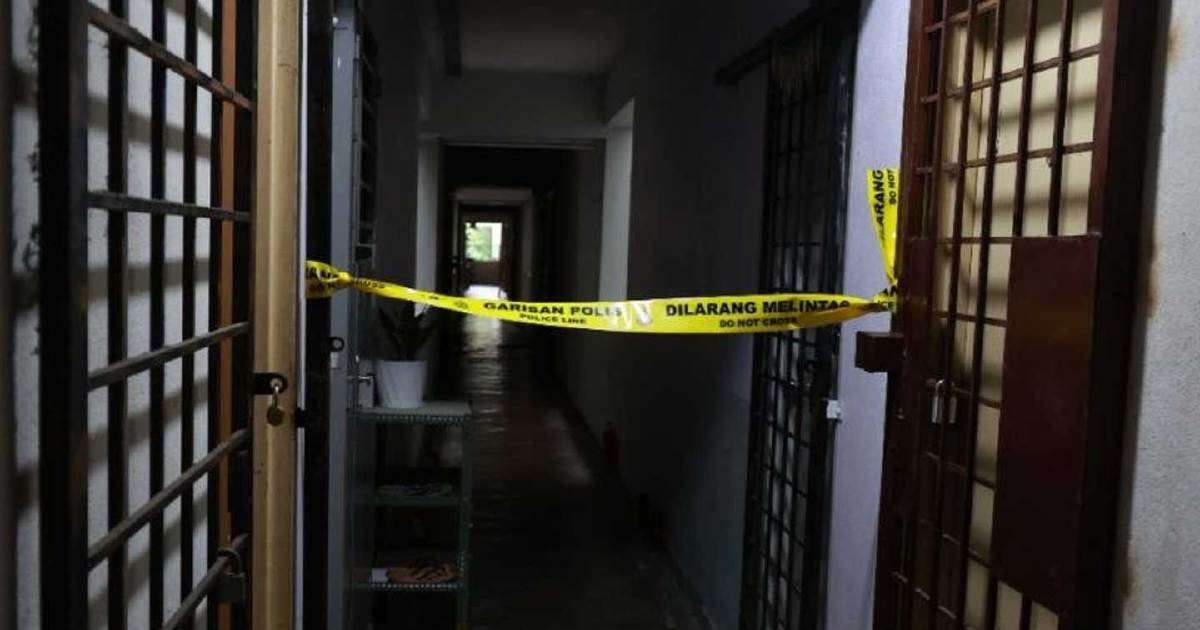
Police have initiated a formal murder investigation following the discovery of a deceased woman's body concealed within luggage at a residential property in Taman Impian Indah, Kajang. The finding represents a significant development in what authorities are now treating as a criminal homicide case, with investigators pursuing multiple leads and conducting preliminary forensic examinations at the scene.
The circumstances surrounding the discovery highlight growing concerns about personal safety within suburban residential communities across the Klang Valley. Taman Impian Indah, a moderately populated neighbourhood in Kajang, has previously maintained a relatively stable crime profile, making this incident particularly alarming to area residents and community leaders who are now questioning security vulnerabilities in their midst.
Detectives have begun systematic interviews with occupants of the residence and neighbouring properties as part of the initial investigative phase. The methodical approach suggests authorities are treating the case with appropriate seriousness, recognizing that early witness accounts and scene evidence often prove crucial in establishing both timeline and motive. Preliminary assessments indicate the body showed signs consistent with deliberate concealment, suggesting premeditation rather than accidental circumstances.
The method of disposal—secreting the victim within luggage—indicates the perpetrator may have possessed knowledge of, or access to, the residence and possessed sufficient time to arrange the concealment undisturbed. This particular detail has led investigators to focus on individuals with connections to the household, though authorities are maintaining an open investigative posture pending further forensic and testimonial evidence.
Forensic specialists have been deployed to conduct thorough examinations of the luggage, surrounding premises, and any related items that might yield biological, chemical, or trace evidence. The expertise required for contemporary murder investigations often extends beyond basic police capabilities, with specialist pathologists, forensic scientists, and crime scene analysts now involved in documenting and analyzing physical evidence.
For Malaysian law enforcement, cases involving deliberate body concealment typically warrant elevated investigative resources. The Kajang police district, operating under the Royal Malaysia Police's Selangor contingent, has extensive experience managing complex criminal matters within their jurisdiction and access to state-level specialist units. Cooperation with the Federal Criminal Investigation Department may also be engaged depending on investigative requirements and case complexity.
The discovery raises questions about how such concealment might have occurred without immediate detection in an inhabited residential setting. Neighbours' awareness—or lack thereof—regarding unusual activities, deliveries, or behaviour at the property becomes particularly significant. Investigators typically reconstruct recent visitor patterns, vehicle movements, and household routines to establish a credible timeline for when the body was concealed.
From a broader Malaysian perspective, this incident underscores the continuing reality of homicides within suburban environments, contradicting assumptions that violent crime remains confined to specific geographical or socioeconomic areas. Community-based crime prevention initiatives, residential security enhancements, and neighbour-watch coordination have gained renewed emphasis following discoveries of serious offences in otherwise ordinary residential neighbourhoods.
The psychological impact on Taman Impian Indah residents is likely substantial, particularly given the violation of domestic space represented by a homicide occurrence within a private residence. Local authorities often increase police patrols and visibility in affected areas following such incidents, both as a genuine security measure and as a confidence-rebuilding gesture toward anxious communities.
Investigators will now pursue multiple parallel investigative threads: establishing the victim's identity and recent movements, determining cause of death through autopsy, identifying and interviewing persons with household access, examining financial or relationship motivations, and reconstructing the timeline between the woman's disappearance and body discovery. Each element contributes incrementally to building prosecution-ready evidence.
The case exemplifies how Malaysian police continue adapting investigative methodologies to contemporary criminal sophistication. Modern homicide investigations increasingly depend on digital forensics, communications analysis, and financial record examination alongside traditional detective work. Cellular telephone data, social media activity, banking transactions, and surveillance footage from surrounding properties all potentially illuminate circumstances surrounding serious crimes.
Police have appealed for public assistance, recognising that community members often possess information crucial to investigation progression. Any individuals observing unusual activity at the Taman Impian Indah address during relevant timeframes are encouraged to contact investigating officers with relevant details, assurance of confidentiality protecting legitimate witnesses from potential complications.

