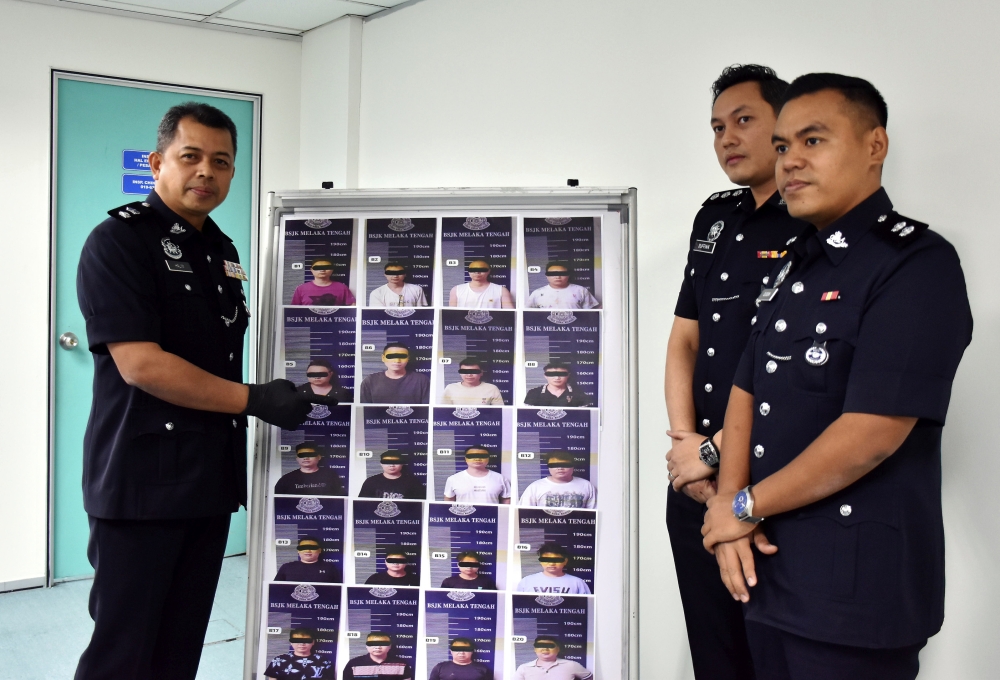
Law enforcement authorities in Melaka have moved decisively against an organised fraud syndicate, apprehending 21 Chinese nationals believed to be the masterminds behind an elaborate investment deception scheme. The operation represents a significant crackdown on transnational financial crime that has become increasingly prevalent across the region, with the syndicate allegedly targeting vulnerable victims across multiple countries through false promises of lucrative returns.
The investigation unveiled a complex criminal network operating from bases in Malaysia while maintaining connections across Southeast Asia and beyond. Such cross-border operations have become hallmarks of modern cybercrime, where perpetrators exploit geographical distance and jurisdictional boundaries to evade detection. The scale of this particular syndicate suggests a well-coordinated enterprise with sophisticated infrastructure designed to process fraudulent transactions and maintain victim databases.
Investment fraud schemes of this nature typically operate by luring targets with unrealistic profit projections, leveraging social media platforms, encrypted messaging applications, and cryptocurrency channels to maintain anonymity. Victims are often convinced to transfer funds under the guise of legitimate business opportunities in sectors such as artificial intelligence, real estate development, or technology ventures. The psychological manipulation employed by such operations frequently targets individuals with limited financial literacy or those seeking quick wealth accumulation.
The timing of this bust coincides with broader regional concerns about online financial crimes. Southeast Asia has emerged as both a significant source and victim of digital fraud operations, with criminal networks increasingly relocating to the region to exploit weaker regulatory oversight in certain jurisdictions. Malaysia's strategic position as a regional hub makes it particularly attractive to transnational criminal organisations seeking operational bases.
Authorities' successful identification and arrest of the syndicate members required extensive coordination between local police units and intelligence agencies. The operation likely involved months of surveillance, financial transaction analysis, and cooperation with telecommunications providers to trace communication patterns. Such investigations demand considerable resources and expertise in digital forensics, making the bust a notable achievement for Malaysian law enforcement capabilities.
The victims of such schemes face not only substantial financial losses but also prolonged emotional trauma from the betrayal of trust. Investment fraudsters deliberately cultivate relationships with targets, sometimes engaging in months of communication to establish credibility before requesting fund transfers. This emotional dimension of fraud makes it particularly insidious compared to other criminal activities, as victims often delay reporting incidents due to embarrassment or misplaced self-blame.
The proliferation of investment scams reflects broader vulnerabilities in the digital financial ecosystem. While technological advancement has facilitated legitimate commerce and investment opportunities, it has simultaneously created new avenues for exploitation. Victims in Malaysia and throughout the region have increasingly reported sophisticated schemes that mimic legitimate financial platforms, complete with fabricated trading histories and fake testimonials from purported beneficiaries.
Malaysian regulatory bodies, including the Securities Commission and central bank, have intensified warnings about unlicensed investment schemes. However, education and enforcement remain asymmetrical challenges, as fraudsters continually refine their tactics to circumvent detection and regulatory compliance. The arrest of these 21 individuals may temporarily disrupt operations, but enforcement experts acknowledge that dismantling criminal networks requires sustained, coordinated international action.
The case underscores the necessity for enhanced cross-border police cooperation and information sharing within Southeast Asia. Many victims in Malaysia are connected to networks spanning Thailand, Indonesia, Singapore, and the Philippines, suggesting that individual country responses prove insufficient. Establishing protocols for rapid extradition and joint investigation teams could significantly improve outcomes against transnational criminal syndicates.
Citizens and potential investors should exercise heightened vigilance when encountering unsolicited investment opportunities, particularly those promising extraordinary returns. Legitimate financial institutions provide transparent, regulated pathways for investment, complete with regulatory registration and verifiable contact information. Verification through official financial regulatory websites remains the most reliable safeguard against fraudulent operators.
The apprehension of these individuals represents a tangible success for Melaka police, yet it also illuminates the scale of organised financial crime pervading the region. As digital technologies continue advancing, criminal organisations similarly evolve their methodologies. Sustained law enforcement pressure, public education initiatives, and robust regulatory frameworks remain essential components of Malaysia's defence against investment fraud and related cybercrime threats.

