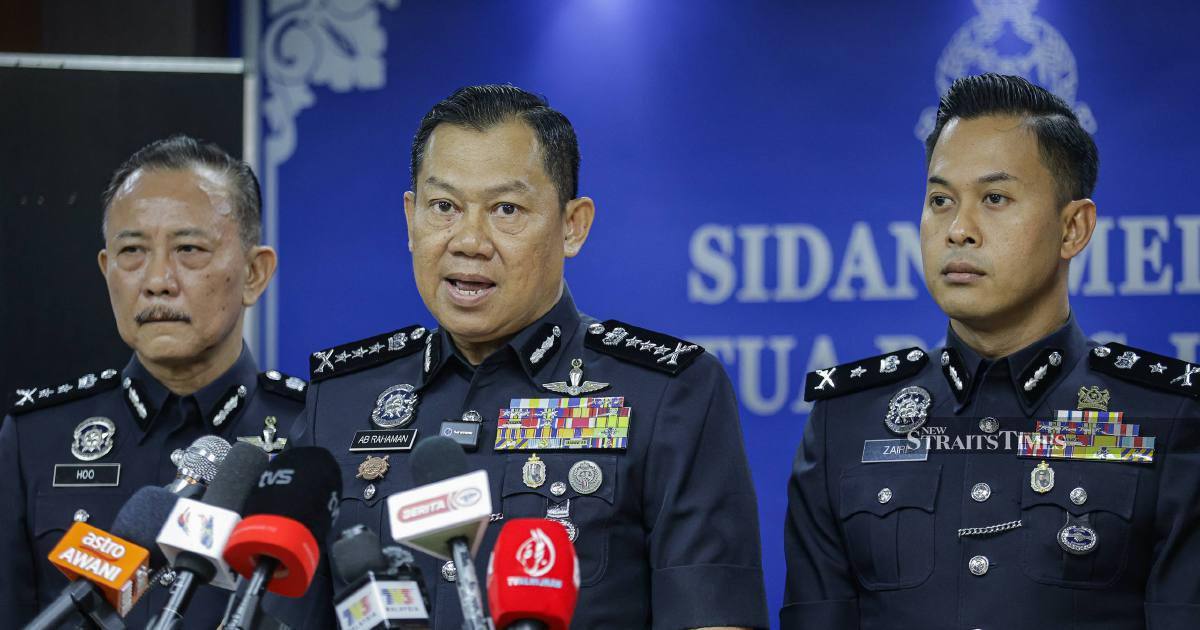
Police in Johor Baru have launched an intensive investigation into the death of a 17-year-old girl who died in a traffic collision on Tuesday at Lingkaran Bulatan Persiaran Indahpura 4 in Kulai. The incident has prompted authorities to widen their inquiry beyond simple road fatality protocols, with the detention of 13 individuals—including a 15-year-old girl—suggesting suspicions that gang activity may have played a role in the circumstances surrounding the crash.
The scale of the police response indicates investigators are treating the incident as potentially more complex than a standard accident. By detaining a substantial number of people for questioning, including another teenager, officers appear to be pursuing leads that point toward possible gang involvement rather than limiting their focus to traffic collision procedures. This approach signals that preliminary investigations may have uncovered factors or associations linking those involved to organized youth gang activity in the region.
Young people dying in road incidents is a persistent concern across Malaysia, where teenage drivers and passengers continue to represent a disproportionate segment of traffic fatalities. However, when authorities suspect gang connections, such deaths raise additional alarm bells about youth violence, territorial disputes, or retaliatory actions that manifest through vehicular means. The Johor case thus represents a troubling intersection of road safety and organized youth crime that transcends simple traffic management solutions.
The location of the crash—Lingkaran Bulatan Persiaran Indahpura 4 in Kulai—is significant for understanding the local dynamics. Kulai and its surroundings have experienced periodic spikes in gang-related activities, making the area one where police and community leaders have maintained heightened vigilance. A fatal collision in such a location immediately raises questions about whether the incident occurred during gang confrontations, territorial movements, or other organized activities rather than accidental circumstances.
The involvement of another minor, aged 15, among those detained suggests the groups under investigation may span multiple age cohorts. This cross-generational element is typical of youth gang structures in Malaysia, where older members may recruit or involve younger teenagers in activities. The detention of a 15-year-old girl also expands the investigative aperture beyond conventional patterns, indicating the police theory encompasses individuals across gender lines, a development that reflects evolving dynamics in Malaysian youth gang composition.
Family members of the deceased 17-year-old are reportedly grappling with shock and grief as details emerge from police questioning. The possibility that their daughter's death involves gang activity rather than a simple accident adds layers of trauma and questions about whether warning signs existed. For many families in communities affected by gang presence, the loss of a teenager raises difficult conversations about peer influences, social environments, and the protective measures available to young people.
The investigation unfolds against a backdrop of ongoing concerns about vehicular violence in Malaysia's youth culture. Drag racing, illegal street meets, and competitive driving among teenagers have produced fatalities in recent years, sometimes with gang affiliations as underlying factors. Authorities have repeatedly warned about the dangers, yet incidents continue, suggesting that education and deterrence measures have yet to achieve transformative impact on behavioral patterns among certain youth groups.
Johor's police force faces pressure to uncover the precise circumstances and determine whether the crash represented an accident, recklessness, or deliberate action connected to gang disputes. The distinction carries profound implications for how charges are framed and how the case informs future prevention strategies. If gang involvement is confirmed, it would represent another tragic data point demonstrating how organized youth violence intersects with traffic safety and claims young lives.
Community responses in Kulai and surrounding areas will likely intensify scrutiny on gang activities. School authorities, parents, and local leaders may renew calls for intervention programs targeting at-risk youth and stronger enforcement against gang operations. The incident also presents an opportunity for police to communicate with teenagers about the dangers of gang association and how such connections create environments where accidents and violence become statistically more probable.
The detained individuals are expected to be questioned extensively over coming days as investigators piece together the sequence of events and motivations. Police statements, when released, will likely provide crucial details about whether the collision occurred during a confrontation, vehicle chase, or other circumstance suggesting gang activity, or whether investigators determine gang links were peripheral or incorrect. The outcomes will shape how this tragedy is understood and what policy or enforcement responses follow.

