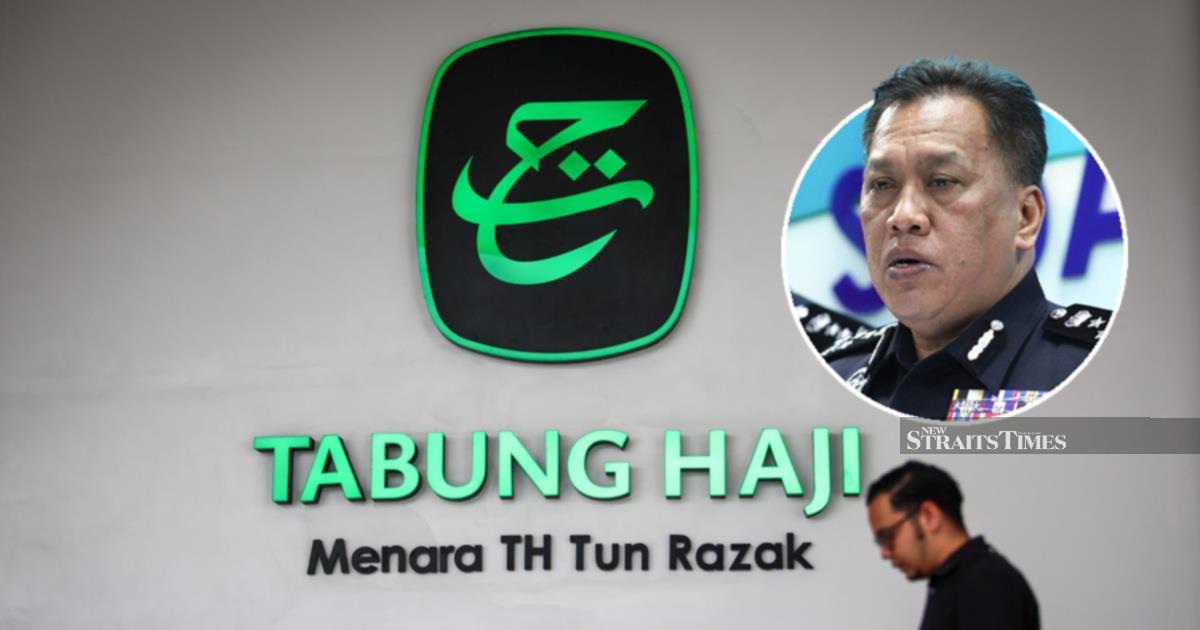
The Royal Malaysian Police have now documented evidence from 134 witnesses in their ongoing investigation stemming from the Royal Commission of Inquiry report on Lembaga Tabung Haji, with investigators recently summoning an additional 10 individuals for questioning in Kuala Lumpur.
The escalation in witness statements signals the depth of the police inquiry into governance and financial matters raised by the RCI, which released its findings earlier this year. Tabung Haji, which manages funds for Malaysian Muslims saving for the hajj pilgrimage, has faced intense public scrutiny following the commission's report, which highlighted various administrative and financial irregularities within the institution.
The investigation represents one of Malaysia's more comprehensive law enforcement responses to an RCI recommendation. By systematically recording statements from such a substantial number of witnesses, police are building a comprehensive factual foundation that could support potential prosecutions. The 10 recently called witnesses suggest that investigators continue to uncover leads or require clarification on matters previously disclosed.
Tabung Haji's significance in Malaysian society cannot be overstated. The institution holds the savings of over three million Muslims across the country who have entrusted their funds with the pilgrimage board. For many ordinary Malaysians, particularly those from lower and middle-income groups, Tabung Haji represents not merely a savings vehicle but a sacred obligation to perform the hajj. Any mismanagement or governance failure therefore carries profound implications beyond finance, touching on religious trust and public confidence in state institutions.
The RCI's investigation, which was commissioned to examine various concerns about Tabung Haji's operations, appears to have identified multiple issues worthy of criminal investigation. The fact that police are now methodically interviewing scores of individuals—ranging potentially from board members and executives to employees and external parties—indicates that alleged wrongdoing may span organisational levels and involve different categories of misconduct.
For Malaysian readers, particularly the millions with money in Tabung Haji, this police action offers some reassurance that alleged governance failures are being taken seriously by law enforcement. However, the protracted nature of such investigations also raises questions about when the public can expect clarity on accountability and whether recovery of potentially misused funds is possible.
The inquiry reflects broader governance concerns that have affected Malaysian public institutions in recent years. Tabung Haji had previously faced allegations ranging from questionable real estate investments to employment and procurement practices that raised eyebrows among observers. The RCI was tasked with examining these accumulated concerns, and its findings evidently warranted police involvement.
From a regional perspective, the Tabung Haji situation serves as a case study for scrutinising Islamic financial institutions across Southeast Asia. Malaysia's handling of this matter—through both the RCI and subsequent police investigation—will be observed by other Muslim-majority nations and Islamic finance practitioners monitoring how governance issues are addressed in prominent Islamic institutions.
The investigation timeline remains unclear, but police inquiries of this magnitude typically require considerable time for proper completion. Investigators must verify documentary evidence, corroborate witness accounts, and establish potential legal violations. The addition of ten new witnesses suggests the inquiry is still uncovering material that investigators deem significant enough to pursue further.
For stakeholders in Malaysia's Islamic finance sector, this ongoing investigation carries lessons about transparency, accountability, and the importance of robust internal controls. The attention now focused on Tabung Haji will likely influence governance standards and oversight mechanisms at other Islamic financial institutions in the country.
The path from police investigation to any potential charges or prosecutions remains lengthy. Malaysian authorities must ensure that evidence collection meets legal standards and that due process is observed, even as public expectations for accountability mount. The 134 witness statements represent only one component of what is presumably a wider investigation encompassing document reviews, financial audits, and technical analyses.
Ultimately, the scale of witness interviews underscores how significantly Malaysia's law enforcement agencies view the RCI's findings on Tabung Haji. Whether these investigations will restore public confidence in the institution, secure accountability for alleged wrongdoing, or lead to meaningful institutional reform will become clearer as the police inquiry progresses toward its conclusion.

