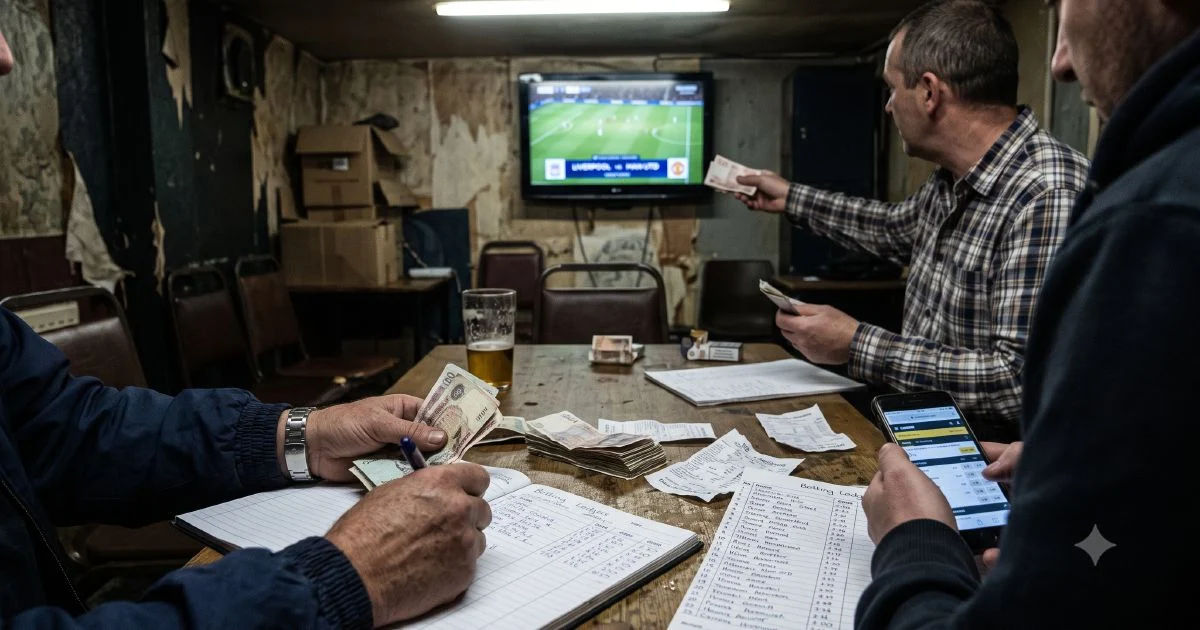
Malaysian law enforcement has launched a comprehensive nationwide crackdown on illegal sports gambling networks, resulting in the arrest of 331 individuals and the identification of betting transactions valued at over RM2.63 million. The coordinated operation, designated as Op Soga XI, specifically targeted unlicensed betting syndicates and online gambling platforms that capitalised on the FIFA World Cup 2026 tournament cycle to attract Malaysian bettors into their illicit networks.
The scale of this enforcement action underscores the persistent challenge posed by underground gambling operations within Malaysia's borders. While the country maintains strict regulatory frameworks governing licensed gaming activities through Magnum, Sports Toto, and Da Ma Cai, underground networks continue to thrive by offering convenience, anonymity, and sometimes higher payouts to bettors seeking alternatives to official channels. These illicit operators have become increasingly sophisticated in their deployment of technology, leveraging encrypted messaging applications, cryptocurrency transactions, and distributed online platforms to evade detection.
The timing of Op Soga XI coincides with growing international excitement surrounding the FIFA World Cup 2026, scheduled to take place across the United States, Canada, and Mexico. Major sporting events of this magnitude traditionally trigger a surge in betting activity across the region, and Malaysian authorities recognised this pattern as presenting both a heightened enforcement opportunity and a critical public interest mandate. By concentrating resources during this period, police aimed to disrupt betting networks at a moment when they were most active and most visible to participants.
Understanding the mechanics of underground betting in Malaysia requires recognition of several enabling factors. The proliferation of high-speed internet and mobile technology has democratised access to illegal platforms, allowing individuals to participate from their homes or workplaces without the regulatory oversight that legitimate licensed operators must maintain. Many unlicensed betting operators deliberately target lower-income communities and younger demographics, deliberately marketing their services through social media, messaging groups, and word-of-mouth referral systems that fall outside traditional advertising oversight.
The RM2.63 million figure, while substantial, likely represents only a fraction of the actual value flowing through these networks during the operation's timeframe. This detection snapshot reveals the economic significance of underground gambling to organised crime networks in Malaysia. Beyond the direct financial transactions, these operations generate ancillary revenue through commission structures, money laundering services, and associated criminal activities. Law enforcement agencies recognise that systematic dismantling of these networks requires coordination across multiple jurisdictions and sustained pressure over extended periods.
For Malaysian readers concerned about responsible gaming, the crackdown highlights legitimate alternatives. The regulated operators licensed by the Malaysian government maintain strict compliance standards regarding odds fairness, responsible gambling protections, and transparent fund management. These licensed platforms provide safer environments for those choosing to participate in sports betting, with guaranteed payout mechanisms and mechanisms for addressing disputes that underground operators deliberately circumvent.
The broader regional implications of Malaysia's enforcement stance are noteworthy. As gambling and sports betting regulations remain contentious issues across Southeast Asia, Malaysia's approach demonstrates a middle ground—maintaining licensed legal options while vigorously prosecuting unlicensed operators. This strategy contrasts with some neighbouring jurisdictions that take either more permissive or more prohibitive stances. The success of Op Soga XI may inform policymaking discussions about optimal enforcement balancing in the region.
Investigations into the arrested individuals are expected to yield intelligence regarding operational hierarchies within these networks. Police will likely examine banking records, device data, and witness statements to map relationships between various arrest subjects, identify ringleaders, and trace financial flows. This intelligence-gathering dimension often proves as valuable as the immediate arrests themselves, as authorities build comprehensive understandings of how these networks function, recruit participants, and launder proceeds.
The enforcement operation also serves a deterrence function, signalling to potential participants that involvement in unlicensed betting carries real legal consequences. While some view such enforcement as paternalistic, authorities justify these measures by pointing to documented harms including problem gambling, financial devastation to vulnerable individuals, and the diversion of proceeds toward other criminal enterprises.
Going forward, sustaining the impact of Op Soga XI will require consistent follow-up enforcement efforts. Organised betting networks possess both financial resources and motivation to rebuild operations once immediate heat subsides. Malaysian law enforcement agencies, working under the oversight of relevant federal and state authorities, will need to maintain intelligence-gathering capabilities and responsive tactical responses to prevent reconstitution of the networks disrupted during this operation.
The operation demonstrates that while illegal gambling presents a persistent challenge to Malaysian law enforcement, authorities possess both the capability and commitment to identify, disrupt, and prosecute these networks at scale. As the FIFA World Cup 2026 approaches, continued vigilance against unlicensed betting platforms will remain a priority for maintaining the integrity of Malaysia's regulated gaming framework.

