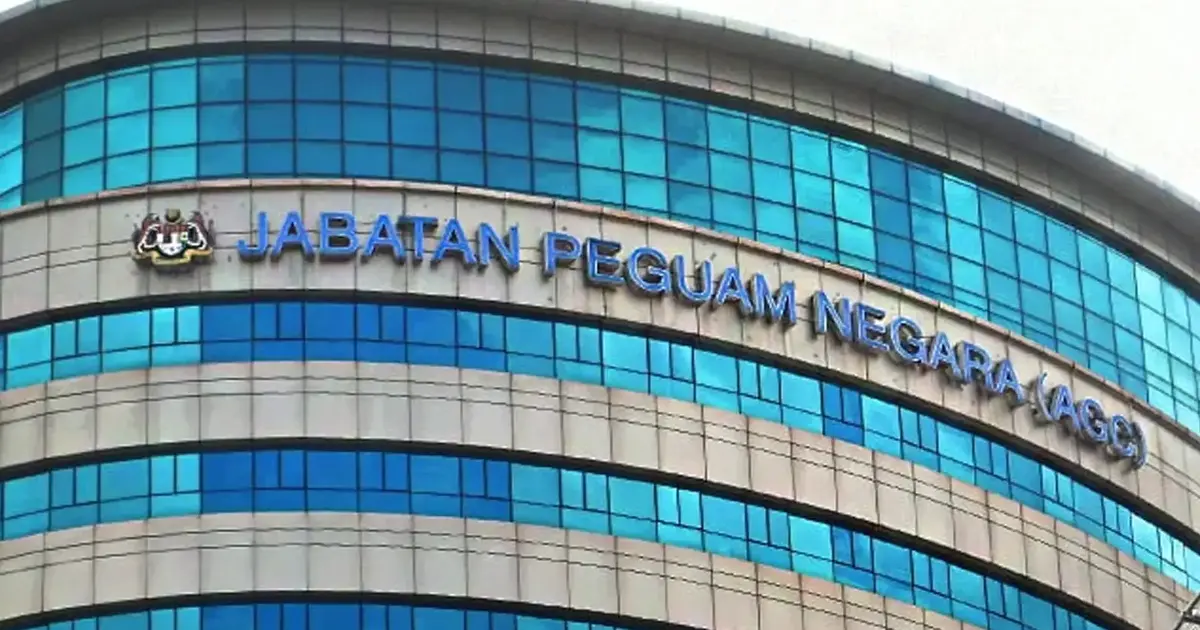
The investigation into an alleged incident of police assault has stalled at the Attorney-General's Chambers, with the police force currently awaiting fresh instructions on how to advance the matter, Home Minister Saifuddin Nasution Ismail disclosed. The six-month delay raises questions about the pace of justice processing in Malaysia's legal system, particularly for sensitive cases involving law enforcement conduct.
The extended timeline underscores a broader challenge within Malaysia's prosecutorial framework: the mounting backlog of cases at the AGC and the complexity involved in handling investigations that implicate police personnel. When allegations involve members of the security forces, the cases often require meticulous legal review to ensure both the rights of complainants and the procedural protections afforded to accused officers are properly balanced. This additional scrutiny can significantly extend processing periods.
Home Minister Saifuddin's acknowledgment that police remain in a holding pattern suggests the AGC has not yet determined whether sufficient evidence exists to recommend charges, pursue additional investigation, or close the matter entirely. The lack of public clarity on timelines or next steps compounds concerns about accountability and transparency in how such sensitive allegations are managed within the justice system. Malaysian civil society has increasingly called for greater openness regarding the status of high-profile police conduct investigations.
The delay also reflects institutional pressures facing the Attorney-General's office. The AGC manages thousands of cases simultaneously across criminal and civil matters, and investigations involving government agencies—including the police—often demand heightened attention to avoid perceptions of bias or cover-up. Legal officials must carefully document their reasoning and ensure procedural compliance at every stage, work that is methodical but necessarily time-consuming.
For those directly affected by the alleged assault, the six-month wait represents a significant gap in the pursuit of accountability. Victims of police misconduct or their families frequently experience justice delayed as the system processes complaints through multiple bureaucratic and legal checkpoints. This experience is not unique to Malaysia but remains frustrating for complainants accustomed to faster resolution in other legal jurisdictions within the region.
The Home Minister's disclosure, while providing a measure of transparency, leaves open several critical questions. No indication was given regarding whether the investigation has been categorized as serious or routine, whether expert legal analysis is ongoing, or what additional information might be required before a prosecutorial decision can be made. The absence of such detail makes it difficult for observers to assess whether the delay is proportionate or represents genuine obstruction.
Police conduct investigations carry particular weight in Malaysia's legal and political landscape. Trust in law enforcement depends partly on demonstrable accountability when officers are accused of exceeding their authority or behaving violently. Public perception of the speed and fairness with which such allegations are handled influences confidence in both the police institution and the broader justice system. Prolonged delays can erode public faith in both organizations.
The case also touches on a persistent tension in Malaysian governance: the relationship between the police force, which falls under the Home Ministry, and the Attorney-General's Chambers, which operates under the Prime Minister. While these institutions maintain formal independence, questions occasionally arise about whether political considerations influence the pace or direction of high-profile investigations. The Home Minister's public statement may partly reflect an effort to clarify that responsibility for the delay rests with the AGC, not his ministry.
International legal standards and conventions increasingly emphasize the importance of timely investigation and prosecution of alleged police misconduct. Organizations monitoring human rights and rule of law in Southeast Asia regularly critique undue delays in cases involving security force accountability. Malaysia's reputation in these international assessments can be affected by how quickly and transparently it processes such matters, making the six-month lag noteworthy from a broader governance perspective.
Moving forward, clarity on AGC timelines and decision-making criteria would strengthen public confidence in Malaysia's approach to police accountability. Establishing benchmarks for different stages of investigation and prosecution could help manage expectations while maintaining the thoroughness necessary for justice. Without such measures, cases involving police conduct risk becoming political flashpoints, with critics questioning whether the system is genuinely committed to holding law enforcement accountable or merely moving matters through institutional machinery without meaningful resolution.
The Home Minister's acknowledgment that the matter remains with the AGC awaiting direction is an important first step in acknowledging the delay. However, stakeholders—including victims, civil society organizations, and the broader public—will be watching closely for signals about when and how this investigation will reach its next stage. The coming weeks and months will reveal whether the AGC is conducting thorough legal analysis or whether systemic bottlenecks are preventing timely movement on allegations of police misconduct.

