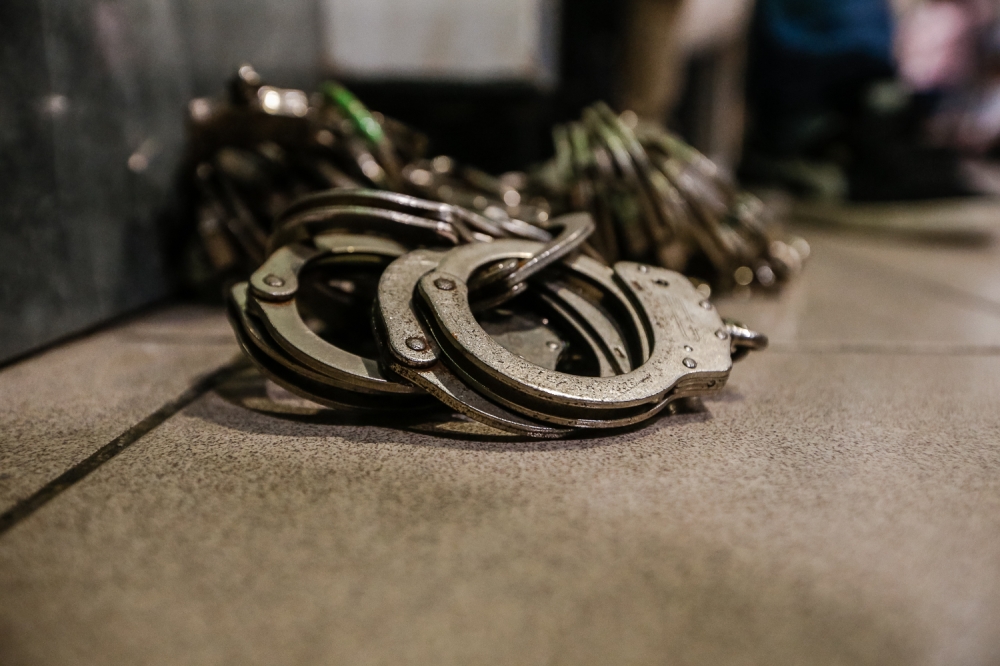
Authorities in Johor Bahru have moved swiftly in response to the death of a migrant worker, detaining 11 suspects including the individual responsible for employing the deceased. The arrests follow an incident that has drawn renewed attention to the treatment and protection of foreign labourers working in Malaysia's industrial regions.
The investigation centres on circumstances surrounding the worker's fatal head injuries, which police are treating as a serious matter warranting the detention of multiple individuals. The inclusion of the employer among those arrested suggests investigators believe management bore direct responsibility or negligence in the events leading to the worker's death. Such cases typically trigger wider inquiries into workplace conditions, supervision protocols, and adherence to occupational safety standards across the facility in question.
Johor, as Malaysia's economic powerhouse and a major manufacturing hub, hosts tens of thousands of foreign workers employed across factories, construction sites, and service industries. The state has long grappled with balancing rapid industrial growth against adequate worker protections. Incidents involving migrant workers—whether fatal accidents, wage disputes, or abuse—periodically emerge from the region, underscoring systemic challenges in enforcement and oversight despite existing labour legislation.
The scale of this operation, with authorities arresting nearly a dozen suspects, indicates the investigation has uncovered evidence suggesting multiple parties may have been involved in circumstances contributing to the death. This could range from direct involvement in violence to negligence, failure to seek medical attention, or obstruction of justice. Malaysian police investigations into worker deaths frequently examine whether company protocols were followed, whether safety equipment was provided, and whether medical assistance was delayed.
Foreign worker deaths in Malaysia carry particular significance for both domestic policy and regional relations. Neighbouring countries including Bangladesh, Indonesia, and Myanmar—which supply much of Malaysia's migrant labour force—monitor how their nationals are treated and how swiftly their governments pursue justice when workers are harmed. Diplomatic pressure and media scrutiny from labour-sending nations can intensify when deaths appear preventable or when accountability seems delayed.
The circumstances in Johor Bahru will likely prompt broader scrutiny of workplace practices in the jurisdiction. Factory inspectorates and labour departments may conduct audits of comparable facilities, reviewing safety protocols, worker accommodation standards, and management accountability structures. Such incidents often catalyse incremental improvements in enforcement, though implementation across Malaysia's sprawling informal and informal-adjacent economy remains challenging.
This case also reflects ongoing tension between Malaysia's dependence on foreign labour and its capacity to adequately protect vulnerable migrant workers. Economic sectors crucial to Malaysia's growth—particularly manufacturing and construction—rely heavily on workers with fewer legal protections, less knowledge of their rights, and limited recourse when mistreated. Language barriers, documentation concerns, and isolation from support networks further constrain migrants' ability to report abuse or unsafe conditions before tragedy occurs.
The arrests signal that Malaysian law enforcement can respond decisively when evidence clearly indicates culpability. However, advocacy groups and labour observers have consistently noted that prosecution alone does not address structural vulnerabilities enabling such incidents. Systemic improvements—including stronger workplace inspection regimes, meaningful penalties that deter violations, mandatory safety training, and mechanisms enabling workers to report concerns without fear of retaliation—remain areas where progress has been uneven.
For Malaysian employers operating within established frameworks, this case serves as a stark reminder of legal exposure and reputational risk associated with workplace negligence. Companies employing migrant workers face increasing liability for injuries, deaths, and poor conditions, particularly where investigation reveals inadequate safety measures or delayed medical response. Insurance implications, criminal charges, and civil lawsuits can follow fatal incidents, making workplace safety a pressing business imperative beyond mere ethical obligation.
The investigation's progression will likely influence how Malaysian authorities approach comparable cases going forward. Public statements from police and labour authorities regarding the findings could shape enforcement priorities and signal resolve on worker protection to both the domestic audience and labour-sending nations whose citizens constitute Malaysia's migrant workforce. Documentation of how thoroughly investigators pursue accountability, how charges are framed, and what penalties are ultimately imposed will resonate across the region's labour markets.
As Johor continues developing economically, maintaining social stability requires demonstrable commitment to protecting vulnerable workers and prosecuting those responsible for preventable harm. This case, though tragic, presents an opportunity for Malaysian institutions to demonstrate that foreign workers—despite their status outside the citizenry—receive serious protection under law and that those employing them face real consequences for negligence or abuse.

