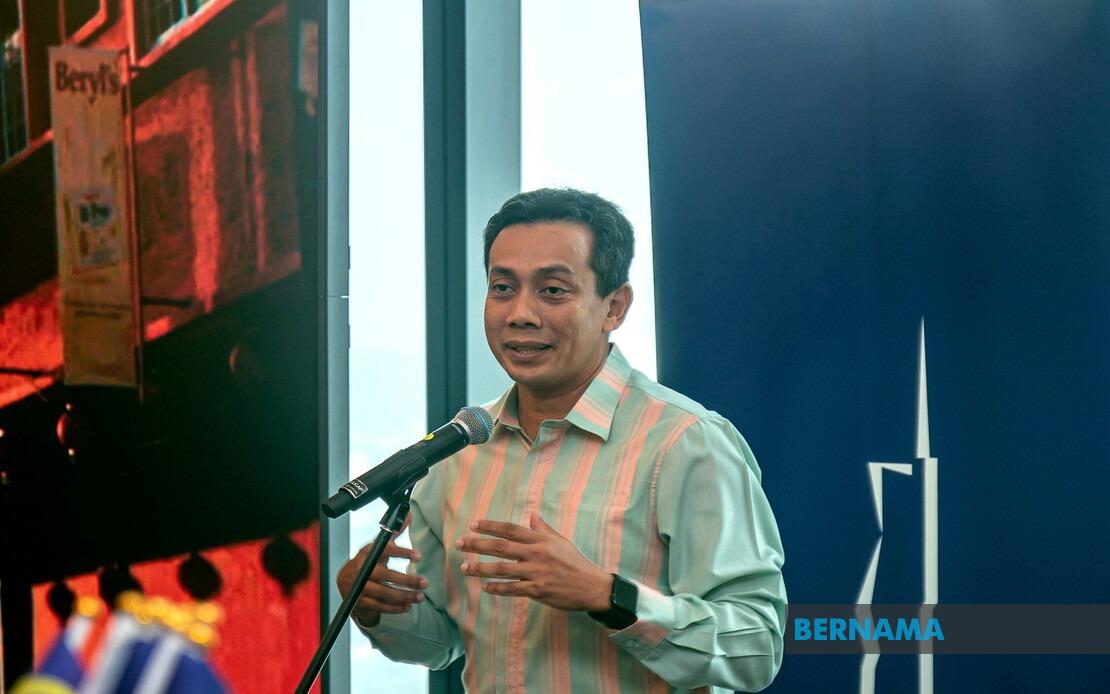
PNB Merdeka Ventures Sdn Bhd (PNBMV) has unveiled its inaugural Merdeka film, a strategic effort to bridge the generational divide in how Malaysians understand and relate to the nation's independence heritage. The initiative, called 'GAPAI', represents a deliberate shift towards making historical narratives more accessible and emotionally resonant for audiences who have grown up far removed from the pivotal events of August 1957.
The film will become publicly available on August 25 across Merdeka 118's social media platforms, signalling PNBMV's recognition that digital-first strategies are essential to engaging younger demographics. This approach reflects a broader global trend where cultural institutions have recognised that traditional museum visits and formal commemorations alone cannot sustain historical memory and civic consciousness among Gen Z and millennial audiences. By leveraging social media channels, PNBMV is meeting audiences where they already spend significant time, rather than expecting them to seek out heritage content voluntarily.
According to Datuk Dr Izwan Ibrahim, chief executive officer of PNBMV, the organisation views itself not merely as a custodian of Malaysia's historical record but as an active agent in transmitting values across generations. His statement underscores a critical responsibility: preserving factual history is insufficient without ensuring that subsequent generations feel genuinely connected to these events and understand their relevance to contemporary life. This philosophical positioning addresses a common challenge in post-colonial nations, where the distance between independence struggles and present-day realities can create a sense of disconnection, particularly among those born decades after the founding moment.
The Merdeka 118 precinct itself carries profound symbolic weight, as it occupies the actual location where Malaysia declared independence. This geographical significance transforms the precinct from merely another commercial or cultural development into a living memorial space. By anchoring the film launch and celebrations at this specific site, PNBMV leverages spatial memory—the idea that physical locations carry emotional and historical resonance that can reinforce educational messages more powerfully than abstract narratives.
To complement the film release, PNBMV is collaborating with LOCCO to orchestrate an ambitious three-day Merdeka celebration spanning August 29 to 31 at the Merdeka Stadium and Merdeka Boulevard. This extended programming approach recognises that single events create momentary engagement, while sustained multi-day activities build deeper immersion and community participation. The inclusion of diverse activities—from a community bazaar to cultural demonstrations—creates multiple entry points for different audience segments and family compositions.
The programming schedule incorporates the Merdeka Community Bazaar, positioning heritage celebration within a commercial and social context that feels contemporary rather than museological. Cultural and heritage activities will provide direct educational engagement, while the inclusion of a Merdeka Flashmob injects an element of spontaneity and popular culture appeal that can generate social media buzz and organic reach beyond official promotional channels. The WarisanKL Explorace gamifies historical exploration, transforming commemoration into an interactive challenge format that particularly resonates with younger participants.
Simultaneously, the Merdeka Textile Museum will open its doors to the public throughout the Merdeka weekend, with free admission extended through September 30. This prolonged access window removes financial barriers to participation and acknowledges that not all visitors can attend during the official celebration period. The textile focus itself offers a culturally specific lens on independence—through clothing and textiles, visitors can explore how Malaysian identity and national consciousness have been expressed through material culture, a more intimate and personally relatable approach than formal political histories.
For Malaysian audiences and regional observers, this initiative carries significance beyond immediate cultural programming. It represents institutional recognition that heritage transmission requires deliberate, multi-platform strategies rather than assuming generational knowledge transfer will occur organically. In the Malaysian context, where national unity narratives remain politically contested and diverse communities maintain varying relationships to independence history, PNBMV's inclusive approach—emphasising bazaars, communal gatherings, and participatory activities rather than top-down historical lectures—offers a pragmatic model for fostering shared national consciousness without imposing singular interpretations.
The 'GAPAI' film initiative also reflects broader regional trends across Southeast Asia, where newly independent nations and those with post-colonial histories are grappling with how to maintain relevance of independence narratives as living national values rather than historical footnotes. Indonesia, Vietnam, and other regional counterparts have similarly invested in youth-targeted heritage programming, suggesting a shared recognition that demographic change necessitates strategic cultural communication to prevent disconnection from foundational national moments.
From a practical standpoint, the integration of free museum access, social media content distribution, and extended celebration programming demonstrates sophisticated understanding of contemporary audience engagement. Rather than relying on a single medium or venue, PNBMV has created a network of touchpoints that allow diverse individuals to engage according to their preferences and circumstances—whether through digital content consumption, physical site visitation, or community participation. This omnichannel approach maximises the likelihood of reaching beyond already-committed heritage enthusiasts to capture broader public attention.
Looking forward, the success of the 'GAPAI' initiative may influence how other Malaysian cultural institutions approach heritage preservation and transmission. If the film generates meaningful engagement and the celebrations attract substantial public participation, PNBMV's model—combining digital innovation, community collaboration, participatory activities, and extended institutional access—could establish new standards for how national heritage is shared in Malaysia. The experiment addresses a genuine democratic challenge: ensuring that foundational national narratives remain living, relevant sources of civic meaning rather than becoming relegated to the margins of public consciousness.

