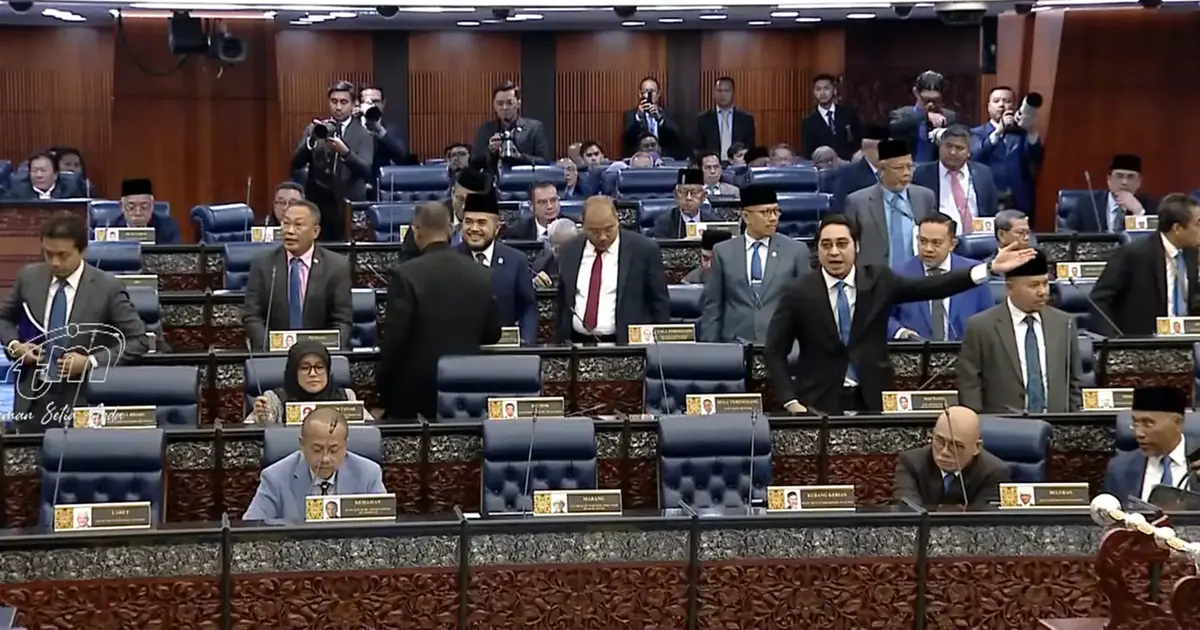
A significant political standoff unfolded in parliament when lawmakers from Perikatan Nasional staged a coordinated walkout after the Dewan Rakyat speaker rejected their request to postpone a special sitting focused on matters relating to Tenaga Nasional. The opposition coalition's departure marked a visible show of protest against what they view as procedural irregularities, highlighting underlying tensions between the government and opposition benches over parliamentary conduct and the scope of executive accountability during legislative sessions.
The crux of PN's objection centred on their contention that such a significant parliamentary sitting—particularly one addressing the national utility company—warrants the active presence and participation of the prime minister. This position reflects a broader argument within opposition circles that matters of substantial national importance require direct engagement from the highest levels of executive authority rather than delegation to junior ministers or parliamentary secretaries. The refusal to proceed without the prime minister's attendance signals PN's determination to elevate the procedural stakes and underscores their view that certain parliamentary occasions demand premium political participation.
Speaker's authority to schedule and manage parliamentary business carries considerable weight in Malaysia's Westminster-styled legislative framework. By declining PN's request for postponement, the speaker exercised discretionary powers to maintain parliamentary momentum and prevent extended delays that could disrupt the legislative calendar. This decision reflects the speaker's interpretation of parliamentary standing orders and their prerogative to balance competing interests—between opposition demands for procedural conditions and the government's interest in advancing its legislative agenda within scheduled timeframes.
The walkout itself carries symbolic weight in Malaysian parliamentary politics. Public displays of opposition discontent through coordinated departures serve multiple purposes: they register protest for parliamentary records, signal constituent displeasure to voters, and create visual spectacles that attract media coverage. For PN, the walkout represented a tactical choice to dramatise their objections when conventional parliamentary channels—such as procedural motions or verbal remonstrations—proved unsuccessful in securing the postponement they sought.
Notably, the political composition of the opposition fragmented during this episode. Bersatu, while aligned with PN in the broader opposition coalition, declined to participate in the walkout. This divergence reveals fault lines within the opposition's united front and suggests either tactical disagreement over the severity of the protest or distinct policy priorities regarding Tenaga Nasional matters. Such internal differentiation complicates the opposition's ability to present a monolithic challenge to government positions and may indicate that consensus within the PN coalition remains conditional rather than absolute.
The Tenaga Nasional sitting itself carries substantial implications for Malaysian governance, given the utility company's critical role in electricity supply and infrastructure development. Tenaga Nasional remains integral to Malaysia's energy security and economic functioning, making parliamentary scrutiny of its operations a legitimate legislative concern. The timing and conduct of parliamentary proceedings addressing such essential national institutions therefore carries implications beyond procedural niceties, touching upon matters of public accountability and transparency in managing critical services.
For Malaysian readers and regional observers, this episode illuminates persistent power dynamics within parliament and the ongoing tension between opposition oversight mechanisms and government management of legislative business. The incident demonstrates how procedural disagreements can crystallise into broader constitutional questions about executive accountability, the scope of parliamentary scrutiny, and the relationship between parliamentary operations and ministerial availability. These underlying issues reflect perennial challenges in Westminster-derived systems where expectations about executive engagement in parliament often diverge from practical legislative scheduling.
The episode also reflects the competitive intensity between government and opposition in Malaysia's current political configuration. Following recent electoral realignment and shifting coalition patterns, parliament has become a venue where tactical manoeuvrings—including procedural challenges, strategic absences, and symbolic protests—constitute regular features of political contestation. Opposition parties utilise available parliamentary levers to constrain government initiatives and register dissent, while government coalitions seek to advance their agendas despite such resistance.
Looking forward, this walkout establishes a precedent potentially influencing future parliamentary dynamics around Tenaga Nasional and similar high-stakes legislative items. If opposition coordination around procedural demands continues generating public attention and constraining government business, both sides may recalculate their strategies around special parliamentary sittings. The speaker's authority to manage such conflicts will remain under scrutiny, particularly when opposition parties collectively challenge the scope and timing of parliamentary business.
The broader significance extends to perceptions about parliamentary effectiveness and legitimacy. When opposition parties view parliamentary procedures as biased toward government convenience rather than balanced scrutiny, confidence in legislative institutions potentially erodes. Conversely, when speakers resist pressures to reschedule parliamentary business based on opposition objections alone, they defend parliamentary independence from excessive political manipulation. Navigating this balance remains central to maintaining parliamentary credibility as a forum for representing diverse political interests and holding government accountable.

