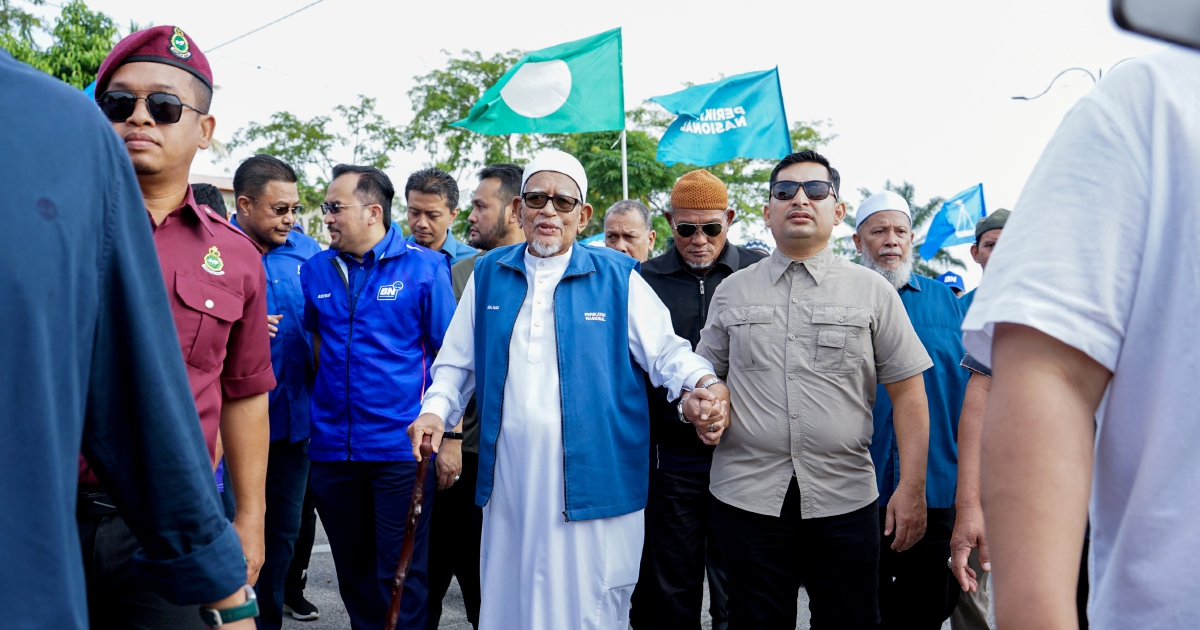
Perikatan Nasional and Barisan Nasional are actively engaged in seat negotiations as preparations accelerate for the Melaka state election, according to PAS president Tan Sri Abdul Hadi Awang. The two major political coalitions are working through the intricate process of allocating constituencies and determining which parties will contest in each seat, a crucial phase that typically precedes any state-level electoral contest in Malaysia's coalition-dominated political landscape.
The negotiations underscore the complexity of managing multi-party electoral arrangements in Malaysian politics, where alliances between different political entities must carefully balance party strengths, grassroots support, and historical electoral performance across individual constituencies. For PN, which comprises several Islamist and Malay-based parties, and BN, the traditionally dominant coalition anchored by UMNO, securing an optimal seat distribution is essential to maximising their combined electoral prospects in the southern state.
Melaka has been a politically significant state over the past decade, with leadership and control oscillating between different coalitions. The state's electoral dynamics reflect broader national political trends, making the upcoming contest consequential for both PN and BN. The two coalitions have previously demonstrated capacity to work together during certain electoral periods and parliamentary situations, though their relationship remains pragmatic rather than ideologically seamless.
The seat allocation process involves consultations between party leadership from both coalitions, with discussions typically centering on which parties possess superior ground organisation in specific constituencies, which candidates enjoy stronger public appeal in particular areas, and where strategic compromises might maximise overall coalition performance. These negotiations can often prove contentious, as individual parties within each coalition lobby for attractive constituencies or seats deemed winnable.
For the PN component, particularly PAS which holds the party presidency, the outcome of these talks will shape the Islamic party's presence in the Melaka state assembly and determine whether it can expand its representation or consolidate existing positions. Similarly, BN parties including UMNO and Malaysian Chinese Association will be calibrating their seat expectations against their current standing and perceived electoral viability in various constituencies.
The timing of these negotiations suggests the election may be called within a reasonable timeframe, though no official date has been announced. State elections in Malaysia typically require several weeks of preparation once polling dates are set, and serious coalition discussions usually commence when the electoral calendar becomes certain or imminent.
Historically, PN and BN have collaborated during certain periods of Malaysian politics, most notably during parliamentary sessions where they have jointly supported or opposed specific legislation. However, these collaborations have often been tactical rather than reflecting genuine ideological alignment, and tensions between the coalitions remain evident in various state and federal contexts.
For Malaysian voters and political observers, the nature of these seat negotiations provides insight into evolving coalition dynamics and the current balance of power between major political blocs. The willingness of PN and BN to engage in detailed constituency-level negotiations suggests both believe joint electoral participation offers better prospects than contesting separately, particularly given the fragmented nature of Malaysian state politics and the potential for opposition votes to splinter across multiple candidates.
The successful conclusion of these talks would represent a significant development in Melaka's political trajectory, establishing which coalition will contest the election and what internal party distributions will look like when campaigns formally commence. Such agreements often involve trade-offs where one coalition accepts fewer winnable seats in exchange for securing influence in other constituencies or gaining commitments regarding state-level governance arrangements should they win.
State elections in Malaysia have increasingly become barometers for national political sentiment, and the Melaka contest will be closely watched by political analysts and party strategists across the country. The outcome could influence future coalition formation strategies and provide indicators regarding which political blocs currently enjoy stronger grassroots support in particular regions.
Absent significant disruptions to negotiations, observers expect an announcement regarding final seat allocations and candidate selections once PN and BN leadership reach agreement. The window between such announcements and actual polling day will determine the intensity and nature of campaign activities, with both coalitions likely mobilising their respective grassroots organisations to maximise turnout among core supporters.

