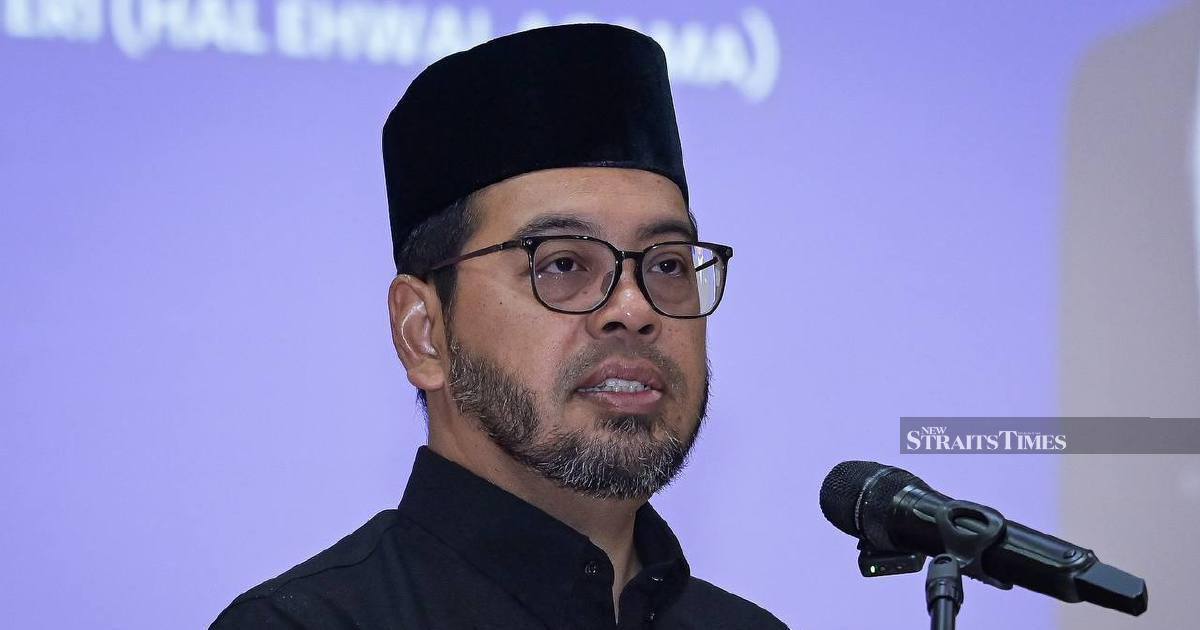
The Prime Minister's Department (Religious Affairs) has aligned itself with His Majesty Sultan Ibrahim, King of Malaysia, in endorsing a comprehensive investigation into the findings of the Royal Commission of Inquiry examining Lembaga Tabung Haji. The department's backing represents official government support for the King's insistence that the probe be pursued with full transparency and without any constraints, underlining the seriousness with which the administration is treating the inquiry outcomes.
The Royal Commission of Inquiry into Lembaga Tabung Haji, the Islamic pilgrimage fund manager, was established to examine governance issues and management concerns affecting the institution. The RCI's findings have prompted calls for decisive action, and the King's directive places institutional pressure on authorities to respond decisively and comprehensively. By formally supporting the King's stance, the Prime Minister's Department (Religious Affairs) signals that political leadership is prepared to act on whatever recommendations emerge from the investigation process.
Transparency has become a cornerstone of the expected investigation approach. The emphasis on conducting the probe without compromise indicates that no institutional interest or political consideration should obstruct the pursuit of truth and accountability. This messaging is particularly significant given public concerns about governance standards in Islamic financial institutions, which manage substantial assets on behalf of millions of Malaysian Muslims who depend on these bodies for essential services.
Lembaga Tabung Haji manages funds accumulated through mandatory savings from Malaysian citizens undertaking the Hajj pilgrimage, making it a matter of considerable public trust and religious significance. The establishment of the RCI reflected broader concerns about how the institution had been managed, with particular attention to investment decisions, fund performance, and administrative accountability. The Royal Commission's findings presumably identified areas requiring corrective action and systemic reform.
The Prime Minister's Department (Religious Affairs) exercises significant oversight of religious institutions and Islamic affairs at the federal level, positioning it as a natural conduit for government policy on matters affecting Lembaga Tabung Haji. Its explicit backing for the King's call demonstrates coordination between the palace and executive branch on this sensitive matter, suggesting institutional consensus on the necessity of thorough investigation regardless of political considerations or institutional embarrassment.
The phrase "without compromise" carries particular weight in this context, as it implies that the investigation should not be constrained by considerations such as protecting the institution's reputation, shielding individuals from scrutiny, or limiting the scope of inquiry based on political convenience. This language reflects awareness among senior officials that public confidence in Islamic financial institutions depends on demonstrable accountability and genuine reform capability.
Investigation protocols and timelines will now presumably be established to ensure findings reach stakeholders and the public through proper channels. The commitment to transparency suggests that outcomes will not be shelved or selectively disclosed, but rather made available for public understanding and institutional learning. This approach is critical for reassuring millions of Malaysians who have entrusted their pilgrimage savings to Lembaga Tabung Haji.
For Malaysia's broader governance landscape, this stance reinforces the principle that all institutions, including statutory bodies managing public or religious assets, remain subject to accountability mechanisms and independent scrutiny. The explicit government support for rigorous investigation sends a signal that institutional reform is taken seriously at the highest levels of government and the palace.
The matter also has implications for Malaysian Islamic finance more broadly. Lembaga Tabung Haji's governance standards and investment practices are closely watched by Muslim-majority nations and Islamic financial institutions internationally. Demonstrating capacity for honest self-examination and reform strengthens Malaysia's standing as a centre for Islamic finance and governance.
Regional observers will likely view the government's backing of comprehensive investigation as an indicator of Malaysia's commitment to institutional accountability standards. In Southeast Asia's competitive environment for Islamic finance investment and expertise, credibility and transparent governance serve as important competitive advantages. The explicit support for thorough investigation reflects awareness that Malaysia's long-term interests depend on maintaining institutional integrity and public trust.
Moving forward, the success of the investigation will depend on adequate resourcing, competent personnel, and sustained political will to implement recommendations emerging from the process. The Prime Minister's Department (Religious Affairs) and other relevant authorities will need to translate rhetorical commitment into concrete actions, ensuring that identified problems are genuinely addressed and that systems are reformed to prevent recurrence of issues that prompted the RCI's establishment.

