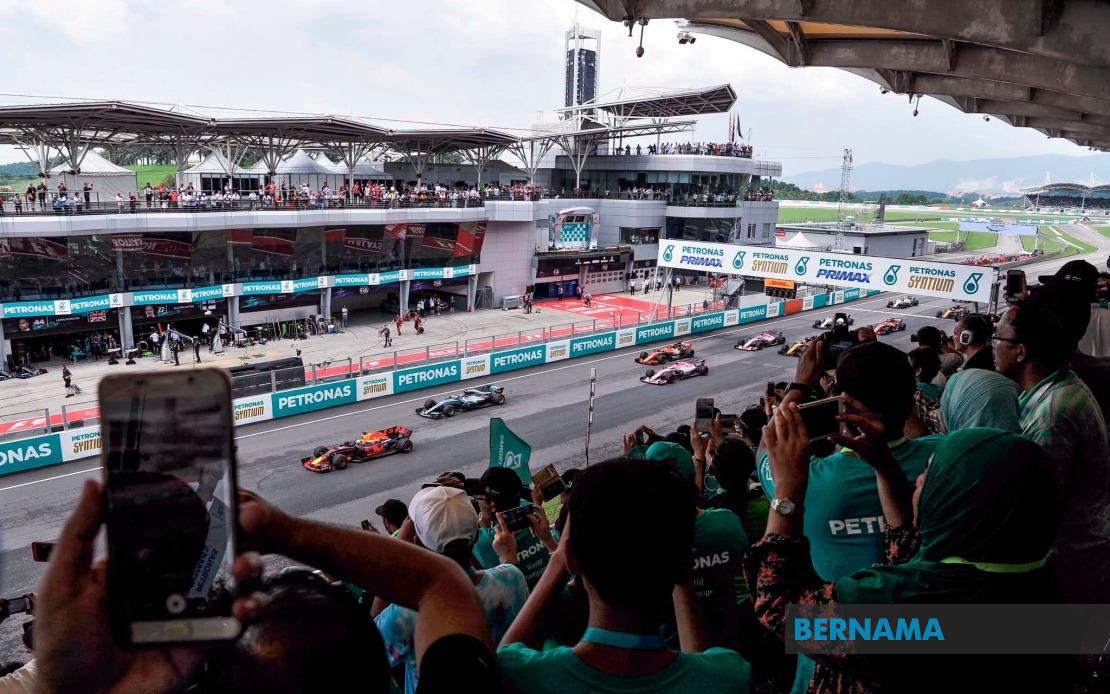
Prime Minister Datuk Seri Anwar Ibrahim has unveiled an ambitious ticket initiative aimed at making Formula 1 more accessible to ordinary Malaysians, announcing MADANI Tickets exclusively for MyKad holders at prices starting from just RM200. The announcement came as the government formalised arrangements with Bahrain to bring the Gulf Air Bahrain Grand Prix to the Sepang International Circuit from October 2 to 4, 2026, marking a significant return of international motorsport's premier racing series to Malaysian soil after nearly a decade.
The MADANI Ticket programme represents a deliberate policy choice by the government to democratise access to major sporting events, moving beyond the traditional premium pricing model that has historically dominated Formula 1 ticket sales. By offering entry points at RM200 throughout the entire three-day event, the initiative seeks to broaden the fan base and ensure that families across different income brackets can experience the spectacle of international racing. This approach aligns with the government's broader MADANI framework, which emphasises inclusivity and equitable access to national experiences and economic opportunities.
The groundwork for this announcement had been laid several weeks prior, when government officials began exploring the feasibility of subsidised or specially-priced tickets following preliminary discussions about hosting the Bahrain Grand Prix. Negotiations with Bahrain authorities ultimately yielded mutual agreement on terms that accommodated Malaysia's desire to offer competitive domestic pricing while maintaining the event's commercial viability. This cooperation between two nations underscores how diplomatic channels can facilitate not only political agreements but also practical arrangements benefiting citizens seeking to engage with world-class sporting events.
Access to the three-day pass at RM200 offers exceptional value when compared to international Formula 1 ticketing norms, where entry to a single day at major venues frequently exceeds several hundred dollars. The inclusion of three full days of racing action—encompassing practice sessions, qualifying rounds, and the main race—means attendees can immerse themselves comprehensively in the Formula 1 experience without requiring the substantial financial commitment typically associated with such events. This pricing structure particularly benefits younger fans, students, and middle-income families for whom international sporting events have often remained financially out of reach.
The Sepang International Circuit's return to the Formula 1 calendar represents a homecoming of sorts, though under dramatically different circumstances than its previous tenure. The venue hosted the Malaysian Grand Prix consecutively from 1999 through 2017, establishing itself as a beloved fixture on the international racing calendar and serving as a symbol of Malaysia's technological capabilities and international prestige. However, escalating hosting costs combined with increasingly expensive licensing fees eventually rendered the annual commitment unsustainable within Malaysia's budgetary frameworks, leading to the race's discontinuation nearly a decade ago.
The postponement of the Bahrain Grand Prix from its traditional April slot to October 2026 reflects the broader geopolitical turbulence affecting the Middle Eastern region. Tensions within West Asia necessitated the rescheduling, with Bahrain officials determining that relocating the event to Sepang offered both a practical solution and an opportunity to maintain the race's calendar continuity. This arrangement showcases how major international sporting bodies—including Formula 1 and the Fédération Internationale de l'Automobile—possess sufficient logistical flexibility to adapt to regional security and political developments while preserving their commitments to host nations.
For Malaysia specifically, the return of Formula 1 carries substantial economic implications extending far beyond ticketing revenue. International motorsport events typically generate significant benefits for hospitality sectors, transportation services, retail commerce, and tourism infrastructure. The expected influx of international visitors, teams, media personnel, and racing enthusiasts will stimulate demand across hotels, restaurants, entertainment venues, and ancillary services throughout the Klang Valley and surrounding regions. Furthermore, the global television broadcast of the event provides extensive international exposure for Malaysia as a destination and demonstration of its capacity to host world-class infrastructure projects.
The MADANI Tickets' pricing structure also carries subtle political significance within Malaysia's domestic context. By ensuring that citizens across socioeconomic strata can participate in a prestigious international event, the government reinforces messaging about inclusivity and shared national pride. The initiative avoids the perception that major sporting events remain the exclusive domain of wealthy elites, instead positioning Formula 1 attendance as a attainable aspiration for working families. This democratisation of access reflects contemporary expectations about how public resources and national assets should serve broad populations rather than concentrated audiences.
Sepang International Circuit's technical specifications and existing infrastructure positioned it as the logical choice for hosting international Formula 1 events, despite the absence of races for nearly a decade. The venue boasts world-class facilities, established safety protocols, and proven capacity for managing the intricate logistics demanded by Formula 1 operations. Its location within the Greater Kuala Lumpur metropolitan area provides excellent accessibility for spectators, reducing the transport burdens that would accompany more remote venues. The circuit's modernisation and maintenance during the intervening years ensured its readiness for returning to the highest levels of international motorsport competition.
The timing of this announcement, occurring in August 2026 with the event scheduled for October, provides a compressed window for ticketing and logistical preparations. Sepang International Circuit has committed to releasing further detailed information regarding ticket distribution mechanisms, seating allocations, and MyKad verification procedures in the coming months. These operational specifics will prove critical in determining whether the initiative successfully reaches its intended demographic and achieves the ambitious accessibility goals outlined by the Prime Minister.
Beyond the immediate ticketing implications, the Formula 1 return signals Malaysia's renewed commitment to sporting tourism and major event hosting despite the financial challenges that previously necessitated stepping back. The government's ability to negotiate cooperative arrangements with international partners like Bahrain demonstrates diplomatic engagement extending beyond traditional political discourse into cultural and economic spheres. As preparations advance toward October 2026, Malaysians will have unprecedented opportunity to engage with motorsport's pinnacle series at price points that genuine democratise participation rather than merely reducing costs for already privileged audiences.

