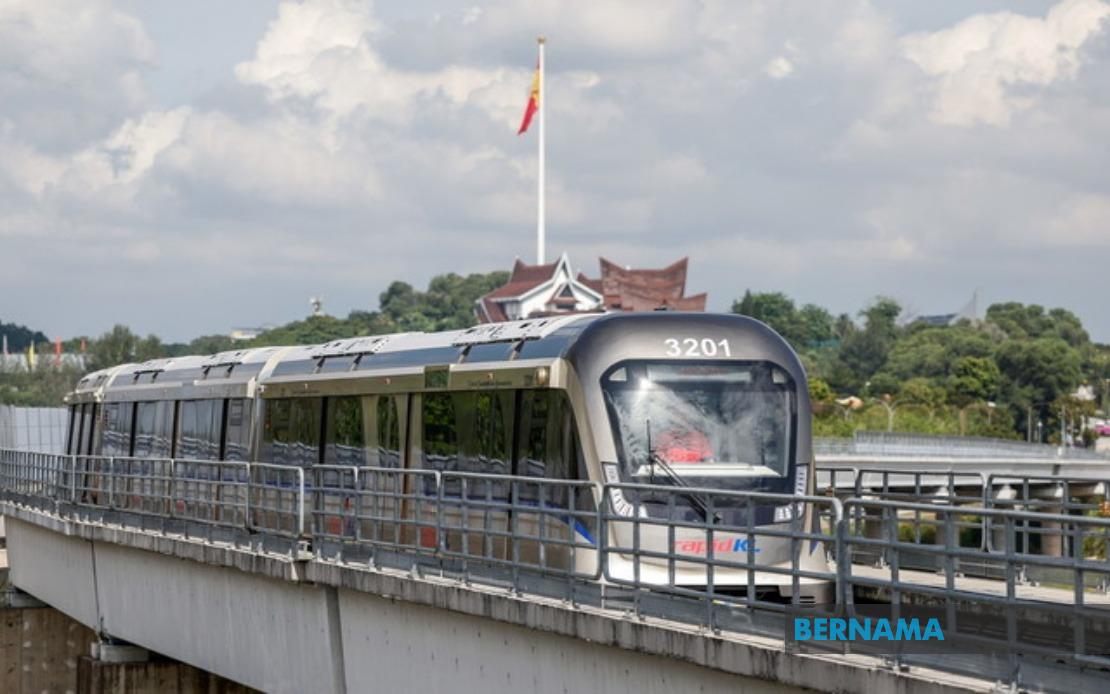
Prime Minister Datuk Seri Anwar Ibrahim will officiate the opening of the Light Rail Transit 3 (LRT3) Shah Alam Line on Sunday, June 28, marking the culmination of a major infrastructure project designed to transform public transport connectivity in the Selangor corridor. The 37.8-kilometre line, stretching from Bandar Utama to Johan Setia, has completed construction and stands ready to commence passenger operations, with the Prime Minister expected to announce the commercial service commencement date during the ceremony.
The anticipated launch represents a watershed moment for the Greater Kuala Lumpur and Klang Valley regions, where approximately two million residents inhabit areas adjacent to the transit corridor. Shah Alam line chief Mohd Ariffin Idris underscored the significance of the project during a recent pre-opening media tour, noting that the infrastructure will fundamentally reshape how commuters navigate the western suburbs and industrial zones that currently rely heavily on private vehicles. The route encompasses 20 stations strategically positioned to serve residential clusters, commercial hubs, and institutional centres throughout Shah Alam and surrounding municipal areas.
The station network has been meticulously designed to capture diverse travel demand patterns. The ten stations serving the northern corridor include Bandar Utama, which functions as a crucial interchange point with both the Kajang Line and future onward connections, alongside Kayu Ara, BU 11, Damansara Idaman, Subang, Glenmarie 2, Kerjaya, Stadium Shah Alam, Dato' Menteri, and UiTM Shah Alam. The southern segment comprises Seksyen 7 Shah Alam, Bandar Baru Klang, Pasar Klang, Jalan Meru, Jambatan Kota, Taman Selatan, Seri Andalas, Klang Jaya, Bandar Bukit Tinggi, and Johan Setia, collectively addressing the mobility requirements of industrial workers, shoppers, students, and daily commuters throughout the Klang conurbation.
Integration with existing rail and rapid bus networks forms a cornerstone of the operational strategy, recognising that successful transit development demands seamless connectivity across multiple modes. Passengers utilising Glenmarie 2 station will access transfers to the Kelana Jaya Line, while Bandar Utama serves as the primary interchange facilitating onward journeys via the Kajang Line. This layered approach acknowledges that few commuters undertake single-mode journeys in contemporary urban environments, and comprehensive network design must accommodate multi-leg itineraries from suburban origins to central employment and commercial destinations.
First-mile and last-mile connectivity obstacles, which frequently undermine the effectiveness of trunk transit infrastructure, have been addressed through a coordinated feeder transport ecosystem. Prasarana has implemented 40 dedicated feeder buses operating across 13 distinct routes with 323 total stops, each priced at merely RM1 per journey and functioning from 6 am through 11.30 pm daily. Complementing this bus network are 44 Rapid On-Demand vans distributed across 20 service zones at RM2 per trip during identical operating hours, providing flexible alternatives for travellers whose origins or destinations lie beyond conventional route-based service areas. Importantly, Mohd Ariffin indicated that these complementary services will undergo continuous refinement based on observed commuter behaviour and emerging travel patterns once commercial operations commence.
Vehicle parking provisions have been positioned at six strategically selected stations totalling 2,300 bays, acknowledging that a substantial proportion of Shah Alam's workforce and shoppers will continue utilising private vehicles for some journey segments. The availability of 2,300 parking spaces distributed across Kayu Ara, Damansara Idaman, Pasar Besar Klang, Sri Andalas, Bandar Bukit Tinggi, and Johan Setia represents an essential accommodation for the transition period as commuter habits evolve and public confidence in the new service matures. This strategic positioning at primary nodal points rather than all stations reflects contemporary best practices favouring park-and-ride facilities at corridor termini and major interchange locations.
Operational demand projections reflect cautious optimism tempered by realistic recognition of the market development trajectory typical for new transit corridors. Prasarana forecasts capturing 67,000 daily passengers during the initial service year, escalating to 117,708 daily boardings within five years as route awareness increases, service reliability becomes established, and urban development patterns intensify around station precincts. These projection levels suggest expectations of near-doubling passenger volumes, driven partly by natural urban growth in the Shah Alam and Klang areas and partly by modal shift as commuters gain experience and confidence with the new LRT infrastructure.
Sustainability considerations have been thoroughly embedded within the project's operational design philosophy. The light rail vehicles incorporate inverter-based air conditioning technology that significantly reduces energy consumption relative to conventional systems, while stations feature sophisticated smart cooling arrangements that leverage natural ventilation patterns and architectural orientation to minimise mechanical conditioning requirements. Station architecture has been deliberately conceived to maximise daylight penetration and ambient airflow, reducing dependency on artificial lighting and cooling throughout extended operational hours and contributing to both environmental objectives and user experience quality through naturally ventilated environments.
Accessibility and inclusive design principles have received equivalent attention, reflecting evolving Malaysian standards for public infrastructure. All 20 stations incorporate ramps meeting wheelchair user requirements, while disability-compliant toilet facilities have been integrated within each station precinct. Every carriage includes reserved seating designated for persons with disabilities, acknowledging both legal obligations and practical recognition that accessible transport represents a fundamental component of equitable urban mobility systems. These provisions extend beyond statutory compliance, instead reflecting conscious efforts to ensure that transit infrastructure serves all population segments regardless of mobility challenges.
Looking beyond the immediate launch, Prasarana has committed to reconstructing five additional stations currently scheduled for completion. The Tropicana, Raja Muda, Temasya, Bukit Raja, and Bandar Botanik stations will undergo reconstruction works commencing by year-end 2024, indicating a phased expansion strategy that will further extend the line's reach and coverage once these facilities come online. This staged development approach acknowledges construction complexity and budget sequencing while maintaining momentum toward a comprehensive metropolitan transit network.
The Shah Alam Line's inauguration arrives at a pivotal juncture for Malaysian urban transport policy. With continued rapid metropolitan expansion throughout the Klang Valley and persistent congestion on key road corridors, the LRT3 project demonstrates sustained commitment to rail-based alternatives despite previous project delays and cost escalations that characterised earlier transit development phases. The line's completion and imminent opening provide tangible evidence that large-scale transit infrastructure delivery remains achievable within Malaysia, establishing essential momentum for subsequent corridor development and signalling to international investors and urban planners that long-term transit commitments command political and institutional backing.
For Malaysian commuters and the broader Southeast Asian transit community, the Shah Alam Line represents instructive lessons regarding integrated transport ecosystem design, accessibility standards, and realistic demand forecasting for emerging transit corridors. The emphasis on coordinated feeder services, parking integration, and phased network expansion reflects mature planning approaches increasingly adopted across the region as metropolitan areas grapple with congestion and air quality challenges. As commercial operations commence, the project will generate operational performance data and user experience insights relevant to subsequent Malaysian transit initiatives and comparable urban systems throughout Southeast Asia navigating analogous mobility pressures.

