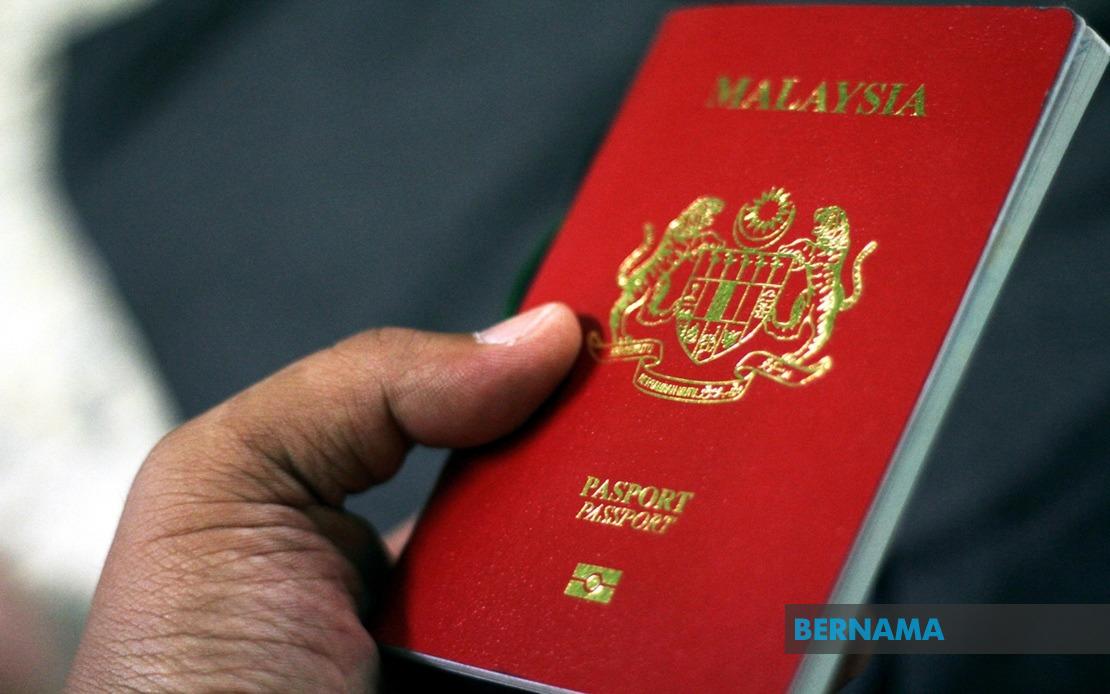
Prime Minister Datuk Seri Anwar Ibrahim will introduce the redesigned Malaysian International Passport at the Parliament lobby on Tuesday, marking a significant step forward in the nation's efforts to combat identity document fraud. The new travel document incorporates 94 distinct security features, nearly doubling the safeguards present in the current version, which contains only 49 protective elements. This upgrade represents a tangible commitment to fortifying Malaysia's identity security infrastructure at a time when document forgery and identity theft pose persistent challenges to border security and national safety.
The expansion from 49 to 94 security features reflects the government's recognition that modern threats require proportionally sophisticated countermeasures. Malaysian authorities have worked to incorporate multiple layers of protection that make replication increasingly impractical for would-be forgers. The psychological deterrent effect of such complexity cannot be overlooked—the simple knowledge that a document contains an exceptionally high number of security elements often discourages sophisticated criminal attempts before they begin. This technical escalation also positions Malaysia competitively within the international travel document ecosystem, where security standards continue to evolve in response to emerging threats.
Among the new protective mechanisms are advanced holographic elements that shift colour and create three-dimensional effects when the passport is rotated. These innovations leverage sophisticated optical technology that requires specialised equipment to reproduce convincingly. Complementing these visual protections are ultraviolet (UV) printing techniques, wherein specific patterns and images become visible only under ultraviolet light—a feature that border officials and immigration authorities can quickly verify during routine document inspection. The integration of hidden visual elements further complicates duplication efforts, as these concealed features remain invisible to ordinary observation yet serve as verification checkpoints for trained security personnel.
Specialised forensic security features have been embedded throughout the document to assist investigators and border security officials in authenticating passports with certainty. These forensic markers are designed to withstand scrutiny and remain effective even after prolonged use or exposure to environmental factors. The enhanced security extends to the binding thread that holds the passport booklet together, which has been upgraded with protective characteristics that make tampering more readily detectable. Each page within the new passport employs a distinct layout design, preventing counterfeiters from simply reproducing uniform pages and assembling them into fraudulent documents. This page-specific approach introduces variability that complicates mass production of fake passports.
The announcement builds upon earlier commitments made by Home Minister Datuk Seri Saifuddin Nasution Ismail, who revealed earlier this year that Malaysia would undertake comprehensive redesigns of both the Malaysian International Passport and MyKad national identification card. These parallel initiatives indicate a whole-of-government approach to data security and identity protection. The simultaneous modernisation of multiple identity documents suggests that authorities recognise the interconnected nature of document security—improvements to one identity instrument support the integrity of the entire identity ecosystem. For Malaysian citizens, this means that their primary travel and identification documents will eventually reflect consistent, world-class security standards.
Malaysia's diplomatic standing receives tangible reinforcement through these security enhancements. The Malaysian International Passport currently ranks as the world's third most powerful passport according to the Passport Index 2025 rankings, a distinction based on the countries to which Malaysian passport holders enjoy visa-free or visa-on-arrival access. While the security feature upgrade does not directly affect visa access, robust document security indirectly strengthens Malaysia's reputation as a nation that takes identity verification seriously. International partners and destination countries are more confident accepting Malaysian travel documents when they know those documents incorporate cutting-edge anti-fraud technology. This confidence can facilitate smoother border crossings and reduce processing times for Malaysian travellers globally.
The timing of this launch carries additional significance for Southeast Asian regional dynamics. As travel patterns across the region intensify and cross-border mobility increases, the security standards of identity documents become increasingly consequential. Neighbouring countries and regional partners take note when one nation implements advanced security measures, often prompting similar upgrades across the region. By launching an advanced passport, Malaysia potentially establishes a benchmark that influences security standards throughout Southeast Asia. The move also addresses practical concerns for Malaysian businesses and professionals who depend on efficient international travel. Enhanced passport security reduces the risk of identity fraud that could disrupt travel plans or create diplomatic complications.
The government's continuous investment in identity document security reflects lessons learned from global experience with document fraud and identity theft. International criminal networks and organised syndicates have historically targeted identity documents as high-value targets, since fraudulent passports enable a wide range of unlawful activities from human trafficking to money laundering. By implementing sophisticated security features, Malaysian authorities raise the technical and financial barriers to successful forgery, making legitimate document production more economically competitive relative to counterfeiting. This economic calculus matters considerably in border security strategy—forcing criminals to invest substantially more resources in forging documents makes fewer criminal schemes financially viable.
The practical implications for Malaysian citizens and residents extend beyond symbolic reassurance. Travellers carrying the new passport will benefit from faster verification procedures at international airports, as immigration officers can more readily authenticate documents using standard equipment. The reduction in authentication time translates to shorter queues and smoother passage through immigration. For business travellers and frequent international commuters, such efficiency gains accumulate into meaningful time savings across numerous journeys. Malaysian expatriates living abroad gain additional confidence that their identity documents will withstand scrutiny in any jurisdiction they visit.
Looking forward, the security feature enhancements set a foundation for potential future integration of digital elements. Many advanced passports globally now incorporate biometric data and machine-readable information that can be verified electronically. Malaysia's leap to 94 physical security features positions the nation well for eventual digital security integration, creating a multi-layered verification system that combines physical and electronic checks. This layered approach represents the contemporary standard for high-security travel documents and reflects Malaysia's commitment to maintaining international competitive parity in identity document security.
The launch on Tuesday serves as a public affirmation that the government prioritises the security and safety of Malaysian citizens. By personally introducing the new passport, Prime Minister Anwar Ibrahim signals executive commitment to this modernisation initiative. The symbolic importance of a high-level launch should not be underestimated—it communicates to both the Malaysian public and the international community that identity document security ranks among the government's substantive priorities rather than being relegated to routine administrative activity.
For immigration officials and border security personnel, the new passport specifications will require training updates to ensure they understand the location and verification procedures for all 94 security features. The government's implementation strategy will necessarily include comprehensive briefings for relevant authorities at airports, seaports, and land borders. This training dimension represents a hidden but substantial cost and effort component of the passport upgrade—technical innovation requires corresponding investment in human capacity and knowledge systems.

