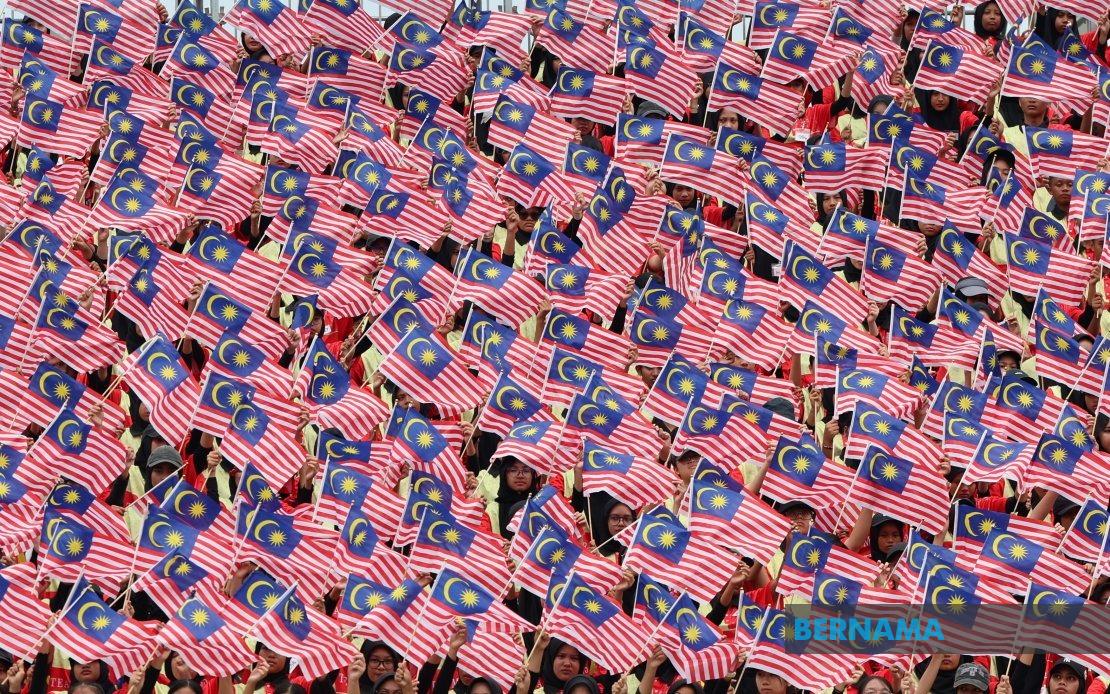
The Perak state government will host the official launch of the 2026 National Month and Fly the Jalur Gemilang Campaign at the Sultan Azlan Shah Institute of Health Training (ILKKM SAS) in Tanjung Rambutan on July 19, with Prime Minister Datuk Seri Anwar Ibrahim presiding over the ceremony. The event is anticipated to bring together approximately 3,000 participants, including members of the MADANI Community, trainees, and staff members of the institute.
Although attendance will be capped at the venue, the organisers have ensured that Malaysians across the country can participate in the spirit of the occasion through multiple broadcasting channels. The ceremony will be streamed live on Radio Televisyen Malaysia (RTM) and the Malaysian National News Agency (Bernama) television platforms, while simultaneous coverage will be available on the official Facebook pages of the Ministry of Communications and the Department of Information Malaysia (JAPEN). This approach reflects an effort to democratise access to the national celebration beyond the physical confines of the Ipoh gathering.
The government has launched a dedicated digital portal to consolidate information surrounding the National Day and Malaysia Day 2026 celebrations. The Merdeka360 Portal, administered by JAPEN under the Ministry of Communications, serves as a centralised hub for citizens seeking official, verified, and current details regarding the festivities. The creation of such a platform underscores the administration's commitment to transparent communication and ensuring that accurate information reaches the public during this significant period.
Central to the campaign is the "1 Rumah 1 Jalur Gemilang" initiative, which encourages households across the nation to display the Malaysian flag as a tangible expression of patriotism and national pride. Perak State Government Corporate Division Principal Assistant Secretary Anita Amri has appealed to the public to participate actively in this symbolic gesture, purchasing flags and prominently displaying them at residences, workplaces, and vehicles. The widespread flying of the national flag transforms ordinary suburban streets and urban centres into visible expressions of collective identity during this patriotic season.
However, the campaign includes an important caveat regarding flag maintenance and presentation. Anita has emphasised that citizens should ensure their flags remain in pristine condition, avoiding the display of worn, faded, or torn banners that would diminish the dignity of the national symbol. This guidance reflects a broader understanding that patriotism encompasses not merely the act of displaying the flag, but maintaining it with the respect and reverence it deserves. Citizens are encouraged to replace damaged flags rather than tolerating their deterioration in public spaces.
Beyond individual household actions, the government is leveraging social media to amplify the patriotic message and create a ripple effect throughout communities. Anita has encouraged Malaysians to utilise digital platforms to share images and narratives of flag displays, transforming personal acts into collective manifestations of national spirit. This strategy recognises the power of social networks in contemporary society, where peer endorsement and visible participation encourage broader adoption of civic behaviours. Family members, friends, neighbours, and wider community networks are identified as influential vectors through which patriotic sentiment can spread organically.
The thematic orientation for this year's celebrations carries particular significance. Communications Minister Datuk Seri Fahmi Fadzil announced that "Malaysia MADANI: Kesejahteraan Dinikmati" (Malaysia MADANI: Shared Prosperity) has been selected as the overarching theme for the national festivities. This choice emphasises inclusive economic wellbeing and equitable development as central to Malaysia's national identity during this period. The Malaysia MADANI logo, which debuted in recent years, will persist as the official symbol for celebrations through 2026, ensuring visual consistency in branding and messaging across the extended period.
The scale of the 2026 National Day celebration itself reflects a deliberate policy choice by the government. Rather than mounting an elaborate spectacle, organisers have opted for a modest yet vibrant gathering at Dataran Putrajaya on August 31. This measured approach suggests a preference for meaningful, community-centred observance over costly ceremonial grandeur. The decision carries implications for both budgetary considerations and the accessibility of celebrations to ordinary Malaysians, many of whom may find more intimate gatherings more conducive to genuine patriotic reflection than massive state-orchestrated events.
For Malaysian readers, the campaign represents a coordinated effort spanning federal and state levels to reinvigorate national consciousness during a significant constitutional milestone. The emphasis on grassroots participation through household flag displays and social media sharing reflects contemporary approaches to civic engagement that prioritise distributed, voluntary action over top-down mandates. Meanwhile, the provision of multiple broadcast channels and digital platforms acknowledges the diversity of media consumption patterns across Malaysian society, from traditional television audiences to digitally native communities.
The Ipoh launch event carries particular resonance for Perak, a state with deep historical connections to Malaysia's struggle for independence and early post-colonial development. Holding the campaign inauguration in the state capital rather than exclusively in Kuala Lumpur signals an intentional effort to distribute national celebrations geographically and to acknowledge regional contributions to national identity. This dispersed approach contrasts with the historical tendency to concentrate major ceremonial events in the federal capital, potentially reinforcing perceptions of national ownership across diverse populations throughout the peninsula.
For Southeast Asian observers, Malaysia's approach to managing national day celebrations during the MADANI period reflects broader regional trends toward inclusive governance rhetoric and community participation frameworks. The integration of digital platforms, community ambassadors, and distributed celebration sites mirrors strategies employed across the ASEAN region to foster national cohesion in increasingly diverse, urbanised societies. The campaign's emphasis on prosperity and shared wellbeing as patriotic values positions patriotism not as ethnic or religious nationalism, but as civic commitment to collective advancement.

