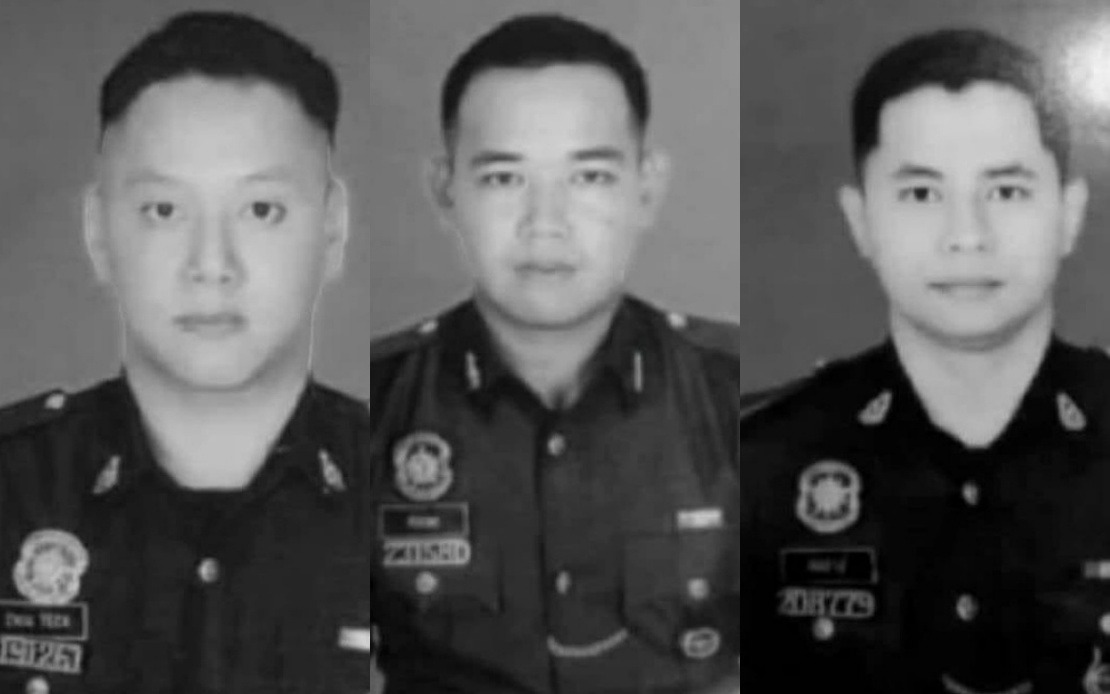
Prime Minister Datuk Seri Anwar Ibrahim has directed authorities to conduct a thorough and transparent investigation into the death of three Royal Malaysia Police officers in Kampung Weston, Beaufort, Sabah, believed to have resulted from electrocution. The directive underscores the government's commitment to understanding the circumstances surrounding the tragedy and implementing systemic improvements to prevent similar incidents across the nation's uniformed services.
In a statement posted on social media, Anwar emphasised the critical importance of establishing the precise cause of the fatal incident. He stressed that the investigation must be conducted swiftly and with full transparency to maintain public confidence in the authorities' handling of such serious matters. The Prime Minister's intervention at the highest level signals the gravity with which the government views workplace safety and the protection of personnel in hazardous operational environments.
Anwar pledged that corrective measures would be implemented following the investigation's conclusions. This commitment extends beyond mere fact-finding; it reflects recognition that the tragic loss of three officers demands concrete action to strengthen safety protocols and working conditions within the police force. The emphasis on preventive measures suggests the government views this as an opportunity to overhaul procedures that may have contributed to the incident.
The three deceased officers have been identified as Chiu Teck Siong, 40; Mohamad Nur Hafiz Ibrahim, 29; and Muhammad Raimi Ismarubee, 26. The deaths represent a devastating loss to their families and colleagues, who served alongside them in the force. The ages of the victims—ranging from young recruits to mid-career personnel—underscore the unpredictable nature of workplace hazards that can affect officers regardless of experience level.
In his statement, Anwar extended formal condolences to the families of the deceased and to the broader police force, acknowledging their sacrifice in maintaining national security and public order. He recognised that the officers' service and commitment to their duty would be remembered as a lasting contribution to the nation's stability. This recognition carries particular weight given Malaysia's ongoing need to maintain strong security frameworks across its diverse geography.
The incident gained widespread attention through social media, with multiple video recordings circulating online showing the three officers collapsed on the roadside. The viral spread of these videos underscores the immediate public awareness of the tragedy and the role digital platforms play in disseminating information about incidents involving uniformed personnel. This digital footprint will likely assist investigators in gathering evidence and establishing a comprehensive timeline of events.
According to preliminary information released by the Operations Centre of the Sabah Fire and Rescue Department, electrocution is the suspected cause of death. The working hypothesis suggests exposure to live electrical current in circumstances that require urgent clarification. Understanding whether this resulted from faulty equipment, inadequate safety measures, or environmental factors will be central to the investigation and subsequent remedial actions.
The incident raises broader questions about workplace safety standards for Malaysian police personnel, particularly in operational contexts where officers may encounter electrical hazards. Sabah's geographic and infrastructural characteristics may present unique challenges in this regard, necessitating tailored safety protocols appropriate to the region's specific conditions. The investigation may prompt a nationwide review of safety procedures across all police stations and operational areas.
For Southeast Asian observers, the incident highlights the occupational risks faced by law enforcement personnel across the region and the importance of institutional responses that prioritise both accountability and prevention. Malaysia's approach, led by Prime Minister Anwar's personal direction, demonstrates how high-level political engagement can shape investigations into sensitive matters involving security forces. The emphasis on transparency and corrective action may set precedents for how similar incidents are handled throughout the region's policing structures.

