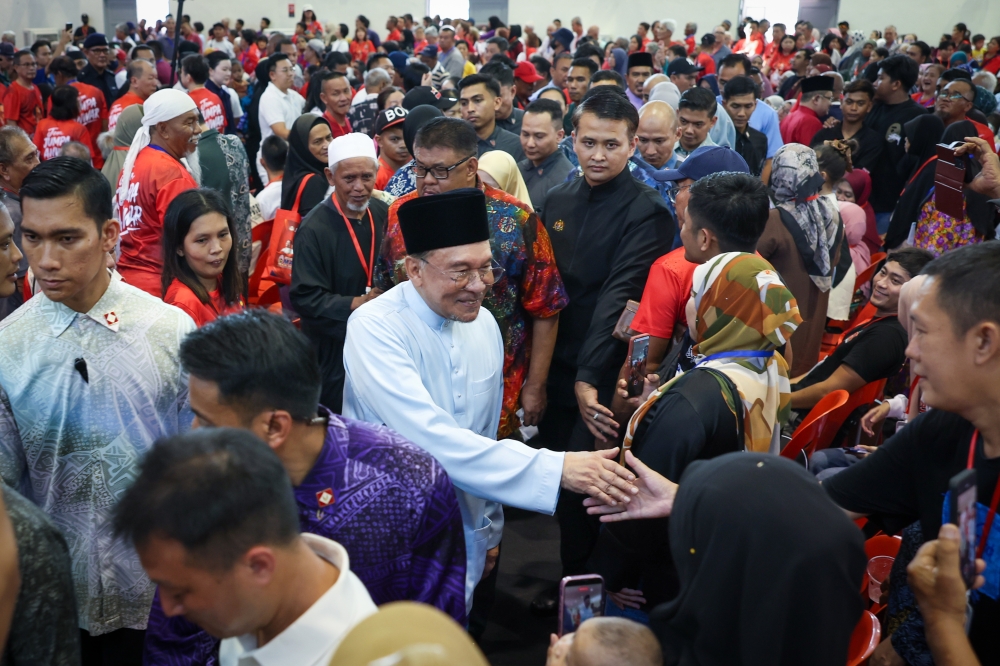
Prime Minister Datuk Seri Anwar Ibrahim has been admitted to a private medical facility for a scheduled two-day specialist observation period, during which he will undergo comprehensive medical examinations and procedures, the Prime Minister's Office announced today. The assessment marks a routine medical evaluation for the nation's leader, with healthcare specialists conducting detailed checks as part of the Prime Minister's regular health monitoring regime.
The decision to conduct the observation period reflects standard practice for senior government officials, ensuring that occupants of the highest constitutional office maintain documented medical wellness. Such preventive health assessments are customary internationally among heads of state and government, designed to maintain comprehensive records of physical condition and address any health concerns proactively. The two-day timeframe suggests a thorough battery of diagnostic tests rather than emergency medical intervention.
The admission comes at a time when Malaysia's political landscape continues navigating substantial domestic challenges, from economic management to legislative priorities in Parliament. The Prime Minister's Office provided no indication that the medical checks stem from any acute health crisis, positioning the matter as part of scheduled preventive care protocols. This distinction carries significance for market confidence and government continuity assurance, as investors and trading partners monitor stability in executive leadership.
Specialist observation periods typically encompass cardiovascular assessments, comprehensive blood work, imaging studies, and consultations across multiple medical disciplines depending on individual health profiles and age-related screening protocols. The structured two-day duration allows physicians to conduct baseline testing and monitoring while facilitating specialist reviews of findings. For a national leader, such assessments serve dual purposes: maintaining personal health records and providing institutional assurance regarding fitness for the demanding responsibilities of high office.
The timing and nature of medical procedures for senior political figures often carry secondary implications for governance, as government operations require clarity regarding executive availability and decision-making capacity. Malaysian constitutional frameworks presently establish succession protocols should the Prime Minister require temporary incapacity periods, though routine medical checks typically involve only brief institutional adjustments. The PMO's transparent confirmation of the observation period itself demonstrates efforts to maintain public confidence through straightforward communication rather than generating speculation through silence.
Regionally, the disclosure follows international norms where leading democracies regularly disclose health-related information about chief executives. Singapore's Prime Minister Lee Hsien Loong and other regional leaders maintain similar transparency regarding medical matters, recognizing that institutional credibility depends partly upon open governance regarding matters affecting continuity. Malaysia's approach aligns with regional democratic standards whilst respecting personal privacy boundaries where legitimate confidentiality intersects with public interest in leadership stability.
The Prime Minister's Office statement provides institutional assurance without extensive detail regarding specific medical findings or procedures, balancing transparency with appropriate privacy protections. This measured approach prevents unnecessary market volatility whilst fulfilling governmental accountability toward the Malaysian public and international stakeholders. Market analysts monitoring government bonds and currency movements typically respond reassuringly to such clear communication regarding executive health, as uncertainty generates greater concern than disclosed information about routine medical care.
From a domestic perspective, the announcement occurs amid Anwar Ibrahim's ongoing efforts to advance legislative agendas within the complex multi-ethnic political consensus that characterizes Malaysian governance. The specialist assessment period provides opportunity for recovery and rest whilst Parliament operates under established procedures during executive absence. Such absences occur routinely without material disruption to governmental functioning, though senior officials maintain briefing procedures ensuring the Prime Minister remains informed regarding critical developments during the observation period.
International observers tracking Malaysian political developments note that transparent health disclosures contribute toward international confidence in institutional stability. Foreign investors evaluating regulatory environments and governance quality factor leadership stability into long-term strategic planning. The PMO's straightforward communication regarding the medical observation therefore extends beyond domestic political circles, reinforcing Malaysia's institutional credibility within international business and diplomatic communities that value predictable governance frameworks.
The two-day timeframe suggests the assessment will conclude promptly, returning the Prime Minister to full executive engagement thereafter. Such predictable scheduling allows government ministries and parliamentary leadership to coordinate activities accordingly, minimizing disruption to policy implementation and legislative timetables. The Prime Minister's Office commitment to transparent communication regarding the observation period demonstrates institutional maturity in managing leadership transitions and medical requirements within democratic governance structures that demand both accountability and appropriate privacy protections for senior officials.

