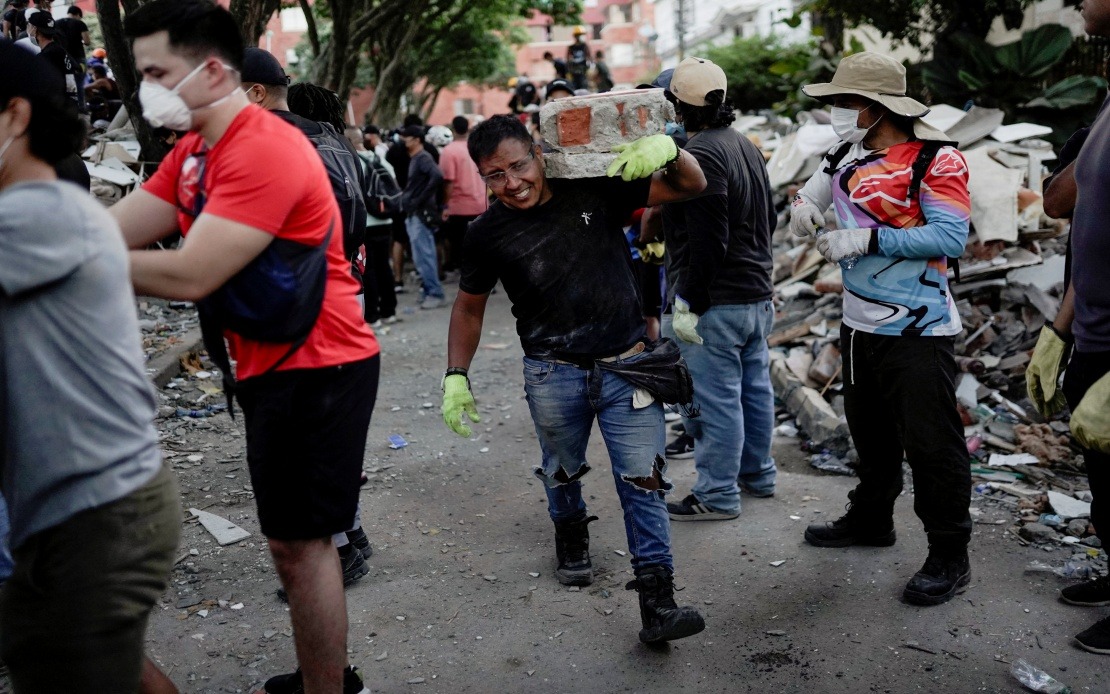
Prime Minister Datuk Seri Anwar Ibrahim has expressed Malaysia's heartfelt condolences to the victims and families affected by the severe earthquake that devastated western Colombia, reaffirming the nation's commitment to international humanitarian principles during times of crisis. Through a social media statement, Anwar articulated Malaysia's unwavering support for the Colombian people as rescue and recovery operations continue across multiple affected zones, underscoring the shared values that bind diverse nations during catastrophic disasters.
The earthquake, registering 7.4 on the magnitude scale, struck western Colombia on Monday and ranks among the most powerful seismic events the country has experienced in recent decades. The tremor's epicentre was located in the Chocó region, a geographically challenging area that complicated initial rescue operations. The disaster's devastating impact reverberated across several major population centres, including Cali, Pereira and Manizales, each experiencing significant structural damage and humanitarian consequences that will require sustained international assistance and coordination.
Casualty figures from the earthquake have exceeded 100 deaths, with authorities acknowledging that the toll may rise as rescue teams navigate through rubble and assess damage in remote and difficult-to-reach communities. The widespread destruction encompasses residential buildings, commercial infrastructure, and critical facilities, leaving thousands displaced and requiring immediate humanitarian intervention. Beyond the immediate loss of life, the earthquake's aftermath has triggered successive aftershocks that continue to endanger survivors, hamper rescue operations, and create psychological trauma across affected populations.
In his official statement, Anwar emphasised Malaysia's broader commitment to standing alongside Colombia during this unprecedented challenge. The Prime Minister specifically recognised the extraordinary efforts of rescue workers and volunteers who operate under hazardous conditions, including ongoing seismic aftershocks that threaten their safety. This acknowledgment reflects Malaysia's understanding of the personal sacrifices made by first responders and community volunteers who prioritise saving lives despite facing substantial risks to their own security.
The Malaysian government's response extends beyond conventional diplomatic messaging to encompass prayers for the injured and missing persons, reflecting the nation's multicultural and multifaith approach to international humanitarian concerns. This inclusive posture demonstrates Malaysia's capacity to transcend religious and cultural boundaries when addressing universal human suffering. The statement's framing—emphasising collective suffering and shared humanity—resonates with Malaysia's historical approach to foreign relations and disaster response, where compassion supersedes political or ideological considerations.
For Malaysia and other Southeast Asian nations, earthquakes represent a persistent vulnerability, given the region's location within the Pacific Ring of Fire and the Indian Ocean seismic zone. The Colombia disaster serves as a sobering reminder of the seismic hazards that threaten densely populated areas across Southeast Asia, including Indonesia, the Philippines, and Malaysia itself. By publicly engaging with Colombia's crisis, Malaysia reinforces regional consciousness about earthquake preparedness and the necessity for robust disaster management infrastructure and cross-border collaboration frameworks.
The international dimension of Malaysia's response carries significance beyond ceremonial gestures. As a developing nation with substantial experience managing natural disasters, Malaysia possesses technical expertise and humanitarian resources that could potentially contribute to Colombian recovery efforts if requested through appropriate diplomatic channels. The statement's reference to joining the international community signals Malaysia's willingness to participate in broader coordinated responses that might encompass financial assistance, technical expertise sharing, or medical support for injured survivors.
The timing and substance of Malaysia's formal expression of solidarity also reflect contemporary diplomatic practice, where social media platforms enable immediate and direct communication between national leaders. This shift from traditional state-to-state communications has democratised expressions of sympathy while simultaneously broadening their audience beyond governmental circles. For Malaysian citizens, such statements reinforce the nation's standing as a responsible and compassionate member of the international community, contributing to Malaysia's soft power and diplomatic credibility.
Looking forward, the Colombia earthquake underscores the imperative for sustained international engagement throughout the reconstruction phase, which typically extends years beyond initial disaster response. Early expressions of solidarity, such as those articulated by Anwar, establish frameworks for longer-term cooperation and assistance. Malaysia's involvement—whether through direct aid, technical cooperation, or diplomatic support for international relief initiatives—will contribute to demonstrating Southeast Asian solidarity with Latin American nations and reinforcing the importance of cross-continental humanitarian networks.
The disaster also prompts reflection on Malaysia's own earthquake resilience and preparedness strategies, particularly in seismically vulnerable zones such as Sabah and the Straits of Malacca region. By engaging with Colombia's experience, Malaysian policymakers and disaster management authorities gain valuable insights into how sophisticated engineering, early warning systems, and community education can mitigate earthquake impacts. These lessons, adapted to Malaysian geographical and demographic contexts, strengthen the nation's long-term disaster preparedness and resilience frameworks.

