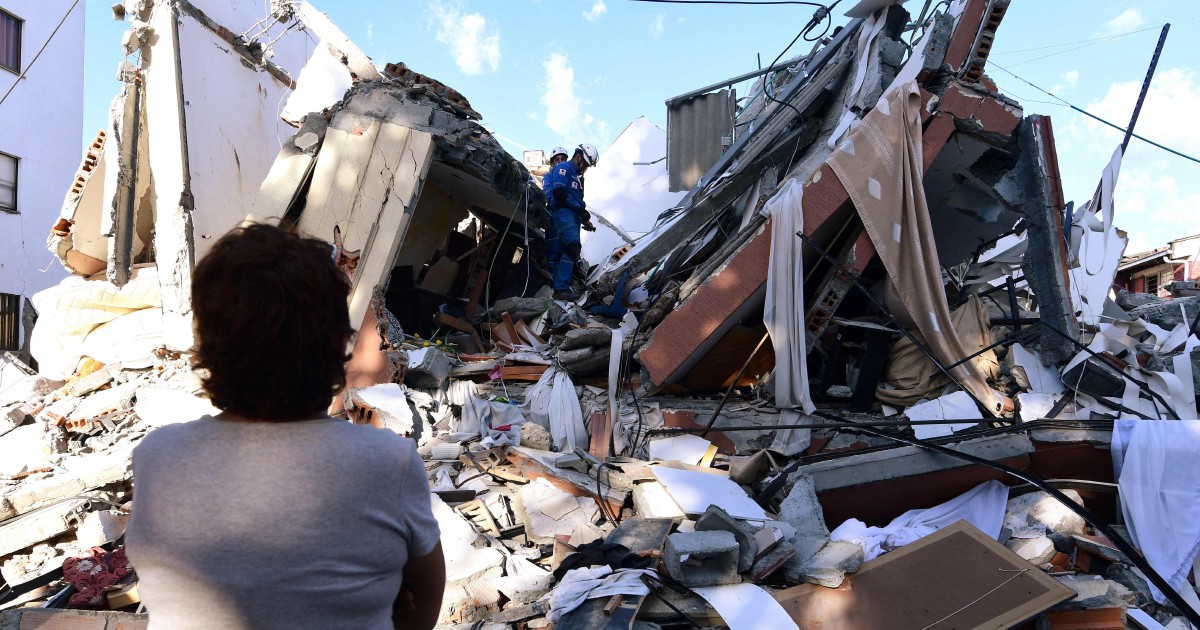
Prime Minister Datuk Seri Anwar Ibrahim has reached out to express his deepest condolences to the people of Colombia following a powerful earthquake that devastated parts of the country's western region. The gesture reflects Malaysia's commitment to standing alongside nations experiencing natural disasters and demonstrates the government's humanitarian approach to international relations during times of crisis.
Natural disasters of this magnitude often trigger immediate diplomatic responses from governments worldwide, as they represent moments when the global community can demonstrate solidarity and compassion. For Malaysia, maintaining strong relationships with Latin American nations has become increasingly important in recent years as the government seeks to diversify its international partnerships and expand cooperation beyond traditional regional boundaries in Southeast Asia.
The earthquake that struck Colombia represents the kind of seismic event that can cause significant structural damage and loss of life, particularly in regions where building codes may not be robust enough to withstand major tremors. Western Colombia, lying along the Pacific Ring of Fire and in proximity to major tectonic plates, remains vulnerable to such natural disasters. The impact on infrastructure, displacement of residents, and psychological trauma to survivors are concerns that typically accompany such catastrophic events.
Prime ministerial condolences serve multiple purposes in international diplomacy. Beyond the expression of sympathy, they signal a country's willingness to potentially provide humanitarian aid, relief assistance, or other forms of support. Malaysia, as a developing nation that has itself experienced various natural disasters including earthquakes and tsunamis, understands the complexities involved in disaster response and recovery operations.
The timing of such diplomatic gestures is important, as immediate expressions of solidarity can pave the way for more concrete assistance. Malaysian agencies, including the Malaysian Red Crescent Society and relevant government departments, may be prepared to mobilise resources or coordinate with international relief organisations if the Colombian government requests assistance. This represents a practical dimension of the condolences extended at the governmental level.
Colombia's disaster response capabilities will be tested in the coming days and weeks as authorities assess damage, conduct search and rescue operations, and begin planning reconstruction efforts. The country's experience with various natural hazards means it likely has established protocols for such emergencies, though the scale of any particular event can still overwhelm even well-prepared systems.
For Malaysian citizens and regional observers, earthquakes in Colombia carry educational value regarding seismic preparedness. Southeast Asia, particularly countries like Indonesia, Malaysia, and the Philippines, sits in earthquake-prone zones, and studying how other nations respond to such events can inform local disaster management strategies. The experience and lessons learned from international responses become valuable knowledge that can improve regional resilience.
The expression of condolences from Malaysia also reflects broader principles embedded in Malaysian foreign policy, which emphasises dialogue, cooperation, and humanitarian values. Rather than limiting diplomatic engagement to trade partnerships or political alignments, Malaysia positions itself as a responsible member of the international community that acknowledges shared human suffering across borders and cultural differences.
Colombia, as a significant Latin American economy and strategic nation, has been developing closer ties with several Asian countries in recent years. Malaysia's gesture of support during a difficult period strengthens the bilateral relationship and may create opportunities for future cooperation in various fields including trade, education, and cultural exchange. Disaster response often leads to deeper diplomatic connections once immediate crises have passed.
The broader context of climate change and increasing earthquake frequency in various regions means that expressions of international solidarity during natural disasters are becoming more common and more essential. Countries recognising their shared vulnerability to natural hazards are better positioned to develop collaborative frameworks for disaster preparedness, early warning systems, and recovery coordination.
As Colombia mobilises its resources and receives support from the international community, Prime Minister Anwar's condolences represent Malaysia's position as a nation concerned with global welfare and ready to contribute to international humanitarian efforts. Whether through material aid or diplomatic support, such gestures underscore the interconnectedness of the modern world and the responsibility nations have toward one another during moments of crisis.

